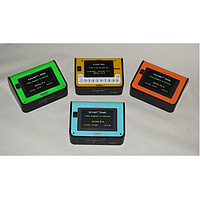
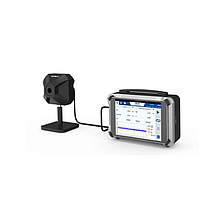
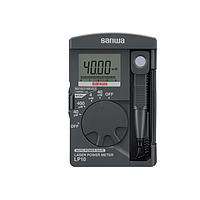
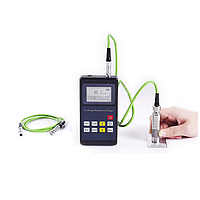
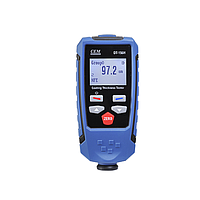
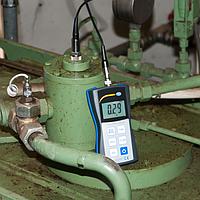
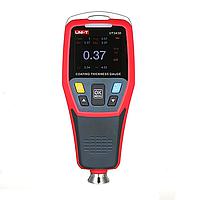
Specialty Meters Inspection Service
When measurement tools are used for quality control, maintenance, compliance, or field verification, confidence in the reading matters as much as the device itself. This is where Specialty Meters Inspection Service becomes important: it helps verify that specialized instruments are functioning properly, responding consistently, and remaining suitable for day-to-day technical use.
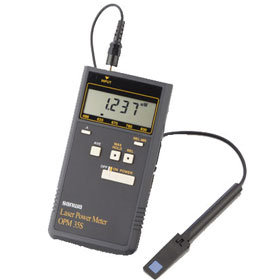
Unlike general-purpose electrical meters, specialty instruments often serve very specific tasks such as color checking, vibration analysis, flow verification, adhesion testing, metal detection, or timing control. Because these tools are applied in very different environments, inspection needs to focus not only on basic operation but also on the practical condition of the instrument within its intended application.
Why inspection matters for specialty instruments
Specialty meters are typically selected because a standard meter cannot provide the required measurement method or application-specific function. In production lines, laboratories, utilities, maintenance work, coating inspection, or material handling, these devices support decisions that can affect product quality, process stability, and operational safety.
Regular inspection helps identify drift, wear, sensor issues, display or input problems, and general performance concerns before they create larger downstream errors. For companies managing a mixed fleet of instruments, this service also supports better traceability and more consistent equipment control across departments.
Typical equipment covered in this category
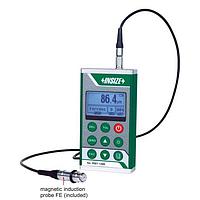
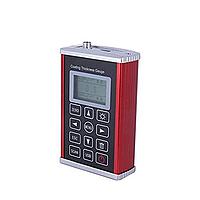
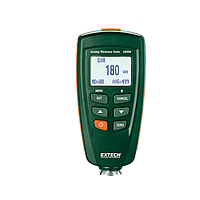
This category is designed for instruments that fall outside conventional electrical test equipment or basic dimensional tools. In practice, that can include devices used for color and appearance control, vibration and motion assessment, coating and adhesion work, fluid measurement, metal detection, and timing-related verification.
Examples from this category include the MINELAB Metal Detector Inspection Service, the Garrett Metal Detector Inspection Service, the Xrite Spectrophotometer Inspection Service, the PCE Ultrasonic Flow Meter Inspection Service, and the EXTECH Stopwatch/Timer/Clock Inspection Service. These examples show how broad the specialty meter landscape can be, with each instrument type requiring inspection logic that fits its real operating purpose.
Inspection needs vary by measurement principle
Not all specialty instruments should be evaluated the same way. A spectrophotometer or colour meter is expected to deliver stable optical response, while a vibration meter or accelerometer must react accurately to motion input. A flow-related device may depend on sensor alignment and signal stability, whereas a metal detector must be checked for reliable detection behavior under practical conditions.
That is why inspection planning usually starts with the measurement principle of the device and the environment in which it is used. If your equipment portfolio also includes broader application groups, it may be useful to review related services such as electrical and electronic meter inspection service or mechanical measuring instruments inspection service for more standardized instrument categories.
Representative brands and service scope
Many industrial users operate specialized equipment from established instrument manufacturers, and inspection requirements often reflect the design approach of those brands. Within this category, commonly referenced names include FLUKE, HACH, MINELAB, Xrite, DEFELSKO, ELCOMETER, EXTECH, Garrett, and PCE. Brand familiarity can help when identifying instrument families, but the main goal of inspection remains the same: to confirm reliable equipment condition for the intended task.
Representative service items in this category include the FLUKE Vibration Meter Inspection Service, PCE Accelerometer Inspection Service, HACH Colour Meter Inspection Service, DEFELSKO Adhesion Tester Inspection Service, and ELCOMETER Adhesion Tester Inspection Service. These examples reflect the range of specialty applications found in maintenance, coating control, process monitoring, and product evaluation.
How to choose the right inspection service
The most efficient starting point is to group instruments by application rather than by appearance. Devices that look similar may use completely different sensing methods, and two tools from the same work area may require different inspection criteria. Before selecting a service, it helps to confirm the instrument type, its working function, and the operational context in which it is used.
For example, a metal detector used in field search work should be handled differently from a colour meter used in product assessment or a stopwatch used for timing verification. If your requirement is already more specific, related service paths such as flow meter inspection service or metal detector inspection service can help narrow the scope.
Common applications across industries
This category is relevant to a wide range of sectors because specialized measurement tasks appear in many technical workflows. Manufacturers may use these instruments for incoming inspection, in-process checks, surface evaluation, and final quality control. Maintenance teams rely on them for condition assessment, troubleshooting, and periodic verification of assets and tools.
Laboratories, utilities, service companies, and field inspection teams also benefit from structured inspection of specialty meters. Whether the device is used to evaluate color consistency, vibration behavior, adhesion performance, flow conditions, or detection response, maintaining dependable instrument condition helps reduce uncertainty in routine operations.
Good practice for managing specialty meter inspections
A practical inspection program does more than send equipment out when a problem appears. It should align inspection intervals with actual usage frequency, operating environment, and the criticality of the measurement. Instruments used heavily in production or exposed to shock, dust, or transport conditions often need closer attention than tools kept in controlled environments.
It is also useful to maintain clear equipment records, including model identification, service history, and the main application of each instrument. This improves planning for periodic checks and helps purchasing, maintenance, and quality teams decide whether a device should remain in service, be adjusted, or be replaced.
Supporting reliable measurement in specialized tasks
Specialty Meters Inspection Service supports organizations that depend on non-standard measuring instruments for specific technical work. From metal detectors and vibration meters to colour instruments, flow devices, stopwatches, and adhesion testers, the goal is to keep specialized tools dependable and appropriate for the job they perform.
Choosing the right inspection path starts with understanding the instrument’s function and the level of confidence required in the result. With the right service scope, businesses can manage diverse instrument fleets more effectively and maintain better consistency across inspection, maintenance, and quality-related activities.
Get exclusive volume discounts, bulk pricing updates, and new product alerts delivered directly to your inbox.
By subscribing, you agree to our Terms of Service and Privacy Policy.
Direct access to our certified experts