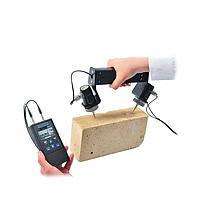
Concrete Strength Meter Inspection Service
Reliable concrete assessment depends not only on the instrument itself, but also on whether its readings remain consistent over time. In construction quality control, field inspection, and material verification, even small measurement deviations can affect how concrete condition is interpreted and how follow-up decisions are made.
Concrete Strength Meter Inspection Service is intended for users who need to check the condition and performance of concrete strength measuring equipment used in testing and site evaluation workflows. This service supports more dependable measurement results, helps identify drift or functional issues, and provides a practical step in maintaining confidence in routine inspection work.
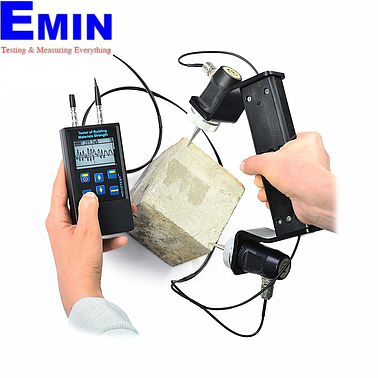
Why inspection matters for concrete strength measuring equipment
Concrete strength meters are commonly used when teams need a fast, non-destructive indication of material condition in the field or during maintenance programs. Because these instruments may be used across different sites, surfaces, and environmental conditions, periodic inspection is important to confirm that the device is still operating as expected.
A proper inspection service can help detect wear, impact damage, unstable readings, or other performance concerns before they affect day-to-day testing. For contractors, laboratories, consultants, and asset owners, this is especially relevant when instrument data contributes to acceptance checks, comparative assessment, or longer-term structural monitoring programs.
What this service is generally used for
This category is suited to organizations that rely on concrete strength meters in construction, civil engineering, infrastructure maintenance, and building diagnostics. The goal is not simply to verify that a device powers on, but to assess whether it remains suitable for practical measurement tasks in real operating conditions.
In many workflows, inspection service is part of broader equipment management. A concrete strength meter may be used alongside related test and evaluation tools, such as concrete test hammer inspection service for rebound-based checking or concrete ultrasonic detector inspection service where internal concrete evaluation is part of the testing plan.
Typical scope of a concrete strength meter inspection service
Although the exact process may vary depending on the instrument type and condition, inspection service typically focuses on the overall operational status of the device. This can include reviewing basic functionality, response behavior, measurement stability, visible physical condition, and whether the instrument shows signs of abnormal performance that may require further action.
For users managing several field instruments, inspection also helps standardize internal quality procedures. Instead of relying only on operator experience, companies can use scheduled service intervals to reduce uncertainty and keep equipment in a more traceable, serviceable condition.
Suitable for NOVOTEST equipment and similar use cases
Where relevant, users may seek inspection support for equipment from NOVOTEST, including the NOVOTEST Strength Meter Inspection Service listed in this category. Referencing a manufacturer-aligned service option can be helpful when maintaining consistency with the device ecosystem already used in the field.
This is particularly useful for teams that prefer to organize service activities by brand, instrument family, or testing method. It can also simplify planning when multiple devices are deployed across projects and need periodic review under a structured maintenance approach.
When to consider sending a concrete strength meter for inspection
Inspection is often recommended when readings begin to look inconsistent, after intensive site use, or following transport, impact, or long storage periods. It is also a sensible preventive step before a major project, audit, handover phase, or any situation where the reliability of measurement results is under closer scrutiny.
Some organizations also include inspection in recurring service schedules to support internal QA procedures. This approach is practical when instruments are used frequently and measurement consistency needs to be maintained across teams, locations, or reporting periods.
How this category fits into broader concrete and rebar testing workflows
Concrete strength assessment is rarely isolated from other inspection tasks. In real projects, engineers often combine surface strength evaluation with reinforcement location, corrosion checks, or material condition review to build a more complete understanding of structural performance.
That is why this service category can sit naturally alongside related options such as cover meter and rebar detector inspection or rebar corrosion detection inspection. For companies managing a wider set of NDT and material testing instruments, coordinating these services can help keep the full inspection toolkit ready for use.
Choosing the right service approach
When selecting a service option, it is useful to consider the instrument type, frequency of use, operating environment, and how critical the device is to your reporting process. Equipment used regularly on construction sites may require more frequent review than devices used only occasionally in controlled conditions.
It is also important to match the service request to the actual role of the instrument in your workflow. If the concrete strength meter supports acceptance decisions, comparative evaluation, or condition assessment, then maintaining its inspection status becomes part of protecting the quality of the overall testing process.
Supporting dependable field measurement
Concrete strength meter inspection service helps maintain confidence in concrete testing activities by checking whether the instrument remains fit for use in practical measurement work. For organizations that depend on stable, repeatable results, periodic inspection is a straightforward way to reduce uncertainty and support better equipment control.
Whether you manage a single meter or a broader fleet of concrete and rebar testing instruments, choosing the right inspection pathway can make routine testing more reliable and easier to manage over time. A well-maintained device is not just easier to use; it also supports clearer decisions in the field.
Get exclusive volume discounts, bulk pricing updates, and new product alerts delivered directly to your inbox.
By subscribing, you agree to our Terms of Service and Privacy Policy.
Direct access to our certified experts