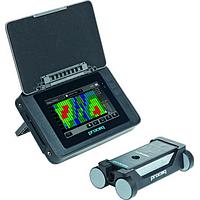
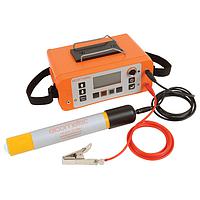
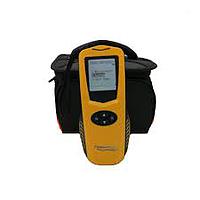
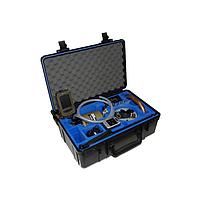
Soil, Concrete, Cement, Rock, Asphalt, Rebar Tester Inspection Service
Reliable field and laboratory measurements depend not only on the instrument itself, but also on how consistently it performs over time. In construction materials testing, structural assessment, and civil engineering inspection, regular verification helps maintain confidence in results used for quality control, maintenance planning, and technical reporting.
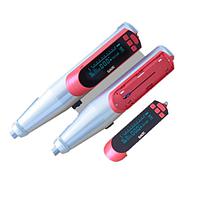
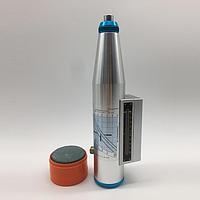
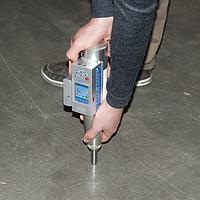
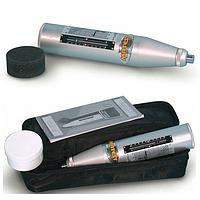
Soil, Concrete, Cement, Rock, Asphalt, Rebar Tester Inspection Service is intended for organizations that use material testing and structural assessment instruments in demanding environments. This category covers inspection services for a wide range of equipment used to evaluate concrete integrity, reinforcement location, corrosion risk, bond strength, steel condition, and related material properties.
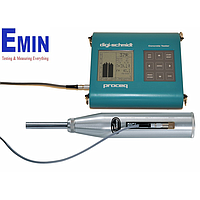
Scope of inspection services for construction material testing instruments
This category is relevant to contractors, testing laboratories, quality assurance teams, infrastructure maintenance units, consultants, and industrial facilities that rely on portable or bench instruments for material evaluation. The covered service scope typically supports equipment used on concrete structures, reinforced elements, steel members, pavement surfaces, and geotechnical or building assessment work.
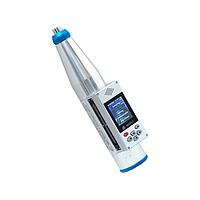
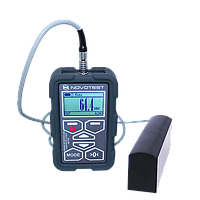
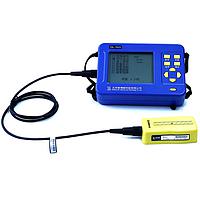
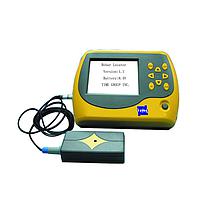
In practice, inspection may be needed for instruments such as cover meters, rebar detectors, ultrasonic pulse velocity devices, surface resistivity meters, pull-off testers, strength meters, and steel structure analyzers. Because these tools are often used to support technical decisions, maintaining measurement reliability is essential for both repeatability and traceability.
Why periodic inspection matters in real projects
Testing instruments for concrete, rebar, and related materials are frequently exposed to dust, impact, vibration, moisture, and frequent transport between sites. Over time, this can affect sensor response, probe condition, mechanical alignment, display accuracy, or overall measurement consistency. Even when a device still powers on and appears functional, its results may gradually drift from expected performance.
Periodic inspection helps identify these issues before they influence reports or field decisions. For companies managing broader fleets of measuring devices, it can also be useful to coordinate this category with mechanical measuring instruments inspection services or electrical and electronic meter inspection services where project workflows involve multiple types of tools.
Typical instruments covered in this category
The range of instruments in this category is broad because civil and structural testing rarely depends on a single measurement method. Some services focus on locating reinforcement and measuring concrete cover, while others relate to durability assessment, bond testing, or non-destructive structural screening.
Examples from this category include the PROCEQ Cover Meter & Rebar Detector Inspection Service, ELCOMETER Cover Meter & Rebar Detector Inspection Service, and Novotest Cover Meter & Rebar Detector Inspection Service for reinforcement detection applications. For condition assessment and durability-related testing, users may also look at the Proceq Resipod Resistivity Meter Inspection Service, PROCEQ Rebar Corrosion Detection Inspection Service, and ELCOMETER Rebar Corrosion Detection Inspection Service. Where structural evaluation goes further, services such as the PROCEQ Ultrasonic Pulse Velocity Inspection Service, Proceq Pull Off Tester For Concrete Inspection Service, NOVOTEST Strength Meter Inspection Service, and NOVOTEST Steel Structure Analyzer Inspection Service illustrate the diversity of devices typically supported.
Common application areas
Inspection services in this category are relevant wherever material test data contributes to acceptance, diagnosis, maintenance, or safety review. Typical use cases include concrete structure surveys, reinforcement mapping before drilling or coring, bridge and tunnel assessment, floor slab evaluation, building renovation projects, corrosion investigation, and quality verification in precast or cast-in-place work.
They are also useful for organizations that perform recurring inspection programs across multiple sites. If your workflow includes a wider set of application-specific instruments beyond construction materials, related support may also be found under specialty meters inspection service for other specialized measurement tasks.
Brand coverage and service compatibility
Many users need support that aligns with the brands already deployed in their operations. This category includes inspection services associated with established manufacturers such as PROCEQ, ELCOMETER, NOVOTEST, MADE, and T-measurement, with examples shown in the listed services. Brand-specific references are helpful because instrument design, probe configuration, and intended test method can vary across product families.
At the same time, selection should be based on the actual instrument type and inspection need rather than brand name alone. A cover meter and a resistivity meter serve different purposes, and the inspection approach should reflect that difference. The same principle applies when comparing equipment used for ultrasonic testing, pull-off testing, or steel structure analysis.
How to choose the right inspection service
A practical starting point is to identify the exact function of the instrument in your workflow. If the device is used to locate embedded reinforcement, a cover meter or rebar detector inspection service will be more relevant than a corrosion or ultrasonic service. If the instrument supports condition diagnosis of reinforced concrete, then resistivity, corrosion detection, or pulse velocity inspection may be the more suitable path.
It is also helpful to consider how the results are used: routine internal checks, project documentation, third-party reporting, or maintenance planning may each require a different level of confidence and service scheduling. For organizations operating mixed fleets of detectors and analyzers, combining inspection planning across categories can reduce downtime and improve asset control. In some industrial environments, this may sit alongside services such as gas detector and meter inspection when safety and facility monitoring devices are maintained under the same program.
Supporting consistent quality in testing and asset management
For B2B users, inspection service is not only about checking whether an instrument still works. It is part of a broader equipment management process that supports reliable measurement, better scheduling, and more controlled testing operations. This is particularly important when instruments move frequently between teams, subcontractors, projects, or site conditions.
By keeping concrete, rebar, asphalt, rock, cement, and structural testing instruments in a verified condition, organizations can reduce uncertainty in field results and maintain better continuity across inspection cycles. Whether you use cover meters, corrosion detectors, resistivity meters, pull-off testers, ultrasonic devices, or strength meters, choosing the right service category helps align your instruments with the demands of real testing work.
Final considerations
When reviewing this category, focus on the test method your instrument supports, the application environment, and the role of the measurement in your quality process. That makes it easier to select an inspection service that fits both the device and the job context.
With a service scope built around construction material and structural testing instruments, this category helps buyers and technical teams locate the right support for equipment used in concrete assessment, reinforcement detection, durability analysis, and related material testing tasks.
Get exclusive volume discounts, bulk pricing updates, and new product alerts delivered directly to your inbox.
By subscribing, you agree to our Terms of Service and Privacy Policy.
Direct access to our certified experts