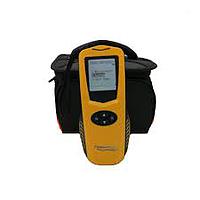
Cover Meter & Rebar Detector Inspection Service
Accurate reinforcement scanning is essential when checking concrete cover depth, locating embedded steel, and reducing the risk of drilling or cutting into rebar. When these instruments are used for site verification, maintenance planning, or quality control, their condition directly affects the reliability of the results. A well-structured Cover Meter & Rebar Detector Inspection Service helps verify that the device is operating properly before it is relied on for field decisions.
For contractors, laboratories, inspectors, and civil engineering teams, this service supports more consistent measurement performance across routine concrete assessment work. It is especially relevant for instruments used in construction quality checks, asset condition surveys, and non-destructive testing workflows where dependable cover and reinforcement detection is a practical requirement.
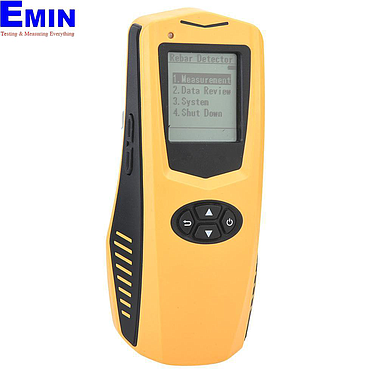
Why inspection matters for cover meters and rebar detectors
Cover meters and rebar detectors are commonly used to locate reinforcement bars and estimate concrete cover without damaging the structure. Over time, regular transport, repeated field use, impact, environmental exposure, and general wear can affect sensing performance, display behavior, or overall instrument response. Inspection helps identify these issues early and reduces the chance of working with an instrument that no longer performs as expected.
In many concrete testing programs, these devices are part of a broader inspection chain rather than a standalone tool. If your team also works with surface hardness testing, it may be useful to review related services such as concrete test hammer inspection to keep multiple concrete assessment tools aligned within the same maintenance routine.
Typical applications supported by this service
This category is relevant for organizations that depend on reinforcement detection in real job conditions. Typical use cases include checking cover thickness before coring, locating rebar before drilling or cutting, supporting structural investigation work, and confirming reinforcement layout during inspection of existing concrete members.
It is also useful in maintenance and rehabilitation projects where technicians need confidence in non-destructive scanning tools before making repair decisions. In these environments, inspection contributes to better repeatability and helps reduce uncertainty when equipment is used across multiple sites or by different operators.
What equipment can be included
The service applies to a range of instruments used for reinforcement location and cover assessment. Examples in this category include the ELCOMETER Cover Meter & Rebar Detector Inspection Service, PROCEQ Cover Meter & Rebar Detector Inspection Service, NOVOTEST Cover Meter & Rebar Detector Inspection Service, MADE Cover Meter & Rebar Detector Inspection Service, and the T-measurement Cover Meter & Rebar Detector Inspection Service-620XH.
These examples show that the category supports equipment from several recognized manufacturers used in concrete and rebar testing workflows. The purpose of mentioning them is not to imply that all devices are identical, but to illustrate the type of instruments typically associated with this inspection scope.
How this service fits into a broader concrete testing workflow
Field assessment rarely relies on one measurement method alone. A rebar detector may be used before invasive work begins, while other instruments may later be used to investigate material quality, internal defects, or durability-related conditions. That is why inspection planning often benefits from looking at the wider testing ecosystem rather than treating each device separately.
For example, teams involved in internal flaw assessment may also need concrete ultrasonic detector inspection services. Where durability and steel condition are part of the project scope, rebar corrosion detection inspection may also be relevant.
Key points to consider when selecting an inspection service
When choosing a suitable service, it helps to focus on the actual instrument type, its application history, and how critical it is to your daily work. A unit used occasionally for simple reinforcement checks may have different service priorities from one used intensively in inspection contracts, structural surveys, or acceptance testing.
You should also consider the manufacturer and model family involved, because practical handling and inspection procedures can vary between devices. This category includes equipment associated with brands such as PROCEQ, ELCOMETER, NOVOTEST, MADE, and T-measurement, giving buyers a clearer starting point when looking for support that matches their installed equipment base.
Supported brands and representative service entries
Several brands are highlighted in this category because they are commonly encountered in concrete cover and reinforcement detection work. These include ELCOMETER, PROCEQ, NOVOTEST, MADE, and T-measurement. If your organization operates one or more of these instruments, selecting the corresponding inspection service entry can help streamline the request process.
Representative listings include MADE Cover Meter & Rebar Detector Inspection Service, T-measurement Cover Meter & Rebar Detector Inspection Service-620XH, ELCOMETER Cover Meter & Rebar Detector Inspection Service, PROCEQ Cover Meter & Rebar Detector Inspection Service, and Novotest Cover Meter & Rebar Detector Inspection Service. These service pages are useful reference points when identifying the correct brand-related option for your equipment.
Who typically uses this category
This service category is relevant for a broad range of professional users, including civil testing laboratories, engineering consultants, building inspection companies, infrastructure maintenance teams, contractors, and quality assurance departments. In all of these environments, the main objective is similar: maintain confidence in the tool before relying on its readings in the field.
It is especially practical for organizations managing multiple concrete testing instruments across projects. By keeping inspection activities organized by device type, teams can improve maintenance planning, reduce interruptions, and support more reliable measurement practices over time.
Choosing the right service page for your equipment
If you already know the instrument brand, the most efficient approach is usually to start with the matching service entry in this category. That makes it easier to identify a relevant option for your current equipment, whether you use an ELCOMETER, PROCEQ, NOVOTEST, MADE, or T-measurement device for reinforcement location and cover evaluation.
For organizations involved in regular concrete investigation and non-destructive testing, maintaining inspection coverage across related instruments can make day-to-day work more predictable. This category provides a focused starting point for users who need dependable support for cover measurement and rebar detection equipment as part of a professional concrete testing workflow.
Get exclusive volume discounts, bulk pricing updates, and new product alerts delivered directly to your inbox.
By subscribing, you agree to our Terms of Service and Privacy Policy.
Direct access to our certified experts