
Permeability Tester Inspection Service
Reliable permeability measurements matter when evaluating concrete durability, water penetration resistance, and the long-term performance of construction materials. If the tester itself is out of condition or delivering unstable readings, inspection results can quickly become misleading and affect quality decisions on site or in the lab. A professional Permeability Tester Inspection Service helps verify that the equipment remains suitable for routine testing, comparison work, and documented quality control.
This service is relevant for contractors, materials laboratories, civil engineering teams, research facilities, and inspection organizations that rely on permeability testing as part of a broader concrete and structural assessment workflow. Regular inspection supports confidence in the instrument’s condition, identifies wear or functional issues early, and helps maintain consistency across repeated test cycles.
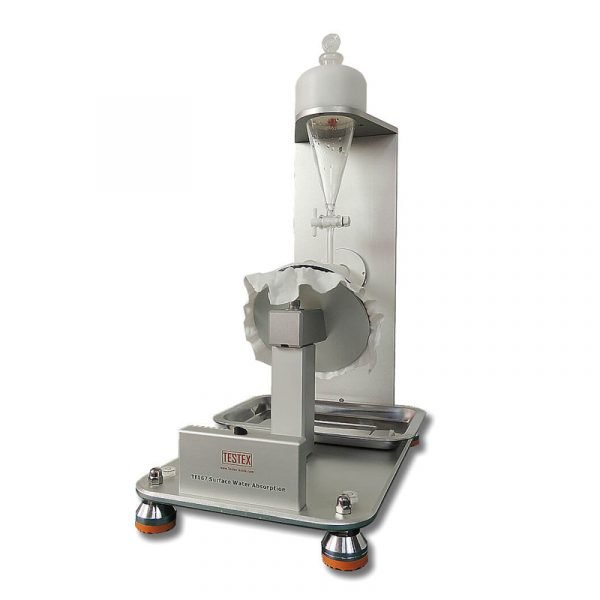
Why permeability tester inspection is important
Permeability testing is often used to assess how fluids, pressure, or moisture interact with a material over time. In concrete and related construction testing, these results can influence evaluations of durability, watertightness, and material suitability for demanding environments. Because of that, the condition of the instrument is just as important as the test procedure itself.
A structured inspection helps confirm the tester’s functional integrity, including whether key operating parts respond properly and whether the equipment shows signs of damage, drift, leakage, connection issues, or other performance concerns. This is especially important in environments where equipment is used frequently, transported between projects, or exposed to dust, moisture, and heavy handling.
What this inspection service typically supports
A permeability tester inspection service is intended to evaluate whether the device is operating in a stable and usable condition for its intended testing tasks. Depending on the instrument design, this may involve checking the overall physical state, visible wear points, operating response, basic pressure-related behavior, sealing condition, control elements, and the general readiness of the unit for continued use.
The goal is not simply to identify obvious defects. A good inspection process also helps uncover smaller issues that may gradually affect test repeatability, such as deteriorated seals, unstable operation, mechanical stress, or inconsistent response during normal handling. For organizations that need dependable records and repeatable workflows, this kind of preventative review is often more useful than waiting for equipment failure.
Who should consider this service
This category is relevant for users working with concrete testing, material verification, and civil engineering quality programs. It is particularly useful for laboratories that run scheduled test batches, field teams that use portable equipment under changing site conditions, and asset managers responsible for maintaining a larger fleet of testing devices.
If your permeability tester is used alongside other inspection and material assessment tools, periodic inspection helps keep the full testing process aligned. For example, teams that also use concrete test hammer inspection services may benefit from managing multiple concrete evaluation instruments under a consistent maintenance schedule.
Common reasons to schedule an inspection
Many organizations arrange inspection on a periodic basis, but there are also practical situations where an additional check is advisable. This includes equipment that has been heavily used, moved between projects, stored for long periods, exposed to harsh environments, or showing signs of unstable operation during testing.
- Readings appear inconsistent across similar samples or repeated tests.
- The unit has visible wear, impact marks, leaks, or damaged fittings.
- Controls, gauges, or operating parts do not respond smoothly.
- The tester has returned from field work and needs condition verification before further use.
- The equipment is part of a documented quality system and requires regular inspection records.
In these cases, an inspection can help determine whether the tester is ready for continued service or whether additional maintenance, adjustment, or calibration-related action should be considered.
How permeability tester inspection fits into a broader testing workflow
Permeability testing is often only one part of a wider material assessment program. In concrete investigation and structural evaluation, teams may combine multiple methods to understand strength, internal condition, cover depth, reinforcement state, and durability-related behavior. Keeping each instrument in reliable working condition improves the value of the final engineering judgment.
For this reason, some users also review related services such as concrete ultrasonic detector inspection for internal material assessment or cover meter and rebar detector inspection when reinforcement location and concrete cover are also part of the scope.
Benefits of regular equipment inspection
The most practical benefit of routine inspection is improved confidence in day-to-day testing. When the equipment condition is known and documented, teams can work with fewer interruptions and a lower risk of questionable results. This is particularly important when permeability data is used in acceptance testing, comparative studies, maintenance planning, or technical reporting.
Another benefit is better equipment lifecycle management. Early detection of wear or performance deviation can reduce downtime, support timely maintenance decisions, and help avoid situations where an instrument is used beyond an acceptable condition. In B2B environments, that translates into more predictable operations and stronger traceability in quality processes.
Choosing the right service support for your tester
When arranging inspection, it is helpful to prepare basic equipment information such as instrument type, usage environment, service history, and any symptoms already observed during operation. This allows the inspection scope to better match the actual condition of the device and helps service teams identify likely problem areas more efficiently.
If your testing program also includes durability and reinforcement-related checks, you may also want to review rebar corrosion detection inspection services as part of a broader asset condition strategy. Grouping related inspection activities can improve planning efficiency and simplify internal maintenance tracking.
Support more dependable material testing
A permeability tester plays an important role in evaluating how construction materials perform under exposure to water or pressure-related conditions. Keeping that instrument in proper working order helps protect the reliability of your test process, the consistency of your records, and the quality of the decisions based on them.
For organizations that depend on repeatable test outcomes and accountable equipment management, routine inspection is a practical step toward more dependable operations. Whether the tester is used in a laboratory program or in field-based material assessment, timely inspection helps ensure the device remains ready for the work it is meant to do.
Get exclusive volume discounts, bulk pricing updates, and new product alerts delivered directly to your inbox.
By subscribing, you agree to our Terms of Service and Privacy Policy.
Direct access to our certified experts