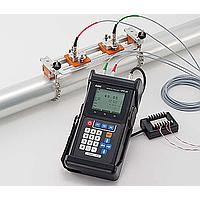
Flow Meter Inspection Service
Accurate flow measurement affects everything from process stability and utility monitoring to product quality and energy control. When a meter begins to drift, even small errors can lead to incorrect consumption data, unbalanced systems, or poor confidence in test results. A professional Flow Meter Inspection Service helps verify instrument condition, identify measurement issues, and support more reliable operation across industrial and technical environments.
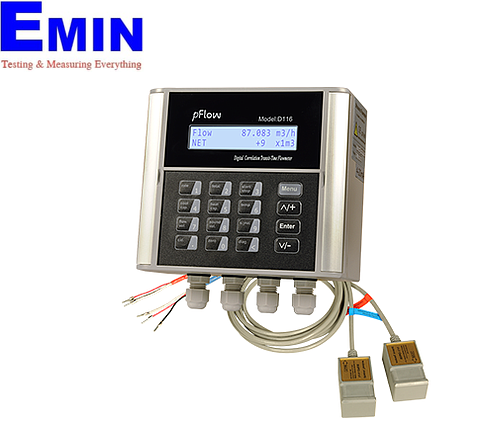
Why flow meter inspection matters
Flow meters are used to measure liquids, gases, and utility flows in a wide range of systems. Over time, performance can be affected by installation conditions, contamination, wear, signal problems, or process changes. Inspection is therefore an important step for users who need to confirm that an instrument is still suitable for service and that its readings remain dependable for day-to-day decision-making.
In a B2B setting, inspection is often part of a broader quality and maintenance routine. It can support troubleshooting, acceptance checks, periodic verification, and preparation for more formal calibration or service work when needed. For organizations managing multiple measuring devices, it also helps create a more consistent approach to instrument control.
What is typically covered in a flow meter inspection service
A flow meter inspection generally focuses on the overall condition and measurement readiness of the device rather than simply treating it as a pass-or-fail item. Depending on the meter type, inspection may include visual condition checks, basic functional review, confirmation of signal behavior, and assessment of whether the instrument appears to operate within expected application conditions.
This is especially relevant because flow meters are installed in very different environments. Some are used for water monitoring, others for air, gas, or process fluid measurement, and each setup introduces its own risks. Inspection helps determine whether the instrument, connections, and operating state remain appropriate for the intended duty.
For operations that also manage other specialized test equipment, related services such as compressed air and gases tester inspection may be useful where gas-flow performance and utility verification are part of the same maintenance workflow.
Common flow meter types covered in this category
This category is relevant to several practical meter formats used in industry, laboratory support, utilities, and field service. One common example is the ultrasonic flow meter, which is widely chosen when non-intrusive or flexible installation is important. Inspection of ultrasonic instruments often focuses on operational integrity, sensor condition, and whether the device is still suitable for the application environment.
Water flow meters are another key group, particularly in facilities where utility tracking, cooling systems, or process water distribution must be monitored with confidence. Inspection can help identify condition-related issues before they turn into larger measurement discrepancies or maintenance problems.
Where broader instrument verification is part of the same asset strategy, some users also review adjacent services such as coating thickness meter inspection or laser power meter inspection for other specialized measuring tools within the plant or quality department.
Representative services and manufacturers
The category includes service options associated with well-known instrument brands and flow applications. Examples include the PCE Ultrasonic Flow Meter Inspection Service, Tokyo-Keiki ultrasonic flow meter inspection support, Dynaflox water flow meter inspection service, and TSI Flowmeters flow and pressure test instrument inspection service.
These examples show the range of instruments that may require inspection, from portable or application-specific ultrasonic units to broader flow and pressure test devices. If your organization already standardizes around a particular supplier, it may also be useful to explore the manufacturer pages for PCE or Tokyo-Keiki when comparing available equipment and related service coverage.
How to choose the right inspection service
The best starting point is the actual measuring principle and service environment of the instrument. A portable ultrasonic meter used for field checks may need a different inspection approach from a permanently installed water meter or a combined flow and pressure test instrument. Before selecting a service, it helps to confirm the medium being measured, the application context, and whether the instrument is used for internal monitoring, process control, maintenance checks, or reporting.
It is also useful to consider the condition that prompted the inspection. Some customers request service because of suspected reading drift, communication issues, unstable outputs, or inconsistencies between instruments. Others simply need routine verification as part of preventive maintenance. Clarifying this purpose makes it easier to choose a service that supports the actual operational need instead of treating every meter the same way.
Applications across industrial and technical environments
Flow meter inspection services are relevant in manufacturing, utilities, facility engineering, laboratories, maintenance departments, and process support teams. Any operation that depends on measured flow for balancing, monitoring, troubleshooting, or documenting performance can benefit from periodic review of instrument condition.
In practical terms, this may include checking water usage trends, verifying flow in service lines, reviewing gas-related measurements, or confirming that portable instruments used by technicians still behave as expected. Inspection is especially helpful when measurement results influence energy management, process repeatability, or maintenance decisions.
When to schedule an inspection
There is no single interval that fits every instrument. Inspection timing usually depends on how critical the measurement is, how often the meter is used, environmental exposure, and whether the instrument has shown signs of abnormal behavior. Meters in demanding conditions or those used for frequent field work may require closer attention than instruments operating in stable indoor environments.
Many users arrange inspection after relocation, after unexpected process events, when readings no longer match system expectations, or before a major maintenance cycle. This helps reduce uncertainty and supports more informed decisions about continued use, repair, or deeper calibration work.
Support better measurement confidence
Choosing the right flow meter service is ultimately about maintaining trust in the numbers your operation relies on. A well-planned inspection can help reveal condition issues early, improve traceability within maintenance routines, and support more stable measurement performance over time.
Whether you are reviewing ultrasonic meters, water flow instruments, or flow-and-pressure test equipment from brands such as PCE, Tokyo-Keiki, TSI Flowmeters, or Dynaflox, this category provides a focused starting point for evaluating suitable inspection options. If your site uses multiple types of specialty meters, aligning inspection activities across equipment groups can also make your instrument management process more consistent and efficient.
Get exclusive volume discounts, bulk pricing updates, and new product alerts delivered directly to your inbox.
By subscribing, you agree to our Terms of Service and Privacy Policy.
Direct access to our certified experts