Metal Detector Inspection Service
Reliable metal detection is closely tied to product quality, process control, and operational safety. When a detector is used in production, inspection, security, or fieldwork, periodic verification helps confirm that the instrument is still responding correctly and performing within its intended condition. This is where Metal Detector Inspection Service becomes important for organizations that depend on dependable detection results.
On this page, you can explore inspection service options for widely used metal detector brands and compare solutions that fit different equipment fleets. Whether you manage a single unit or multiple detectors across sites, a structured inspection program can support more consistent performance and reduce uncertainty during daily operation.
Why periodic inspection matters for metal detectors
Metal detectors are often used in environments where sensitivity, repeatability, and stable response are essential. Over time, factors such as handling conditions, operating frequency, surrounding electromagnetic noise, and normal wear can affect how the equipment behaves. Regular inspection helps identify these issues before they lead to unreliable readings or unnecessary downtime.
For B2B users, inspection is not only about maintenance. It also supports traceability, equipment management, and internal quality procedures. In many operations, having a documented inspection history makes it easier to schedule service intervals, assess equipment condition, and decide when further adjustment or repair may be needed.
What is typically checked during a metal detector inspection service
The exact inspection workflow can vary by brand and device type, but the goal is generally the same: verify that the unit operates correctly and that its detection response remains stable under expected conditions. This may include functional checks, response confirmation, visual condition review, and evaluation of key operating behavior relevant to the instrument.
For users handling broader testing and verification requirements, related services such as coating thickness meter inspection service can also be useful when managing multiple categories of measuring equipment under one maintenance plan.
Inspection is especially valuable when a detector is part of a controlled workflow. In these cases, the service helps confirm that the equipment is suitable for continued use, while also giving maintenance teams a clearer basis for planning service actions, replacements, or follow-up troubleshooting if abnormal behavior is found.
Brand-specific service options available in this category
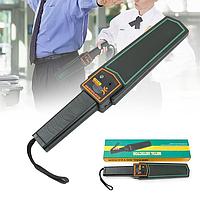
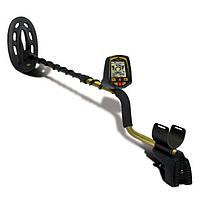
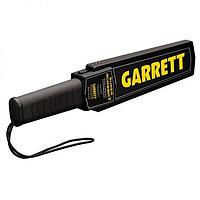
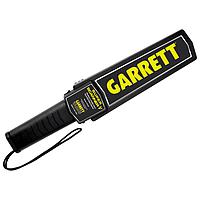
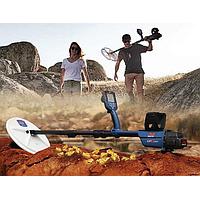
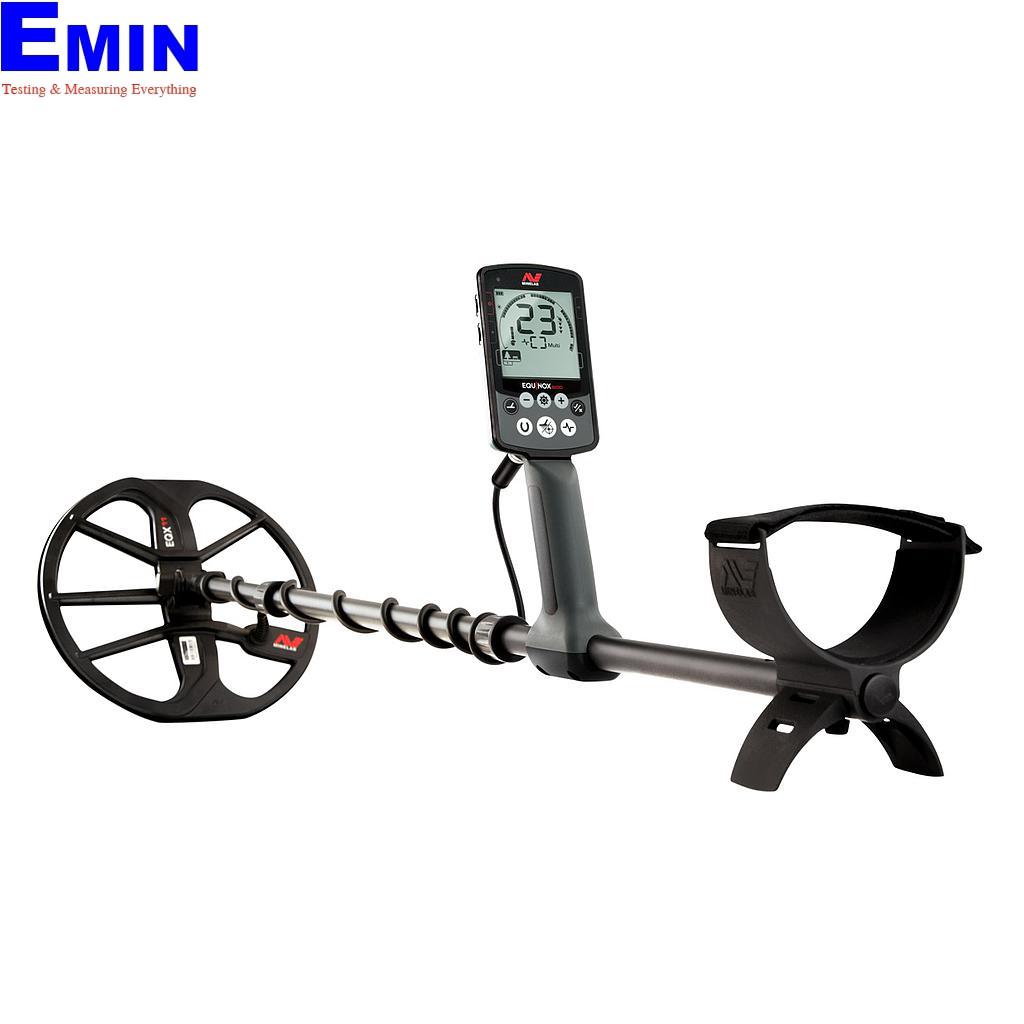
This category includes inspection services for several well-known detector manufacturers used in professional and industrial settings. Available options include the MINELAB Metal Detector Inspection Service, Garrett Metal Detector Inspection Service, SANKO Metal Detector Inspection Service, TAKACHIHO Metal Detector Inspection Service, and ZOAN Metal Detector Inspection Service.
Each service offering is intended to align with the respective equipment ecosystem rather than treating all detectors as identical devices. That matters because different brands may be deployed in different usage contexts, from field detection applications to more controlled inspection routines. Choosing the appropriate service by manufacturer can help keep the evaluation process relevant to the actual equipment in use.
How to choose the right inspection service
A practical starting point is the detector brand and the way the instrument is used in your operation. If your site standardizes on one manufacturer, selecting the matching service option simplifies administration and helps keep documentation organized. If multiple brands are used across departments or branches, it is useful to group services by manufacturer and service cycle.
You should also consider the role of the detector in the process. Equipment used in frequent operation or in quality-critical tasks may need closer inspection planning than units used only occasionally. In broader maintenance programs, companies often review related services such as laser power meter inspection service to build a more complete schedule for specialty instruments.
Another important factor is recordkeeping. A clear service history makes it easier to evaluate asset condition over time, support audits, and coordinate with internal maintenance teams. This is particularly helpful for organizations managing many portable or site-distributed inspection devices.
Suitable for industrial, institutional, and multi-site equipment management
Inspection service for metal detectors is relevant across a wide range of B2B environments. Industrial users may rely on it to support controlled inspection processes, while commercial and institutional users may need periodic checks to maintain dependable operation of portable or fixed equipment. The service also fits companies that maintain an inventory of specialty meters and want a consistent process across brands.
Multi-site businesses benefit from standardized service categories because they make procurement and maintenance planning easier. Instead of handling each unit informally, teams can align inspections with asset lists, service intervals, and manufacturer-specific requirements. That approach supports better visibility across the equipment lifecycle.
Representative service offerings in this category
Some of the main service entries available here include MINELAB Metal Detector Inspection Service, Garrett Metal Detector Inspection Service, SANKO Metal Detector Inspection Service, TAKACHIHO Metal Detector Inspection Service, and ZOAN Metal Detector Inspection Service. These listings are useful for buyers who already know the brand of the equipment they need to maintain and want to move directly to the relevant service page.
Where required, you can also explore manufacturer pages such as Garrett for a broader view of the brand context. For organizations maintaining different specialized instruments, adjacent service categories like compressed air and gases tester inspection service may help extend the maintenance framework beyond metal detection alone.
Supporting more consistent equipment performance over time
A well-planned equipment inspection routine helps reduce uncertainty in day-to-day use. Rather than waiting for obvious faults to appear, periodic inspection provides a structured way to review detector condition and confirm continued usability. This is especially important when metal detection results influence operational decisions or quality-related actions.
For procurement teams, maintenance coordinators, and technical users, this category provides a practical starting point for organizing brand-based service requirements. By selecting the appropriate inspection service for your installed equipment, it becomes easier to maintain service continuity, improve documentation quality, and keep essential detection tools ready for use.
Conclusion
When metal detectors play an active role in inspection or field operations, regular service review is a sensible part of asset management. This category brings together manufacturer-specific options so you can find the right path for periodic verification and ongoing equipment oversight. If your organization manages specialty instruments across multiple functions, using structured inspection services can help create a more consistent and reliable maintenance process.
Get exclusive volume discounts, bulk pricing updates, and new product alerts delivered directly to your inbox.
By subscribing, you agree to our Terms of Service and Privacy Policy.
Direct access to our certified experts