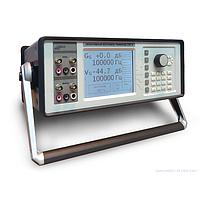
Low Frequency Meter Inspection Service
Accurate verification of low-frequency measurement equipment is essential when signal quality, device stability, and test confidence matter in daily operation. In laboratories, telecom maintenance environments, electronics service centers, and production support workflows, even small deviations in a meter can affect troubleshooting results, acceptance testing, and long-term equipment reliability. This is why a dedicated Low Frequency Meter Inspection Service plays an important role in maintaining dependable measurement performance.
For organizations that rely on signal-related instruments, inspection service is not only about checking whether a device powers on or appears functional. It is also about confirming that the instrument continues to respond consistently within its intended operating range, so users can make technical decisions based on trustworthy readings.

Why inspection service matters for low-frequency meters
Low-frequency meters are commonly used in environments where waveform behavior, amplitude stability, and signal response need to be evaluated with confidence. Over time, normal aging, transport stress, environmental conditions, and repeated field use can influence internal circuits and measurement behavior. Periodic inspection helps identify these issues before they lead to incorrect test conclusions or unnecessary downtime.
A structured inspection process is particularly valuable for companies that must maintain repeatable testing procedures across multiple sites or teams. When instruments are checked regularly, it becomes easier to manage maintenance planning, reduce uncertainty in measurement tasks, and support internal quality control practices.
What this category is intended to support
This category focuses on services related to the inspection of low-frequency meters used in technical measurement and signal verification work. It is relevant for users who need to assess the condition and measurement readiness of existing equipment rather than immediately replace it. In many B2B settings, serviceability and measurement continuity are just as important as the instrument itself.
A representative example in this category is the Kontour Low-Frequency Signals Meter Inspection Service, which reflects the practical need for evaluating low-frequency signal measurement equipment as part of an ongoing maintenance and verification program. For buyers already working within the Kontour product ecosystem, this can also help align service planning with installed instruments and established workflows.
Common use cases in technical and industrial environments
Inspection services for low-frequency meters are relevant across a wide range of applications, especially where engineers and technicians depend on instrument readings for adjustment, validation, or fault isolation. This may include telecom support activities, broadcast-related testing, electronic servicing, and bench-level verification in repair or maintenance departments.
These services are also useful when organizations manage legacy measurement equipment that remains operational but still requires periodic performance checks. In such cases, inspection can extend practical usability while helping teams determine whether the instrument remains suitable for routine work, backup use, or less critical measurement tasks.
How low-frequency meter inspection fits into a broader test workflow
Low-frequency measurement rarely happens in isolation. In many test environments, it supports a wider chain of instruments used to evaluate signals, transmission behavior, power levels, or equipment condition. Because of this, inspection planning often benefits from considering adjacent service needs across the same bench or facility.
For example, teams working with broader signal measurement systems may also need wave test equipment inspection service to maintain consistency across related testing functions. Where RF measurement is part of the workflow, it may also be useful to review RF voltmeter inspection service as part of a broader maintenance schedule.
What to consider when selecting an inspection service
When evaluating a service option, buyers should look at the role the instrument plays in their operation and the level of confidence required from its readings. A meter used in routine checks may not have the same service priority as one used for validation, troubleshooting escalation, or critical acceptance testing. Understanding this context helps determine inspection frequency and service urgency.
It is also useful to consider the surrounding instrument set, service history, and whether the equipment belongs to a known manufacturer portfolio. If your workflow includes network-focused test systems in addition to low-frequency instruments, related services such as vector network analyzer inspection service may be relevant for keeping the full measurement chain aligned.
Benefits for maintenance planning and asset management
A well-chosen inspection service can support more than immediate technical verification. It also helps maintenance teams make better decisions about repair timing, replacement planning, and equipment allocation. Instead of relying only on age or visual condition, organizations can use inspection outcomes to better understand the practical status of each instrument.
For B2B users managing multiple test assets, this approach improves visibility across the installed base and reduces the risk of depending on instruments with unverified performance. It can also help standardize internal processes, particularly when several departments share equipment or when field and bench teams need consistent measurement behavior.
Choosing the right category for related service needs
Not every instrument issue belongs in the same service path, so selecting the right category matters. A low-frequency meter should be matched with a service that reflects its actual measurement function and operating context. This makes the request clearer, improves communication during service coordination, and helps avoid delays caused by category mismatch.
Where the main concern involves power-related RF measurement rather than low-frequency signal behavior, users may be better served by RF and microwave power meter inspection service. Taking a category-based approach helps procurement and engineering teams route each instrument to the most appropriate inspection process.
Final considerations
Keeping measurement equipment in dependable working condition is a practical requirement for any organization that relies on repeatable technical testing. A dedicated Low Frequency Meter Inspection Service supports that goal by helping verify instrument condition, maintain confidence in readings, and integrate service planning into a wider equipment management strategy.
Whether you are reviewing a single unit or coordinating inspection across a larger test inventory, this category provides a focused starting point for low-frequency meter service needs. It is especially relevant for teams that want to preserve measurement continuity, reduce uncertainty, and make more informed decisions about the instruments they use every day.
Get exclusive volume discounts, bulk pricing updates, and new product alerts delivered directly to your inbox.
By subscribing, you agree to our Terms of Service and Privacy Policy.
Direct access to our certified experts