
Dry block, Bath calibrator Repair Service
Temperature calibration work depends on stable heat generation, accurate sensing, and reliable control. When a dry block or bath calibrator starts drifting, heating unevenly, failing to stabilize, or showing control issues, repair service becomes an important step in restoring confidence in the calibration process. This category is intended for organizations that rely on these instruments in laboratories, maintenance departments, utilities, manufacturing plants, and quality systems where temperature accuracy directly affects downstream measurements.
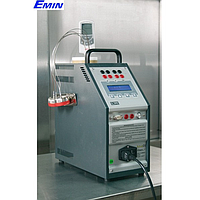
Repair support for dry block and bath calibration equipment
Dry block, Bath calibrator Repair Service covers service needs for temperature calibration instruments used to check probes, sensors, transmitters, and other temperature devices under controlled conditions. In practical use, these systems may be exposed to frequent transport, continuous heating cycles, contamination, sensor wear, or controller faults that gradually affect performance.
A proper repair approach helps bring the instrument back to dependable operating condition while reducing unnecessary replacement costs. For technical teams, this is especially relevant when the calibrator remains part of an established workflow and needs to be returned to service with predictable behavior, stable temperature control, and consistent usability.
Common service situations that lead to repair
Users often seek repair after noticing problems such as unstable temperature readings, slow warm-up, failure to hold a setpoint, display or keypad issues, or inconsistent results between repeated test cycles. In bath-style units, fluid handling and temperature uniformity can also become concerns over time. In dry block units, insert fit, heating response, and control performance are often the first signs that service is needed.
Not every issue points to the same root cause. A repair request may involve the heating system, internal sensing elements, temperature control electronics, power-related faults, mechanical wear, or general operational degradation. For this reason, service for temperature calibrators is typically best viewed as a combination of inspection, fault isolation, corrective repair, and return-to-use verification rather than a simple parts swap.
Why repair quality matters in calibration workflows
These instruments are often used as reference tools in inspection, maintenance, and calibration environments. If the source temperature is unstable or the indicated value is unreliable, the effect can extend beyond a single device and influence the quality of multiple test points, reports, or maintenance decisions. That is why repair quality matters not only for the instrument itself, but also for the integrity of the broader measurement process.
For companies handling several types of calibrators, it can also be useful to align service planning across related equipment. For example, organizations maintaining temperature sources alongside signal simulation tools may also review options for electrical calibrator repair support or process signal calibrator service as part of one maintenance strategy.
Supported brands and typical equipment context
This category includes repair service examples for instruments from recognized manufacturers used in temperature calibration work. Depending on your installed base, that may include equipment from Fluke (Calibration), Additel, Advanced Energy, Rotronic, KERN, EBRO, Nagman, PRESYS, Malcom, and R&D Instruments.
Representative service listings in this category include FlukeCal Dry block, Bath Calibrator Repair Service, Additel Dry block, Bath Calibrator Repair Service, Advanced Energy Dry block, Bath Calibrator Repair Service, Rotronic Dry block, Bath Calibrator Repair Service, and KERN Dry block, Bath Calibrator Repair Service. These examples help clarify brand coverage, while the core purpose of the category remains the same: restoring function and usability for temperature calibration equipment already in service.
What to consider before requesting service
Before sending a unit for repair, it helps to document the observed symptoms clearly. Useful details may include whether the problem appears during startup, heating, stabilization, display operation, user input, or repeated measurement cycles. If the issue occurs only at certain temperatures or under specific operating conditions, that information can help narrow the possible fault area more quickly.
It is also practical to identify whether the equipment is a dry block or a bath calibrator, how it is typically used, and whether accessories or inserts are involved in the issue. This does not replace technical diagnosis, but it improves communication and helps ensure the repair process is better aligned with the instrument’s real application rather than just its model label.
How dry block and bath calibrators fit into a broader service environment
In many industrial and laboratory settings, temperature calibration equipment is only one part of a wider maintenance and verification program. Teams may also handle pressure, electrical, speed, or process calibration devices, each with its own failure patterns and service requirements. Looking at repair needs across the full calibration fleet can reduce downtime and create a more consistent service schedule.
For example, facilities that support multiple calibration disciplines may also need related services such as pressure comparator repair or tachometer calibrator service. This kind of broader view is useful when planning maintenance windows, service budgeting, and instrument availability across different departments.
Choosing the right service path for your instrument
The most effective service path usually starts with matching the repair request to the actual instrument type, brand, and symptoms observed in the field. A vague request such as “not working properly” may delay evaluation, while a focused description of control instability, heating failure, display issues, or inconsistent temperature behavior can help move the process forward more efficiently.
Brand-specific familiarity can also matter when the installed base includes manufacturers such as Advanced Energy, Fluke (Calibration), Additel, Rotronic, or KERN. Even when instruments serve similar functions, their internal design, control approach, and service history can differ. Using the correct category helps route the request in a way that better reflects the equipment’s operating role and expected repair needs.
Final considerations
When temperature calibration equipment no longer performs as expected, timely repair can help protect measurement quality, reduce workflow disruption, and extend the useful life of the instrument. This category is designed to support service requests for dry block and bath calibrators used in real calibration and maintenance environments, with examples across several established brands.
If you are reviewing service options, focus on the instrument type, the operating symptoms, and how the unit is used in your process. That information provides a stronger basis for evaluating the appropriate repair service and helps ensure the calibrator returns to work with the reliability your application requires.
Get exclusive volume discounts, bulk pricing updates, and new product alerts delivered directly to your inbox.
By subscribing, you agree to our Terms of Service and Privacy Policy.
Direct access to our certified experts
