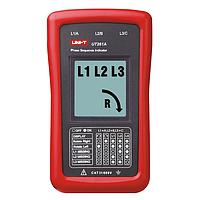
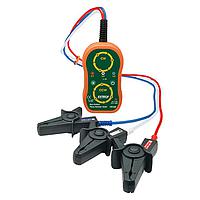
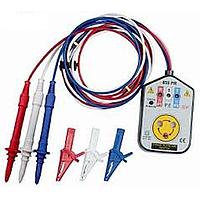
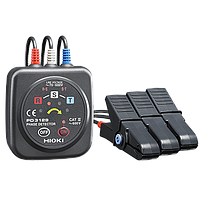
Phase Indicator Repair Service
When technicians depend on a phase indicator to verify phase sequence, rotation, or live phase presence, unreliable readings can quickly turn into a safety and troubleshooting problem. A professional Phase Indicator Repair Service helps restore measurement confidence, reduce unnecessary replacement costs, and keep electrical maintenance work moving with less interruption.
In industrial plants, building services, panel work, and field maintenance, phase indicators are often used in demanding environments. Over time, test leads, internal circuits, display sections, housings, and connection points may degrade through frequent handling, storage conditions, or electrical stress. Repair support is therefore an important part of maintaining a dependable electrical test equipment fleet.
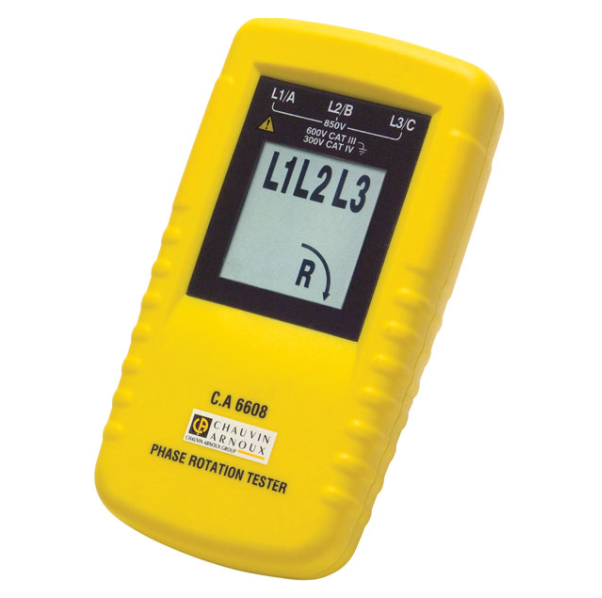
Why phase indicator repair matters
A phase indicator is typically used before commissioning, maintenance, or fault isolation on three-phase systems. If the instrument becomes unstable, damaged, or inconsistent, the user may no longer be able to rely on the result when checking phase rotation or identifying wiring conditions. That makes timely repair more than a maintenance task; it supports both workflow continuity and practical job-site safety.
Compared with general-purpose test tools, this type of instrument serves a more specific diagnostic role. For that reason, proper servicing should focus on restoring the device’s intended operating condition rather than treating it as a generic handheld meter. Where a broader instrument fleet also requires support, related services such as multimeter repair may be relevant for teams maintaining several electrical testing tools at once.
Common issues seen in phase indicators
Service requests for phase indicators often involve functional faults that affect usability in the field. These may include a unit that no longer powers correctly, gives unstable indications, responds inconsistently when connected, or shows signs of wear on cables, clips, probes, or external housing. In many cases, repeated transport and frequent use in switchboards or control panels contribute to gradual deterioration.
Another common concern is when the instrument appears physically intact but no longer inspires trust during testing. In electrical maintenance, uncertain readings can be just as disruptive as total failure, because technicians may need to stop work, cross-check with other tools, or remove the device from service. For organizations that also rely heavily on current measurement tools, clamp meter repair service can be a useful parallel support category.
Brands commonly supported in this category
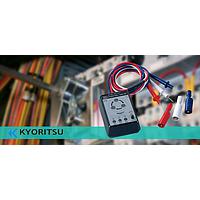
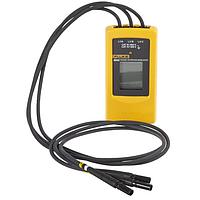
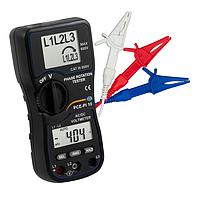
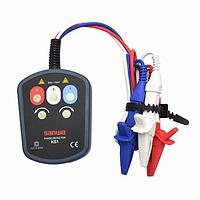
This category covers repair support for widely used brands in electrical measurement and field testing. Examples include FLUKE, HIOKI, EXTECH, KYORITSU, PCE, SANWA, and SEW. Mentioning brand compatibility is helpful because many maintenance teams standardize equipment by manufacturer and prefer service options that align with their installed tool base.
Representative service listings in this category include the FLUKE Phase Indicator Repair Service, HIOKI Phase Indicator Repair Service, EXTECH Phase Indicator Repair Service, SANWA Phase Indicator Repair Service, PCE Phase Indicator Repair Service, SEW Phase Indicator Repair Service, and KYORITSU Phase Indicator Repair Service. These examples help buyers quickly identify coverage by brand while still keeping the focus on the service need rather than only on product names.
What to consider before sending a unit for repair
Before arranging service, it is useful to confirm the instrument brand, model designation, visible symptoms, and the operating situation in which the fault occurs. A brief note about whether the issue is constant or intermittent can also help streamline the evaluation. If leads, clips, or accessories are involved in the problem, that should be stated clearly as well.
For maintenance departments and contractors, it is also worth thinking about downtime impact. If a phase indicator is part of a frequently used field kit, repair turnaround and coordination with other instrument servicing may matter as much as the repair itself. Grouping service requests across several handheld electrical instruments can make planning easier, especially when multiple tools are due for inspection or restoration.
How phase indicator repair fits into a wider maintenance program
In many facilities, handheld electrical instruments are managed as part of a broader reliability process. That means repair is not only reactive; it also supports better equipment lifecycle control, more predictable field readiness, and fewer unexpected failures during commissioning or troubleshooting. A well-maintained instrument pool helps technicians spend less time questioning their tools and more time solving the actual electrical issue.
This is especially relevant when phase indicators are used alongside insulation testers, multimeters, clamp meters, or installation testers during routine electrical work. If your team handles a broader set of installation verification instruments, you may also want to review multifunction electrical installations meter repair for related support needs.
Choosing the right service option for your equipment
The right repair path depends on the role the instrument plays in your daily work, the brand in use, and the symptoms observed in the field. Some buyers search directly by manufacturer, while others start from the type of instrument and then narrow down by service listing. Both approaches are valid, as long as the selected service matches the actual device category.
For organizations using several brands, it can be helpful to standardize the intake process by recording asset details and fault descriptions before submission. This reduces ambiguity and makes it easier to route a unit to the appropriate service line, whether the equipment is a FLUKE, HIOKI, EXTECH, KYORITSU, PCE, SANWA, or SEW phase indicator. Where brand-based browsing is preferred, the EXTECH brand page may also help users navigate related equipment support more efficiently.
When repair is the practical choice
Repair is often a sensible option when the instrument remains important to an established workflow, especially if users are already familiar with its operation and accessories. In B2B environments, replacing every faulty handheld tester immediately is not always the most practical route, particularly when equipment fleets include multiple specialized instruments with different functions.
A structured repair service process helps extend usable equipment life and supports more controlled maintenance spending. It also gives procurement and maintenance teams a clearer way to manage assets by instrument type and brand, rather than treating every tool failure as a replacement event.
Support better reliability with a dedicated phase indicator service
For electrical teams working with three-phase systems, dependable indication tools remain essential for routine checks, installation work, and troubleshooting. A focused phase indicator repair option helps maintain confidence in these instruments while fitting naturally into a wider service strategy for handheld electrical test equipment.
If you are reviewing service options for existing assets, this category provides a practical starting point for brand-specific repair requests and for planning support across your electrical measurement toolkit. Choosing the appropriate service early can reduce disruption, improve equipment availability, and keep essential testing instruments ready for the next job.
Get exclusive volume discounts, bulk pricing updates, and new product alerts delivered directly to your inbox.
By subscribing, you agree to our Terms of Service and Privacy Policy.
Direct access to our certified experts