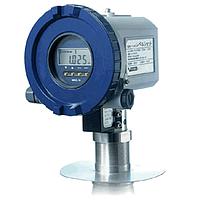
Level gauge, relays, level measuring sensor Repair Service
Accurate level monitoring is essential in tanks, sumps, water treatment lines, chemical processes, and many automated production systems. When a level gauge, relay, or level measuring sensor starts giving unstable signals, delayed switching, or incorrect readings, the result can be unplanned downtime, overflow risk, dry-run conditions, and unreliable process control. This is why a dedicated level gauge, relays, level measuring sensor repair service is important for facilities that need to restore performance without disrupting the wider automation system.
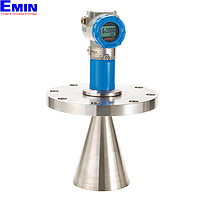
Repair support for level measurement devices in industrial systems
Level-related devices are often small components within a larger control loop, but they have a direct impact on safety, sequencing, pump control, and alarm logic. A fault in one sensor or relay can cause repeated trips, false high or low indications, or inconsistent switching that affects the entire process line.
This category focuses on repair support for equipment used in level measurement and associated relay control. That may include restoring signal stability, resolving switching issues, addressing damaged electronics, and returning the device to reliable service where repair is technically feasible and economically practical.
Typical issues seen in level gauges and relay-based control circuits
In day-to-day plant operation, these devices can fail gradually or suddenly. Common symptoms include drift in measurement output, relay contacts not switching correctly, intermittent alarms, unstable level indication, sensor response delays, or complete loss of communication with the connected control system.
Environmental exposure also matters. Moisture, vibration, contamination, electrical noise, and long operating cycles can all contribute to faults in gauges and sensors. In relay-based assemblies, worn contacts or degraded internal components may create erratic behavior that is difficult to trace unless the level device is checked as part of the wider automation chain.
Where surrounding equipment also needs attention, related support may be relevant, such as repair service for automation data loggers when level data recording or event tracking is affected.
Supported brands and representative repair cases
This category includes repair service references for a range of industrial brands commonly used in level applications. Examples include SICK, HANNA, Tokyo-Keiki, AUTROL, DHS, GLobal Water, and TENSE. Mentioning these brands helps clarify the scope of service coverage, especially in plants that use mixed instrumentation from different suppliers.
Representative items in this category include Tokyo-Keiki Level gauge, Relays, level measur Repair service, DHS Level gauge, Relays, level measurement Repair service, AUTROL Level gauge, Relays, level measurement Repair service, HANNA Level gauge, Relays, level measurement Repair service, GLobal Level gauge, Relays, level measurement Repair service, and SICK Level gauge, Relays, level measurement Repair service. These references indicate the types of devices that may be evaluated and repaired rather than implying one identical repair path for every unit.
For facilities standardizing by manufacturer, it may also be useful to review the broader Tokyo-Keiki product range or compare device ecosystems across brands before deciding on repair, replacement, or long-term spares planning.
How repair service helps extend equipment life
Replacing every faulty level device is not always the most efficient approach, especially where the installed unit is already integrated into the control cabinet, wiring layout, and process sequence. A well-targeted repair service can help recover function, reduce downtime, and preserve compatibility with the existing system.
For many users, the real value lies in keeping the original installation architecture intact. This is particularly relevant in older systems where a direct replacement may require rewiring, scaling adjustments, controller reconfiguration, or additional commissioning effort. Repair can therefore be a practical option when the goal is to restore normal operation quickly while controlling maintenance cost.
Choosing the right repair path for your application
The best repair approach depends on the role of the device in the process. A simple on/off tank level relay may require different attention from a continuous level measuring sensor used for process feedback. Before sending equipment for service, it is helpful to identify the operating symptoms, installation environment, and any interaction with upstream or downstream controls.
In many applications, engineers also review whether the fault is isolated to the level device or linked to adjacent automation hardware. For example, if the problem appears together with drive instability or cabinet-level electrical issues, a related inverter repair service or broader control system diagnosis may be relevant.
When evaluating a device for service, useful information often includes the brand, model reference, fault history, site conditions, and a clear description of how the equipment behaves in operation. This helps shorten inspection time and supports a more accurate repair decision.
Applications where reliable level sensing matters
Level gauges and level sensors are used in a wide range of B2B environments, including water and wastewater systems, storage tanks, utilities, process skids, pumping stations, and automated industrial lines. In these settings, dependable switching and measurement are essential for preventing overflow, running pumps correctly, and maintaining process continuity.
Relay-linked level control is also common where automatic start/stop logic, alarms, or interlocks are required. Because these devices are tied closely to plant operations, failures often show up as symptoms elsewhere in the system. Understanding that relationship is important when deciding whether the issue is purely sensor-related or part of a broader electrical and automation maintenance requirement.
What to consider before sending a unit for repair
To improve service efficiency, it is useful to prepare basic technical information in advance. This may include the device nameplate, fault description, application details, and whether the issue is constant or intermittent. If the unit works together with other automation components, noting those interactions can help identify the true source of the problem.
It is also worth checking whether the equipment has been exposed to fluid ingress, overvoltage, wiring errors, or prolonged unstable power conditions. In some plants, repeated sensor faults may actually indicate a cabinet-level problem rather than an isolated device issue. For complex sites with mixed control hardware, related categories such as SIEMENS equipment repair service can provide useful additional support context.
Practical support for maintaining process reliability
A failed level device does more than interrupt one measurement point; it can affect alarms, pump logic, relay output behavior, and production stability across the whole process. Choosing a suitable service path for level gauges, relays, and level measuring sensors helps maintenance teams restore operation with less disruption and better control over lifecycle cost.
Whether your installed base includes SICK, HANNA, Tokyo-Keiki, AUTROL, DHS, GLobal Water, or TENSE, this category is intended to support repair needs for critical level sensing and switching equipment. If you are assessing a faulty unit, comparing repair options, or planning maintenance for aging automation assets, this page is a practical starting point for identifying the right service scope.
Get exclusive volume discounts, bulk pricing updates, and new product alerts delivered directly to your inbox.
By subscribing, you agree to our Terms of Service and Privacy Policy.
Direct access to our certified experts