Data loggers for automation systems Repair Service
When production data stops being recorded accurately, troubleshooting becomes slower, traceability is reduced, and process decisions are made with less confidence. In many industrial environments, a faulty logger can affect maintenance records, energy monitoring, environmental tracking, and the overall visibility of an automation system. That is why Data loggers for automation systems Repair Service is an important part of keeping control and monitoring infrastructure reliable.
This service category is focused on restoring data logging devices used in automated systems, where stable acquisition, storage, and communication are essential for daily operation. Whether the issue appears as missing records, unstable readings, communication errors, or intermittent operation, repair work helps extend equipment life and reduce unnecessary replacement costs.
Why data logger repair matters in automation systems
In automated facilities, data loggers often sit quietly in the background, but their role is highly practical. They collect and preserve process information that operators and engineers rely on for analysis, verification, and maintenance planning. When these devices fail, the impact may not be limited to one instrument; it can also affect reporting, alarm review, quality tracking, and root-cause investigation.
A professional repair service for automation data loggers is especially relevant when the device is still suitable for the application but no longer performs consistently. Repair can be a sensible option for systems that need continuity, where replacing hardware may require reconfiguration, compatibility checks, or downtime planning.
Common issues seen in industrial data loggers
Data loggers used in automation are exposed to electrical stress, continuous operation, plant vibration, temperature variation, and communication demands. Over time, these conditions may lead to power-related faults, display or interface problems, unstable logging behavior, or data transfer interruptions. In some cases, the logger still powers on but no longer records correctly or communicates with the control environment as expected.
Another common situation is intermittent malfunction, which can be harder to diagnose than a complete failure. Logging gaps, incorrect timestamps, input channel inconsistency, or random resets can all point to deeper issues inside the unit. For applications where historical data supports compliance, maintenance, or process optimization, restoring dependable operation is often more valuable than simply working around the fault.
Typical scope of service and evaluation
Repair service for this category generally starts with fault assessment. The goal is to identify whether the problem is related to power input, internal electronics, communication pathways, data retention behavior, or signal handling. In automation systems, this evaluation is important because many symptoms that appear to come from a logger may also be linked to surrounding equipment, wiring, or upstream control architecture.
Once the issue is isolated, the repair approach can focus on bringing the device back to stable and usable condition. This is particularly relevant for installations where the logger is integrated with broader monitoring or control assets. If your application also involves adjacent equipment such as drives or power control hardware, you may also want to review related services like inverter repair service or power thyristor controller repair service where broader automation faults overlap.
Representative brands covered in this category
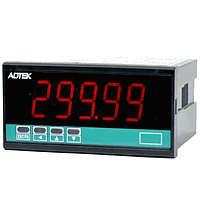
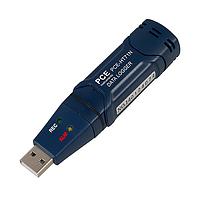
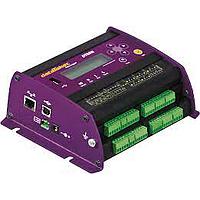
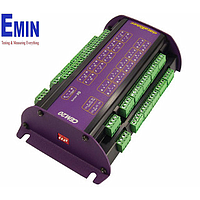
This category includes repair-related solutions associated with manufacturers commonly used in industrial monitoring and measurement environments. Examples in the current range include equipment from PCE, Adtek, and DataTaker. These brands are relevant in applications where data acquisition and logging support plant operation, diagnostics, and reporting.
Representative items shown in this category include the PCE Deal logger for Automation system repair service, Adtek Deal logger for Automation system repair service, and DataTaker Deal logger for Automation system repair service. These examples help illustrate the type of equipment addressed here, without limiting the service context to a single model family or one specific installation pattern.
How to choose the right repair path
Selecting the right service starts with understanding how the logger is used in the system. Some installations rely on the device mainly for historical records, while others depend on it for near-real-time monitoring, exception review, or process correlation. The importance of communication interfaces, channel stability, and data continuity will vary by application, so repair priorities should match the operational role of the unit.
It is also useful to consider whether the fault is isolated to the logger or part of a wider automation issue. For example, communication instability can sometimes be linked to connected devices, power quality, or cabinet conditions rather than the logger alone. In environments where multiple equipment groups are involved, service planning may benefit from looking at broader categories such as SIEMENS equipment repair service when the automation landscape includes mixed-brand systems.
Repair service versus replacement
Replacing a data logger is not always the most efficient path. In many B2B settings, the installed unit is already integrated into existing wiring, software routines, panel layouts, and operating procedures. A repair-first approach can help preserve that setup while restoring the device’s practical function.
Repair may be especially suitable when the logger remains appropriate for the process and the main challenge is a recoverable hardware or operational fault. Replacement, by contrast, can involve additional engineering time, compatibility review, and commissioning effort. For plant teams trying to control maintenance budgets while keeping systems stable, restoring existing equipment can be a practical strategy.
Where this service fits in a broader maintenance strategy
Automation reliability depends on more than controllers and actuators alone. Logging devices support visibility, analysis, and decision-making across production, utilities, environmental conditions, and equipment health. Treating data loggers as part of the critical maintenance ecosystem helps reduce blind spots in plant operation.
For organizations that manage several types of monitoring hardware, it can also be useful to compare this category with other specialized options, including data logger repair services for automation systems as a focused service path within a larger electrical and automated equipment maintenance program. This makes it easier to align repair activity with the actual role of the device in the field.
Support better continuity for data-driven operations
Reliable logging is essential whenever process history, event records, and measured values are used to support operations and maintenance. A failed or unstable logger can create information gaps that affect diagnostics, reporting, and confidence in system performance. By focusing on the actual function of the device inside the automation environment, this category helps buyers and maintenance teams evaluate a practical route to recovery.
If you are reviewing service options for industrial monitoring hardware, this category is designed to support that decision with a clear focus on automation data logger repair, relevant brand coverage, and the broader context of equipment reliability. Choosing the right repair path can help maintain continuity today while extending the value of installed assets over time.
Get exclusive volume discounts, bulk pricing updates, and new product alerts delivered directly to your inbox.
By subscribing, you agree to our Terms of Service and Privacy Policy.
Direct access to our certified experts