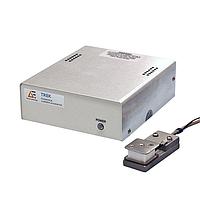
Electrostatic discharge/charge monitoring equipment Repair Service
Stable electrostatic control is essential in electronics manufacturing, semiconductor handling, coating processes, and other environments where charge buildup can affect product quality or equipment reliability. When monitoring devices begin to drift, respond inconsistently, or fail to detect charge conditions correctly, repair service becomes an important part of keeping the overall ESD control system dependable.
Electrostatic discharge/charge monitoring equipment Repair Service is intended for instruments and monitoring devices used to track electrostatic conditions in production and inspection settings. Rather than treating these devices as isolated tools, it helps to view them as part of a broader electrostatic management workflow where detection accuracy, response stability, and long-term repeatability all matter.
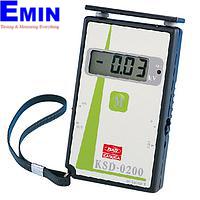
Why repair matters for electrostatic monitoring equipment
Charge monitoring equipment is often used to verify whether an area, process, or device is operating within acceptable electrostatic conditions. If the monitor is no longer reliable, users may face false alarms, missed events, unstable readings, or reduced confidence in process control. In practical terms, that can affect troubleshooting efficiency and the ability to maintain consistent ESD safeguards.
A proper repair approach focuses on restoring functional performance, signal integrity, and dependable monitoring behavior. This is particularly relevant for facilities that rely on these instruments as part of routine maintenance, quality control, or failure analysis. In many cases, repairing a specialized unit is more practical than replacing it immediately, especially when the equipment is already integrated into an established workflow.
Typical equipment covered in this service category
This category relates to service for electrostatic discharge and charge monitoring devices used to observe charge generation, charge decay, discharge events, or related electrical behavior in controlled environments. These instruments may be used on benches, in inspection stations, or within production processes where electrostatic conditions need to be continuously checked or periodically verified.
Representative examples in this category include service support for equipment from Advanced Energy, TREK, KASUGA, and KLEINWACHTER. Typical listed service items include the TREK Electrostatic Discharge/Charger Monitors Repair Service, the Advanced Energy Electrostatic Discharge/Charger Monitors Repair Service, the KLEINWACHTER Electrostatic Discharge/Charger Monitors Repair Service, and the KASUGA Electrostatic Discharge/Charger Monitors Repair Service. These examples help define the scope of the category without limiting it to one specific use case.
Common issues that lead to repair requests
Electrostatic monitoring equipment can develop problems over time due to age, environmental exposure, handling stress, or electrical instability. Users may notice abnormal measurement behavior, poor repeatability, intermittent operation, unresponsive controls, startup faults, or communication issues depending on how the device is used in the field.
Another common reason for service is when the instrument still powers on but no longer inspires confidence in the readings. In electrostatic applications, even small deviations can matter because decisions are often based on trend observation and threshold-based monitoring. Repair service can therefore play a key role in restoring measurement confidence and maintaining continuity in ESD-sensitive operations.
How this service fits into a broader ESD maintenance strategy
Monitoring equipment is only one part of a complete electrostatic control environment. Facilities that maintain multiple ESD instruments often need coordinated support across related device types, especially when troubleshooting process-level issues. For example, a site evaluating charge conditions may also require service for an electrostatic meter repair service if handheld verification tools are used alongside fixed or dedicated monitors.
In the same way, some applications also depend on resistivity checks and material verification. Where that is relevant, surface resistance tester repair service may be part of the same maintenance planning effort. Looking at the instrument ecosystem as a whole often helps reduce downtime and supports a more consistent approach to ESD control.
Considerations when selecting a repair service
For this type of equipment, the right service path should account for the device’s operating role, the importance of reading stability, and the consequences of inaccurate monitoring in the application. Buyers and maintenance teams typically want clear identification of the equipment type, suitable service scope, and support aligned with the original device platform or manufacturer family where possible.
It is also useful to consider the service history of the unit, the symptoms observed in the field, and whether the equipment interacts with other electrostatic devices in the same process. Categories linked to manufacturers such as TREK can be helpful when users need to review related equipment lines or organize support by brand. This is especially relevant in B2B settings where installed bases are often standardized by site, line, or division.
Brand context within this category
The listed manufacturer coverage in this category includes Advanced Energy, TREK, KASUGA, and KLEINWACHTER. These names are useful reference points for buyers searching by installed equipment base, internal asset list, or prior purchasing records. In many organizations, repair inquiries start with the manufacturer name before narrowing down to the specific monitor type or service requirement.
At the same time, the category is best understood by application rather than by brand alone. What matters most is that the equipment belongs to the electrostatic discharge and charge monitoring area and that the service request is aligned with restoring operational reliability. This keeps the page relevant for engineering, maintenance, procurement, and ESD program teams evaluating the right support route.
When to explore related repair categories
Not every electrostatic issue originates from the same class of device. If the problem is connected more closely to ionization hardware, charge removal systems, or downstream neutralization performance, users may need a separate electrostatic eliminator repair service instead of monitoring equipment repair alone.
This distinction is important because monitoring devices, meters, resistance testers, eliminators, and electrostatic supply equipment each play different roles in the control chain. Choosing the most relevant repair category helps speed up evaluation and improves the chance of matching the service request to the actual source of the issue.
Supporting reliable electrostatic control over time
Repair service for electrostatic discharge and charge monitoring equipment supports more than basic fault recovery. It helps maintain the integrity of ESD oversight in environments where static-related problems can be difficult to detect without trustworthy instruments. For facilities that depend on continuous monitoring or periodic verification, keeping these devices in working order is part of maintaining process discipline.
If your operation uses dedicated electrostatic monitoring instruments from brands such as Advanced Energy, TREK, KASUGA, or KLEINWACHTER, this category provides a focused starting point for service selection. A well-matched repair path can help restore functional reliability, reduce uncertainty in charge monitoring, and support more consistent electrostatic control across the wider production environment.
Get exclusive volume discounts, bulk pricing updates, and new product alerts delivered directly to your inbox.
By subscribing, you agree to our Terms of Service and Privacy Policy.
Direct access to our certified experts