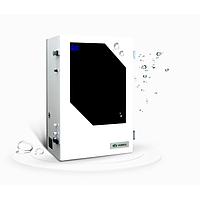
Aluminum Meter Repair Service
Reliable measurement depends not only on the instrument itself, but also on how well it is maintained after long-term use in production, inspection, and laboratory environments. When an aluminum meter starts showing unstable readings, slow response, display issues, or suspected sensor drift, a professional Aluminum Meter Repair Service helps restore usability and supports more consistent measurement performance.
This service category is intended for businesses that rely on environmental and analytical instruments in routine operations. Whether the issue involves accuracy concerns, physical damage, power problems, or general wear from daily use, repair work should focus on identifying the fault, assessing the condition of key components, and returning the device to dependable working condition where feasible.

Why aluminum meter repair matters in real operating environments
In many industrial and technical settings, portable and bench instruments are expected to deliver stable results over repeated measurement cycles. Exposure to dust, humidity, transport vibration, aging electronic parts, and accidental impact can gradually affect instrument behavior. Repair service becomes especially important when replacing the entire unit is not the first or most practical option.
A structured repair process helps reduce unnecessary downtime and supports equipment life-cycle management. For companies managing multiple environmental instruments, timely service can also improve planning for maintenance, verification, and operational continuity.
Typical issues addressed by this service
Aluminum meters may develop faults that are easy to notice, such as failure to power on, broken screens, damaged connectors, or keypad malfunction. Other problems are less obvious, including drifting values, intermittent operation, unstable output, or readings that no longer align with expected process conditions.
Repair work generally starts with fault diagnosis. This may include inspection of the power section, display and interface condition, internal boards, signal paths, and any measurement-related assemblies. The goal is not simply to make the instrument turn on again, but to identify the cause of the failure and determine whether practical restoration is possible.
What to expect from a professional repair workflow
A useful repair service for this category should go beyond surface-level fixes. The instrument is typically checked for visible damage, operating symptoms, and overall condition before corrective work is performed. Depending on the fault, service may involve component-level repair, replacement of worn or damaged parts, cleaning of internal sections, and functional verification after the repair is completed.
For buyers and maintenance teams, the main value lies in a clearer service path: problem identification, repair action, and confirmation that the unit operates normally again. This is particularly important in B2B environments where instruments support quality control, testing routines, or compliance-related measurement tasks.
HUMAS service support in this category
For users working with HUMAS instruments, this category includes the HUMAS Aluminum Repair Service as a relevant option. It can be used as a reference point when looking for support related to aluminum meter troubleshooting, maintenance needs, or recovery from operational faults.
When reviewing a service listing, it is helpful to consider the instrument condition, the type of error observed, and whether the issue appears mechanical, electrical, or measurement-related. That context can make the repair request more efficient and help the service process move faster.
How to decide whether repair is the right next step
Not every instrument problem requires immediate replacement. Repair is often worth considering when the device is part of an established workflow, when the issue appears localized, or when the instrument still has practical service life remaining. In contrast, severe physical damage, extensive corrosion, or multiple subsystem failures may require broader evaluation before proceeding.
For purchasing teams and maintenance personnel, a practical approach is to review the symptoms, usage history, and criticality of the instrument in the process. If the meter is used for routine monitoring or product-related checks, restoring reliable operation may be more cost-effective and less disruptive than changing to a different platform.
Related repair services for environmental instruments
Organizations that manage several types of environmental measurement devices often need support across more than one instrument category. If your maintenance scope extends beyond aluminum meters, related services such as water activity meter repair or dew point meter repair may also be relevant.
For facilities involved in broader environmental monitoring and testing, it can also be useful to review light meter repair services. Looking at related service categories helps maintenance teams organize support by instrument type and reduce delays when multiple devices require attention.
Information that helps speed up repair handling
Before submitting an instrument for service, it is useful to prepare a short description of the problem. Include the observed fault, how often it occurs, whether the unit powers on, and whether the issue appeared after transport, impact, storage, or prolonged use. Even simple notes can help narrow down the probable cause.
It is also practical to provide the exact model identification when available, along with any previous repair history or maintenance notes. Clear information supports troubleshooting, improves communication, and helps determine the most appropriate repair path from the start.
Choosing a repair service with long-term value
A good service category page should help buyers and technical users quickly understand whether the offering matches their instrument type and maintenance need. In the case of aluminum meter repair, the priority is not broad marketing claims, but a dependable service path that supports diagnosis, restoration, and return to operation.
If your instrument is showing performance issues or has stopped functioning as expected, this category provides a practical starting point for evaluating instrument repair options. Reviewing the service scope, sharing accurate fault details, and comparing related repair categories can help you make a more informed maintenance decision.
Get exclusive volume discounts, bulk pricing updates, and new product alerts delivered directly to your inbox.
By subscribing, you agree to our Terms of Service and Privacy Policy.
Direct access to our certified experts