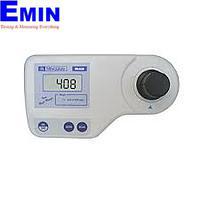
Iron content meter Repair Service
When an iron content meter starts showing unstable readings, slow response, or failed self-checks, the impact goes beyond a single instrument. In water treatment, process monitoring, laboratory work, and field analysis, measurement reliability affects decisions, product quality, and compliance workflows. A professional Iron content meter Repair Service helps restore instrument performance so testing can continue with greater confidence.
This service category is intended for organizations that rely on iron measurement equipment and need practical support for fault diagnosis, repair, and return-to-operation planning. It is relevant for portable meters and analyzers used to monitor iron concentration in various samples, especially where repeatability and dependable operation matter in day-to-day work.
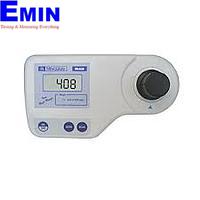
Why iron content meter repair matters
Iron analysis instruments are often used in environments where sample quality, handling conditions, and operating frequency can put stress on sensors, optics, electronics, and user interfaces. Over time, normal wear, contamination, drift, connection issues, or damage from transport and storage may affect how the device behaves. Repair service is therefore not only about fixing a failure, but also about recovering measurement stability and improving the instrument’s usable life.
For many B2B users, replacing every faulty unit immediately is not always the most efficient option. Repair can be a practical route when the instrument remains important to an existing workflow, especially for teams that want to keep familiar operating procedures in place and reduce disruption in routine testing.
Typical issues seen in iron analyzers and meters
Service requests for iron content meters usually begin with symptoms rather than a confirmed fault. Common concerns include instruments that do not power on correctly, displays that become difficult to read, unstable values during repeated measurement, keypad or button malfunction, charging problems, or communication errors with related accessories. In some cases, users also report abnormal calibration behavior or inconsistent results between similar samples.
Because iron measurement can depend on proper optical or electrochemical performance, even a small internal problem may lead to unreliable output. A structured repair process helps identify whether the issue is related to the sensing path, electronic board, connectors, housing condition, battery system, or general instrument wear. If your maintenance scope also includes other environmental testing tools, related support may be useful for equipment such as light meter repair service when multiple field devices are managed together.
Supported brands and example repair cases
This category includes service support for well-known instrument lines such as HANNA, MILWAUKEE, and HUMAS where applicable within the listed service offering. These brands are commonly referenced by buyers who need repair for established iron testing equipment and want a service path aligned with the original instrument family.
Representative examples in this category include the HANNA Iron Content Meter Repair Service, MILWAUKEE Iron Content Meter Repair Service, and HUMAS Iron Analyzer Repair Service. These listings help clarify the scope of supported equipment types without turning the page into a model list. The goal is to make it easier for procurement teams, labs, and maintenance departments to identify a relevant repair route for their installed base.
What a professional repair workflow usually covers
A solid instrument repair workflow typically starts with fault assessment. This may include inspection of the device condition, confirmation of reported symptoms, and evaluation of whether the problem is mechanical, electrical, or related to measurement performance. From there, the service process can move into component-level troubleshooting, replacement of failed parts where needed, functional restoration, and final operational checks.
For iron content meters, repair quality is especially important because users depend on consistent operation after the instrument returns to service. In practice, this means attention should be paid not only to powering the device back on, but also to response behavior, display usability, control input, and overall readiness for normal testing routines. Where companies maintain a wider fleet of environmental instruments, it may also be useful to review related services such as dew point meter repair to streamline maintenance planning across departments.
How to decide whether repair is the right option
The decision to repair an iron analyzer should consider operational value, downtime cost, instrument age, and how closely the unit fits your current process. If staff are already trained on a specific device and the instrument remains integrated into routine testing, repair may be the more practical path compared with immediate replacement. This is often the case in laboratories, utility operations, and quality control environments where process continuity matters.
It also helps to prepare a clear description of the fault before sending the unit for service. Notes such as when the problem started, whether the issue is constant or intermittent, what sample conditions were involved, and whether the device has experienced drops, liquid exposure, or charging problems can make diagnosis more efficient. Better failure information often leads to faster handling and a more accurate service recommendation.
Service value for laboratories, utilities, and industrial users
Iron content meters are used in a range of technical settings, from water quality checks to process support and general analytical verification. In these environments, keeping instruments operational is part of broader asset management. A dependable repair service supports reduced downtime, better use of existing equipment, and more predictable maintenance budgeting.
For companies handling different test parameters, it is often more efficient to manage service needs across multiple instrument types instead of treating each issue separately. That is why users browsing this category may also be interested in water activity meter repair service or alcohol meter repair service when maintaining a broader testing portfolio.
What to prepare before requesting repair
Before submitting an instrument, it is useful to confirm the brand, product name, visible fault symptoms, and any previous service history if available. A concise issue summary can help avoid delays during intake. If the device powers on, noting the exact error behavior, startup condition, or measurement pattern can also support more effective troubleshooting.
Packaging and transport should also be handled carefully, especially for instruments used in fieldwork or frequent movement between sites. Proper protection during shipment reduces the chance of additional damage and helps ensure that the repair evaluation reflects the original fault rather than transport-related impact.
Choosing a repair path that fits your operation
Repair service for iron content meters is most valuable when it supports real operational needs: restoring usable performance, limiting downtime, and extending the service life of instruments that still have a place in your workflow. Whether you are managing a single analyzer or a larger fleet across laboratory and industrial applications, a structured repair approach helps you make better maintenance decisions.
By focusing on the actual fault, the role of the instrument in your process, and the appropriate service scope for brands such as HANNA, MILWAUKEE, and HUMAS, this category provides a practical starting point for getting iron measurement equipment back into working condition.
Get exclusive volume discounts, bulk pricing updates, and new product alerts delivered directly to your inbox.
By subscribing, you agree to our Terms of Service and Privacy Policy.
Direct access to our certified experts