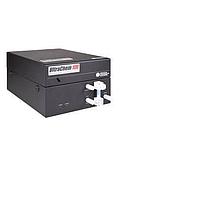
Liquid Particle Counter Repair Service
Reliable particle counting depends on more than a working display or a successful power-on check. In water treatment, clean utility monitoring, laboratory work, and contamination control, even small performance drift can affect data quality, trend analysis, and maintenance decisions. When a counter starts showing unstable readings, slow response, sample handling issues, or communication faults, a dedicated Liquid Particle Counter Repair Service helps restore dependable operation.

Why repair support matters for liquid particle counting systems
Liquid particle counters are used where suspended particle measurement plays a direct role in process visibility and product quality. Because these instruments combine optical sensing, fluid handling, electronics, and signal processing, faults may appear in different ways: irregular counts, unstable baselines, sampling inconsistency, or failure to communicate with surrounding systems.
A structured repair service is useful when the instrument must return to practical working condition without guesswork. Instead of replacing equipment prematurely, many users first need a technical assessment, fault isolation, and service work aligned with the actual instrument type and its operating environment.
Typical issues that may require repair
Service requests often begin when the instrument behavior no longer matches normal operating expectations. That can include intermittent startup problems, measurement drift, abnormal particle count patterns, clogged or inconsistent liquid paths, or output issues that interfere with reporting and integration.
Instruments used in routine monitoring may also suffer from wear related to repeated sampling cycles, contamination exposure, aging components, or handling and transport stress. For these cases, repair service supports troubleshooting at the system level rather than treating every symptom as a calibration-only problem.
- Unstable or inconsistent count results
- Sampling or flow-related faults
- Display, interface, or communication errors
- Power, control board, or internal electronics issues
- Performance concerns discovered during inspection or maintenance
Support across common brands and system types
This category is relevant for users working with instruments from HACH, TSI, and PMS, which are frequently specified in liquid particle monitoring workflows. Different manufacturers may use different system architectures, interfaces, and fluid handling designs, so repair work should follow the practical requirements of the actual platform in use.
Examples in this category include the PMS Liquid Particle Counter Repair Service, the HACH Liquid Particle Counting System Repair Service, and related support for TSI instruments where aerosol and particle generation equipment may sit within a broader contamination measurement workflow. The goal is not simply to make a device power on again, but to address faults that affect usable measurement performance.
What to consider before sending an instrument for service
A faster repair process usually starts with clear information from the user side. If available, it helps to provide the model reference, a brief fault description, recent operating symptoms, and whether the issue is constant or intermittent. Notes about the liquid type, application environment, and any recent transport or maintenance history can also improve early diagnosis.
For systems used in regulated or quality-sensitive environments, documenting the failure mode is especially valuable. A unit that appears functional may still require internal inspection if there are signs of drift, contamination, unstable sampling behavior, or unexpected differences between runs.
Repair, inspection, and related service workflow
A practical service path typically begins with instrument evaluation and fault confirmation. From there, repair actions may involve component-level troubleshooting, restoration of affected assemblies, functional checks, and verification that the unit is ready for return to operation. The exact scope depends on the condition of the instrument and the symptoms reported.
In many facilities, repair is part of a wider equipment support strategy that also includes maintenance and performance verification for adjacent instruments. If your site manages multiple environmental or process measurement devices, related categories such as dew point meter repair service or water activity meter repair service may also be relevant.
How to evaluate the right service option
Choosing the right support for a particle counter usually depends on application criticality, equipment age, symptom severity, and the operational impact of downtime. Some users need repair because the unit has already failed, while others act earlier when they see questionable trends or irregular field performance.
For B2B buyers, the key question is whether the service can help recover stable, repeatable use of the instrument in the intended workflow. That is particularly important when the counter supports contamination checks, process monitoring, or internal quality documentation where unreliable readings can create wider operational uncertainty.
When repair is the practical choice
Repair is often the sensible option when the instrument remains relevant to the current process, replacement lead times are inconvenient, or the fault appears limited to serviceable subsystems. It can also be a good path when a known instrument platform is already integrated into operating procedures and users want continuity rather than a full equipment change.
For organizations maintaining mixed environmental instrumentation, it is also helpful to review adjacent support categories such as light meter repair service. This supports a more consistent maintenance approach across different measurement assets rather than handling each instrument type in isolation.
Choosing service with confidence
A well-handled liquid particle counter repair should focus on restoring dependable operation, not just addressing a visible fault. Whether the instrument is part of laboratory testing, water system monitoring, or broader contamination control work, service quality matters because the output data is used to support real technical decisions.
If your system shows unstable counts, sampling issues, or suspected hardware faults, this category helps you identify relevant repair support for major instrument types and brands in scope. Reviewing the available service options is a practical next step toward returning critical measurement equipment to consistent use.
Get exclusive volume discounts, bulk pricing updates, and new product alerts delivered directly to your inbox.
By subscribing, you agree to our Terms of Service and Privacy Policy.
Direct access to our certified experts