
Manganese Meter Repair Service
When a manganese meter starts drifting, responding slowly, or failing to hold calibration, the impact is rarely limited to one reading. In water treatment, environmental monitoring, and process control, unstable measurements can affect reporting accuracy, maintenance planning, and day-to-day operating decisions. A focused Manganese Meter Repair Service helps restore instrument performance so the device can return to reliable analytical work.
This service category is intended for organizations that rely on manganese measurement in routine testing or compliance-related workflows. Whether the issue is related to sensor response, display behavior, signal stability, or general instrument wear, proper repair work supports longer equipment life and reduces the risk of replacing a unit before it is truly necessary.
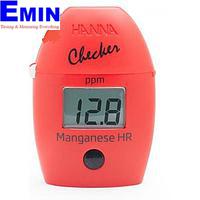
Why manganese meter repair matters
Manganese measurement is often part of a wider water quality or environmental testing program, where consistency matters as much as the measurement itself. If the instrument produces erratic values or needs repeated adjustment, users may spend more time verifying results than completing actual testing. Repair service is therefore not only about fixing a fault, but also about restoring confidence in the measurement process.
For many facilities, a repair decision makes practical sense when the instrument remains important to existing workflows, accessories, or established operating procedures. In these cases, diagnosis, corrective repair, and functional recovery can be more efficient than changing to a different platform and retraining operators.
Common issues seen in manganese meters
Symptoms can appear in different ways depending on the instrument design and how it has been used in the field or laboratory. Some units show unstable readings, unexpected offsets, slow stabilization, communication problems, or power-related faults. Others may appear to function normally but no longer provide repeatable results under the same testing conditions.
Environmental instruments are also exposed to routine stress over time, including handling, contamination, aging components, and general wear in connectors or internal assemblies. A structured repair approach helps identify whether the root cause is linked to sensing elements, electronics, user interface components, or supporting hardware rather than assuming the entire device has reached end of life.
What a repair service typically addresses
A professional service process usually starts with instrument evaluation. This step helps determine the reported fault, confirm the actual behavior of the meter, and separate user-side setup issues from genuine hardware or internal performance problems. From there, repair work may involve component-level correction, cleaning, replacement of worn parts where appropriate, and verification that the unit operates as intended.
For B2B users, the value of repair is not only technical but operational. A well-handled service workflow can support reduced downtime, better maintenance planning, and improved traceability for equipment used in regulated or quality-sensitive environments. Where applicable, organizations may also pair repair with calibration or performance checking to confirm the instrument is ready for return to service.
When to send a manganese meter for service
It is generally worth arranging repair when the meter shows repeated measurement inconsistency, unusual startup behavior, display errors, failed self-checks, or signs of physical damage affecting operation. Instruments that have been stored for long periods or used in demanding environments may also benefit from inspection before they are put back into regular use.
Early service can prevent small faults from becoming more disruptive problems. For example, an intermittent issue that appears only during certain test cycles may later develop into a complete operational failure. Addressing the problem sooner often makes troubleshooting more straightforward and helps avoid unnecessary interruption to testing schedules.
How repair fits into broader environmental instrument maintenance
Manganese measurement is often part of a larger set of environmental and process monitoring tasks. Many organizations manage several specialized instruments at once, each with different maintenance intervals and service needs. Keeping these devices in working order supports continuity across the full testing program, especially when data from multiple instruments is reviewed together.
If your maintenance scope also includes other environmental testing equipment, related service categories may be relevant. For example, teams working with moisture or packaging quality control may also need water activity meter repair support, while humidity-focused applications may benefit from dew point meter service.
Choosing the right service approach
Not every instrument fault requires the same level of intervention. Some cases are straightforward and involve restoring normal operation after targeted repair, while others may require a more detailed technical assessment because the symptom does not immediately reveal the underlying cause. A good service approach begins with clear fault reporting, operating history, and any information about previous calibration or maintenance activity.
For procurement and maintenance teams, it is also useful to consider turnaround expectations, the criticality of the instrument in production or laboratory workflows, and whether there are similar devices in the same fleet that may need attention. This helps create a more efficient service plan rather than treating each failure as an isolated event.
Related repair needs in multi-instrument environments
Facilities that handle environmental measurement often work across several parameter types, especially where testing spans field inspection, utilities, laboratories, or building conditions. In such setups, a manganese meter may be only one part of a broader maintenance picture that also includes optical, radiation, or chemical measurement tools.
Depending on the application, you may also want to review light meter repair services or radiation, heat stress, solar, and UV meter repair if your organization maintains a wider portfolio of environmental instruments. Linking service planning across related devices can simplify maintenance administration and reduce unplanned downtime.
Support long-term measurement reliability
A manganese meter that is repaired at the right time can continue to serve as a dependable part of your testing workflow. The goal is not simply to restore power or basic operation, but to bring the instrument back to a condition where it can support repeatable, practical use in real operating environments.
If your unit is showing unstable readings, operational faults, or signs of declining performance, this category is the right place to start. A structured repair and evaluation process helps determine the actual issue, supports better maintenance decisions, and keeps essential environmental measurement equipment working longer and more reliably.
Get exclusive volume discounts, bulk pricing updates, and new product alerts delivered directly to your inbox.
By subscribing, you agree to our Terms of Service and Privacy Policy.
Direct access to our certified experts