Radiation, Heat, Stress, Solar, UV Meter Repair Service
When environmental instruments start drifting, failing to power up, or showing unstable readings, the impact goes beyond a single device. In field inspections, HVAC work, occupational safety checks, solar assessments, and laboratory monitoring, unreliable measurement tools can slow down decisions and create uncertainty in reporting. This is where Radiation, Heat, Stress, Solar, UV Meter Repair Service becomes especially valuable for keeping specialized instruments usable and dependable.
This service category focuses on repair support for meters used to evaluate thermal conditions, radiant energy, solar intensity, and related environmental exposure parameters. Because these instruments are often used in demanding workplaces, repair needs may involve sensor issues, display problems, charging or power faults, damaged housings, or measurement instability after long-term use.
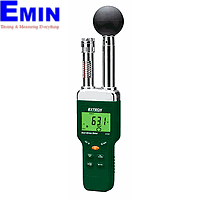
Repair support for specialized environmental meters
Compared with general handheld testers, heat stress meters, solar meters, and UV-related instruments are more application-specific. They are commonly used where environmental exposure must be checked in a practical, repeatable way, such as workplace safety assessments, building performance studies, and outdoor measurement tasks. Because of that, repair work needs to consider not only whether the unit turns on, but also whether its sensing and operating functions remain stable for real use.
This category is relevant for users handling instruments from brands such as FLUKE, EXTECH, PCE, Sauermann, skSATO, and TENMARS. Brand familiarity matters in service planning because each product family may differ in layout, sensor arrangement, accessories, and expected operating environment.
Common instruments covered in this category
The scope typically includes service requests related to heat meters, heat stress meters, solar meters, radiation-related handheld meters, and UV measurement devices. These tools are often used to assess exposure conditions rather than simple electrical values, so users usually expect practical reliability, readable displays, and consistent response in changing ambient conditions.
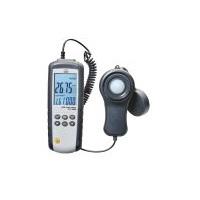
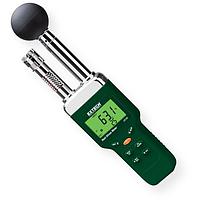
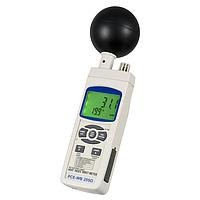
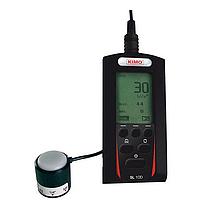
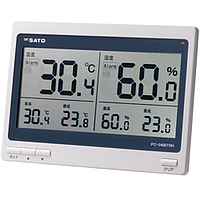
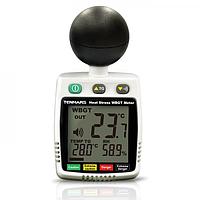
Examples within this category include the TENMARS Heat stress meter Repair Service, skSATO Heat Meter Repair Service, KIMO Heat Meter Repair Service, PCE Heat Meter Repair Service, FLUKE Solar Meter Repair Service, and EXTECH Solar meter Repair Service. These examples illustrate the range of instruments supported, from heat-focused devices to solar measurement equipment used in field evaluation and maintenance workflows.
Typical issues that lead to repair requests
Many repair cases begin with symptoms that seem minor but affect day-to-day work significantly. A meter may power on but show unstable values, respond slowly, fail to complete normal startup, or suffer from broken keys and damaged connectors. In outdoor and industrial settings, meters are also exposed to dust, heat, sunlight, transport vibration, and occasional impact, all of which can contribute to wear over time.
For heat stress and solar applications, sensor-related performance is often a practical concern. Users may notice that measurements no longer appear consistent with prior field results, or that the instrument behaves differently across operating conditions. In these situations, repair service helps determine whether the issue is linked to the sensing element, power section, interface components, or general hardware deterioration.
Why repair is still a practical option
Replacing a specialized environmental meter is not always the most efficient path, especially when the device is part of an established inspection routine or used within a documented process. Repair can help extend equipment life, reduce downtime, and preserve familiarity for technicians who already know the instrument’s operating method.
This is particularly relevant for application-specific models where form factor, workflow, and measurement purpose matter just as much as the basic function. A repair decision is often practical when the instrument fits the job well and the main need is to restore dependable operation rather than change the whole measurement setup.
How to choose the right service path
Before sending a unit for service, it helps to identify the observed fault as clearly as possible. Useful details include whether the display is blank, whether the unit powers on intermittently, whether readings drift, and whether the issue started after impact, battery leakage, storage, or field exposure. A clear symptom description supports faster evaluation and helps determine the likely repair scope.
If your organization manages multiple types of environmental instruments, it can also be useful to review related service categories such as light meter repair service or dew point meter repair service. This makes it easier to consolidate support for different instruments used across the same maintenance or inspection program.
Brand and model context for repair planning
Different brands often serve different user preferences and field environments. FLUKE and EXTECH are frequently associated with portable field instruments, while PCE, Sauermann, skSATO, and TENMARS are also commonly seen in environmental monitoring and practical site measurement tasks. Mentioning the exact brand and service history when arranging repair can help streamline intake and assessment.
From a maintenance perspective, model-specific handling matters more than broad assumptions about product type. A heat stress meter may combine multiple environmental inputs in one handheld unit, while a solar meter may prioritize stable surface or ambient light-related response for site verification work. The repair approach should therefore match the instrument’s intended measurement role.
Supporting broader environmental instrument maintenance
Organizations rarely use only one environmental meter. A safety team, facility department, contractor, or testing lab may work with several handheld devices for temperature-related exposure, solar evaluation, light checks, or moisture-related conditions. Planning repair by instrument group can simplify asset management and reduce avoidable interruptions.
For companies maintaining a wider instrument pool, adjacent services such as water activity meter repair service may also be relevant. Grouping service needs this way helps align maintenance activity with actual operational workflows rather than treating each instrument as an isolated case.
What this category helps you address
Environmental meter repair in this category is intended for users who need support with specialized devices used for heat, stress, solar, radiation, and UV-related measurement tasks. Whether the issue involves startup failure, unstable readings, physical damage, or performance concerns during field use, a structured repair path can help restore practical functionality and extend the useful life of the instrument.
If your team depends on these meters for inspections, compliance-related checks, or technical service work, choosing the right repair category is a sensible first step. With a clear understanding of the instrument type, brand, and symptoms observed, it becomes easier to move toward a repair solution that fits your actual operating needs.
Get exclusive volume discounts, bulk pricing updates, and new product alerts delivered directly to your inbox.
By subscribing, you agree to our Terms of Service and Privacy Policy.
Direct access to our certified experts