Phosphate Meter Repair Service
Accurate phosphate measurement is critical in water treatment, environmental monitoring, aquaculture, laboratory work, and process control. When a meter starts showing unstable readings, slow response, display errors, or calibration problems, timely repair helps restore measurement reliability and reduces the risk of incorrect decisions based on bad data. This page covers Phosphate Meter Repair Service options for users who need dependable support for damaged, drifting, or non-responsive instruments.
Why phosphate meter repair matters
Phosphate meters are used where water quality data directly affects compliance, product quality, equipment condition, or biological balance. Even a small measurement error can create problems in nutrient control, wastewater discharge checks, boiler and cooling water programs, or laboratory verification workflows.
A professional repair service is often the right choice when the instrument still has operational value but no longer performs as expected. Instead of replacing equipment immediately, users can assess the condition of the meter, identify the fault source, and return it to service with better confidence in day-to-day readings.
Common issues seen in phosphate meters
Many phosphate meter failures are not obvious at first. The device may still power on, but readings may drift, calibration may not hold, or measurement cycles may become inconsistent. In other cases, the instrument may have damaged buttons, connector issues, display faults, sensor communication problems, or contamination affecting normal operation.
Repair work typically starts with a practical evaluation of the instrument’s behavior. This helps distinguish between faults caused by electronics, wear, handling damage, environmental exposure, or accessory-related issues. For users managing multiple analytical instruments, similar service approaches may also apply to related categories such as water activity meter repair service when stable measurement performance is equally important.
What to expect from a repair service process
A structured repair workflow usually includes initial inspection, fault diagnosis, service recommendations, repair actions, and final functional verification. This process is important because phosphate measurement depends on more than simple power-on status; the instrument must also respond consistently and support normal operating use.
Depending on the condition of the unit, service may address internal electronic faults, interface problems, worn parts, or operating instability. The purpose is not only to restore basic function, but to improve measurement stability and usability so the meter can return to routine field or laboratory work with fewer interruptions.
Supported brands and representative service options
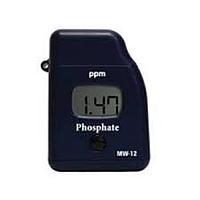
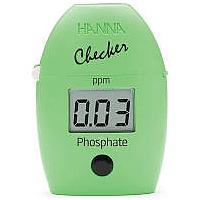
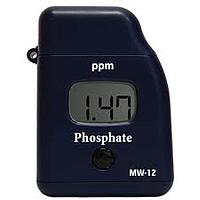
This category includes repair support related to instruments from brands such as MILWAUKEE and HUMAS. Representative listings in this category include the MILWAUKEE Phosphate Meter Repair Service, HUMAS Phosphate Meter Repair Service, and HANNA Phosphate Meter Repair Service. These examples help illustrate the scope of service coverage for phosphate testing equipment used in practical water analysis tasks.
When reviewing a repair option, it is useful to match the service with the instrument brand, operating condition, and actual fault symptoms. Not every issue presents the same way, and a model that appears to have a simple display problem may also have deeper performance or calibration-related concerns that need proper inspection.
How to decide between repair and replacement
The decision often depends on the age of the meter, severity of the fault, availability of support, and the role of the instrument in your workflow. If the meter is part of an established testing routine and operators are familiar with it, repair can be a practical way to extend equipment life and avoid unnecessary process changes.
Replacement may make more sense if the unit has extensive damage or if the total cost of restoring it no longer fits the application. However, for many users, a repair assessment is still valuable because it clarifies whether the problem is minor, recurring, or likely to affect future reliability. This same evaluation mindset is useful across other instrument categories, including dew point meter repair service and light meter repair service where application accuracy also matters.
Information that helps speed up service handling
Before sending a phosphate meter for repair, it helps to prepare a clear description of the issue. Useful details include the brand, service history, operating environment, visible damage, error behavior, and whether the fault is constant or intermittent. This kind of information can shorten diagnosis time and improve service efficiency.
If the meter is used in regulated or quality-sensitive operations, it is also helpful to note how the instrument is applied in the process. Knowing whether it is used for spot checks, routine monitoring, laboratory verification, or environmental testing gives better context for the expected performance requirements after repair.
Choosing the right repair support for phosphate measurement equipment
A good service choice should align with the actual use of the instrument, not just the product name. Users typically benefit from a repair path that focuses on fault identification, functional recovery, and practical readiness for continued use. For organizations maintaining several environmental instruments, it can also be useful to review nearby service categories such as radiation, heat, stress, solar, and UV meter repair when broader maintenance planning is needed.
Whether the issue involves unstable readings, startup failure, or reduced operating confidence, instrument repair remains an important option for protecting the value of existing equipment. A well-matched phosphate meter service helps users restore function, reduce downtime, and maintain more consistent analytical results across daily operations.
Get exclusive volume discounts, bulk pricing updates, and new product alerts delivered directly to your inbox.
By subscribing, you agree to our Terms of Service and Privacy Policy.
Direct access to our certified experts