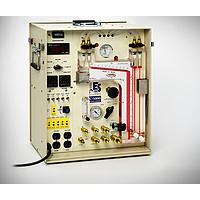
Emissions Gas Sampler Repair Service
Accurate emissions sampling depends on more than the analyzer alone. When the gas sampler becomes unstable, contaminated, slow to respond, or difficult to calibrate, the reliability of the entire measurement process can be affected. A professional Emissions Gas Sampler Repair Service helps restore performance so monitoring, testing, and compliance-related work can continue with fewer interruptions.
This category is focused on repair support for emissions gas sampling equipment used in industrial, environmental, and process measurement applications. Whether the issue involves sampling flow, internal wear, signal instability, contamination from harsh gases, or general service needs after long operating hours, repair work should be approached with attention to both instrument condition and the demands of the measurement environment.
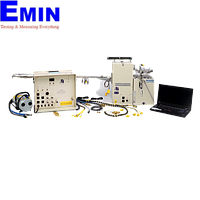
Why emissions gas sampler repair matters
In emissions monitoring, the sampler plays a critical role in moving representative gas from the source to the measurement system. If the sampling stage is compromised, downstream readings may become inconsistent even when the analyzer itself appears to be functioning normally. This is why repair service is not just about fixing a broken device; it is about protecting measurement integrity across the whole system.
Typical service needs can arise from clogged paths, pump wear, leaks, degraded seals, contamination buildup, unstable flow behavior, or electronic faults. Over time, these issues can affect repeatability, response time, and confidence in the collected sample. For facilities that depend on routine reporting, process verification, or stack and exhaust assessment, timely repair can reduce the risk of prolonged downtime.
Common service situations for emissions sampling equipment
Emissions gas samplers often operate in demanding conditions where moisture, particulates, corrosive compounds, and temperature variation are part of normal use. These factors can gradually reduce performance, especially when sampling components are exposed to difficult gas streams over long periods. Repair service is commonly required when operators notice drift in sampling behavior, poor suction, irregular readings, or startup problems.
Another common case is preventive intervention after extended field use. Even if the instrument still powers on, internal parts may no longer perform as expected under real operating conditions. In these situations, repair and condition assessment can help determine whether the unit should be restored, cleaned, adjusted, or inspected further before being returned to service.
What a repair service typically addresses
A structured repair process usually starts with fault evaluation and inspection of key functional sections. For emissions sampling devices, this may include checking the condition of the gas path, pump-related components, connections, filters, seals, internal electronics, and signal behavior. The goal is to identify the root cause of performance loss rather than only treating visible symptoms.
Service can also involve functional restoration after contamination or mechanical wear. This is particularly important for samplers used in environments where deposits and residue can interfere with stable operation. For users working with broader gas instrumentation fleets, related support may also be relevant for combustion and emission gas analyzer repair when the sampling stage and analyzer performance need to be reviewed together.
Repair service for Environmental sampling equipment
This category includes support relevant to the Environmental brand, including the Environmental Emissions Gas sampler Repair Service listed in this catalog. When working with brand-specific equipment, repair should take into account the original product architecture, intended operating conditions, and the role of the sampler within the larger measurement setup.
For B2B users, that matters because emissions monitoring devices are rarely used in isolation. They are often part of a wider workflow that may include conditioning, transfer, detection, logging, or reporting. A repair service aligned with the actual application can help ensure the restored unit is suitable for practical field or plant use rather than only passing a basic bench check.
How to decide when repair is the right option
Repair is often the right path when the sampler still has a sound core structure but no longer delivers dependable operation. Signs include unstable sampling behavior, recurring alarms, poor repeatability, difficulty maintaining normal function, or visible degradation in components exposed to the gas stream. In many cases, addressing these issues early helps avoid more extensive damage.
It is also useful to compare the sampler's role with the rest of the measurement chain. If the surrounding instruments seem normal but data quality remains questionable, the sampling stage deserves closer attention. Facilities managing multiple gas monitoring devices may also need support across adjacent service categories, such as fixed gas meter repair or air quality meter repair, depending on the installed system.
Points to consider before sending a unit for service
Before arranging repair, it helps to document the instrument condition as clearly as possible. Useful information may include the observed fault, recent operating environment, frequency of use, whether contamination is suspected, and what symptoms appear during startup or measurement. This kind of background makes troubleshooting more efficient and improves the chance of identifying intermittent or application-related issues.
Users should also consider whether the fault may be connected to upstream or downstream equipment. Sampling problems can sometimes be mistaken for analyzer faults, and vice versa. If the system includes gas drying or conditioning stages, related maintenance needs may also be worth reviewing, including air dryer repair service where moisture handling is part of the measurement setup.
Supporting reliable operation after repair
Once a sampler has been repaired, long-term performance depends heavily on how it is used and maintained in the field. Clean operating practices, routine inspection, timely replacement of wear-related consumables, and attention to contamination risks can all help extend service life. This is especially important for equipment exposed to harsh process streams or outdoor environmental conditions.
For organizations responsible for periodic emissions checks or continuous monitoring workflows, a repair service should be seen as part of a broader equipment reliability strategy. Keeping the sampling stage in good condition supports more stable operation, improves confidence in gas measurement results, and helps reduce avoidable downtime across the monitoring system.
Choosing the right repair path for emissions gas samplers
Not every fault presents itself in the same way, and not every service requirement is purely electronic or purely mechanical. Emissions gas samplers combine flow handling, gas contact materials, and instrument control functions, so repair decisions should reflect the actual service environment and the importance of sampling quality to the final result. A careful repair approach is therefore especially valuable in industrial and environmental measurement work.
If your equipment is showing signs of reduced sampling performance, irregular operation, or contamination-related issues, this category provides a focused starting point for evaluating repair options. For companies that rely on dependable gas monitoring, restoring the sampler properly can be an effective step toward more consistent measurement and smoother day-to-day operation.
Get exclusive volume discounts, bulk pricing updates, and new product alerts delivered directly to your inbox.
By subscribing, you agree to our Terms of Service and Privacy Policy.
Direct access to our certified experts