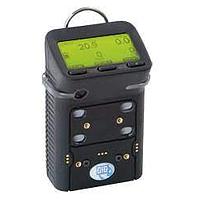
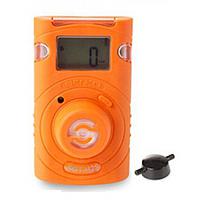
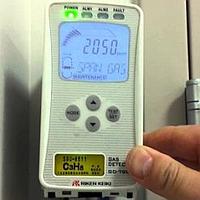
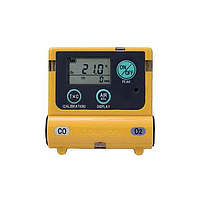
Fixed gas meter Repair Service
When a fixed gas monitoring system starts showing unstable readings, alarm faults, communication errors, or sensor drift, the issue is rarely just an inconvenience. In industrial environments, these devices support safety, compliance, and continuous process oversight, so timely service matters. This page is focused on Fixed gas meter Repair Service for facilities that need practical support to restore dependable performance.
Repair work for fixed gas detection equipment typically goes beyond replacing a single damaged part. It often involves fault diagnosis, evaluation of sensing performance, inspection of wiring or signal paths, and verification that the instrument can return to normal operation within the broader monitoring system. That is especially important in plants where gas detection is integrated into alarms, ventilation, shutdown logic, or site-wide safety procedures.
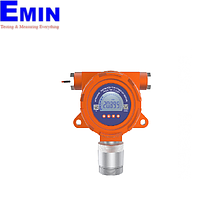
Why fixed gas meters need specialized repair attention
Fixed gas meters operate continuously in demanding conditions, often exposed to dust, humidity, vibration, temperature variation, or corrosive atmospheres. Over time, those conditions can affect sensor stability, electronics, displays, relays, or communication interfaces. Even if a unit still powers on, that does not automatically mean the readings remain reliable for safety-critical use.
A proper repair approach should look at the instrument as part of a working detection point, not as an isolated device. This includes checking the likely cause of failure, identifying whether the issue is sensor-related or electronic, and understanding how the repaired unit will perform once reinstalled in the field. For organizations managing multiple gas safety assets, this is also a useful point to review whether related equipment may require support, such as single gas meter repair service for portable instruments used alongside fixed systems.
Common repair scenarios in fixed gas detection systems
Service requests for fixed gas meters often begin with symptoms rather than a clear diagnosis. A detector may fail to initialize, generate repeated fault alarms, lose output signal consistency, or show response problems during bump testing or routine verification. In other cases, the transmitter or associated electronics may have communication issues that affect data reporting to a control panel or monitoring platform.
Another common scenario is performance drift after long-term operation. This does not always mean the entire device is beyond repair, but it does indicate that the unit should be assessed carefully before being returned to service. Where the application involves broader environmental monitoring, companies may also need related support such as air quality meter repair service for complementary measurement equipment used in the same site infrastructure.
Supported brands and example service scope
This category includes repair support for recognized manufacturers such as RKI, SENKO, and GFG, based on the available service offerings in this section. These brands are widely associated with industrial gas detection applications, and repair needs may range from routine fault recovery to more detailed troubleshooting of fixed monitoring points.
Representative listings in this category include the RKI Fixed Gas Detection Repair Service, SENKO Fixed Gas Detection Repair Service, and GFG Fixed Gas Detection Repair Service. These examples help illustrate the type of brand-specific support users may be looking for when a fixed detection device requires evaluation, component-level attention, or restoration of normal operation.
What to consider before sending a unit for repair
Good repair outcomes usually start with clear information from the user. If possible, it helps to note the model identity, installation environment, observed fault behavior, alarm history, and whether the issue appeared suddenly or developed over time. Details about exposure conditions, maintenance intervals, or recent calibration results can also make troubleshooting more efficient.
It is also important to distinguish between a detector problem and a system-level issue. A fault indication may originate in the sensing head, but it can also be related to power supply instability, output wiring, controllers, or interface modules. For that reason, repair planning should take into account the complete detection loop rather than focusing only on the visible symptom at the gas meter itself.
Repair service within a broader maintenance strategy
Repair should not be viewed only as a response to failure. In many facilities, it is part of a wider reliability plan that includes periodic inspection, function checks, calibration, and replacement planning for aging devices. A structured service approach helps reduce unplanned downtime and supports safer operation of fixed detection points in production, utilities, storage, or process areas.
Where sites operate multiple categories of gas-related instruments, aligning service activities can improve maintenance efficiency. For example, teams handling fixed detection assets may also need support for devices in adjacent applications, including combustion and emission gas analyzer repair service when process analysis and safety monitoring are managed within the same maintenance program.
Choosing the right service path for your equipment
The most suitable repair path depends on the role of the instrument, the urgency of the failure, and the criticality of the monitored area. A detector installed in a hazardous process zone may require faster evaluation and a more structured return-to-service process than a unit used in a less critical application. In either case, the goal is not simply to restore power, but to return the equipment to a condition appropriate for dependable operation.
Brand familiarity can also matter when planning service. Users searching specifically for support related to SENKO or GFG equipment, for example, often want repair handling that aligns with the design logic of those systems and their typical field use. That is why this category is useful as a focused entry point for fixed gas meter repair needs rather than a generic repair page covering unrelated instruments.
Short FAQ
When should a fixed gas meter be sent for repair?
If the unit shows fault alarms, unstable readings, output issues, failed self-checks, or abnormal response behavior, it should be evaluated. Any sign that measurement reliability may be compromised is a valid reason to arrange service.
Is repair still relevant if the device can power on normally?
Yes. A powered device may still have sensor drift, response errors, or communication faults. For gas detection equipment, operational status alone is not enough; measurement performance matters.
Can this category help with brand-specific repair requests?
Yes. The available examples in this section include repair services for RKI, SENKO, and GFG fixed gas detection equipment, which helps users navigate by manufacturer as well as by service type.
Practical next step for fixed gas meter service needs
For industrial users, the value of a repair service lies in restoring confidence in the measurement point, not just in getting the device back on the wall. A well-handled fixed gas meter repair process supports safer operation, clearer maintenance planning, and better continuity across the gas detection system.
If you are reviewing service options for a failed or unstable unit, this category provides a focused starting point for repair of fixed gas detection equipment, including support related to RKI, SENKO, and GFG. From there, it becomes easier to match the repair requirement to the actual device type, operating context, and urgency of your site.
Get exclusive volume discounts, bulk pricing updates, and new product alerts delivered directly to your inbox.
By subscribing, you agree to our Terms of Service and Privacy Policy.
Direct access to our certified experts