
Dry Cabinet Repair Service
Stable low-humidity storage is essential when sensitive components, optical parts, samples, or moisture-sensitive materials need to remain protected over time. When a dry cabinet stops holding the required environment, even small deviations can affect storage quality, process reliability, and day-to-day laboratory or technical operations. This is why a professional Dry Cabinet Repair Service is important for facilities that depend on controlled storage conditions.
Repair work for dry cabinets typically focuses on restoring the cabinet’s ability to maintain consistent performance, improving reliability, and reducing the risk of unplanned downtime. Whether the issue involves humidity control, sensors, display behavior, power faults, door sealing, or general operating instability, a structured service approach helps bring the equipment back into usable condition with attention to practical operating needs.
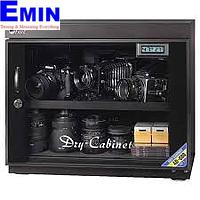
Why dry cabinet performance matters
Dry cabinets are used to create a controlled storage space where moisture exposure is minimized. In laboratory, electronics, industrial, and technical environments, this function helps protect materials that may degrade, oxidize, absorb moisture, or lose performance when ambient humidity is too high. A cabinet that appears to be running but no longer controls conditions correctly can create hidden risk.
Because of that, repair service is not only about fixing a visible fault. It is also about restoring environmental control, operational stability, and confidence in the storage process. When cabinets are part of a broader equipment ecosystem, timely repair helps maintain workflow continuity and prevents secondary issues caused by improper storage conditions.
Common issues addressed in dry cabinet repair
Dry cabinet faults can appear in several ways. Some units fail to reach the target humidity level, while others fluctuate, respond slowly, or display inaccurate readings. In other cases, users may notice alarms, non-responsive controls, interior condensation concerns, power interruptions, or doors that no longer seal as expected.
A proper repair process usually begins with identifying the root cause rather than only treating the symptom. This may involve checking the humidity control system, sensor behavior, electrical connections, control interface, internal circulation or drying mechanism, and the overall condition of seals and cabinet structure. The goal is to return the unit to dependable operation under normal working conditions.
What to expect from a repair service process
For many organizations, repair decisions are easier when the service scope is clear. A dry cabinet service process often starts with fault assessment and functional inspection, followed by troubleshooting of the affected subsystem. Once the source of the problem is identified, the technician can focus on the parts or mechanisms most relevant to performance recovery.
Beyond the immediate fault, a good service approach also considers broader operational reliability. That means looking at how the cabinet behaves during ongoing use, whether the control response is stable, and whether the unit can support the intended storage task after repair. This is particularly useful for facilities that use multiple types of laboratory support equipment and need consistent uptime across the site.
When repair is a practical option
Not every dry cabinet problem leads directly to replacement. In many cases, repair is a practical way to extend service life when the cabinet structure remains sound and the problem is limited to control, sensing, sealing, or electrical operation. For organizations managing budgets, maintenance schedules, or installed equipment fleets, repair can be a sensible step before considering a full equipment change.
It is often helpful to arrange service when early warning signs appear instead of waiting for a complete failure. Slow humidity recovery, unstable readings, repeated alarms, unusual noise, or inconsistent behavior after startup can all indicate that intervention is needed. Addressing these issues earlier may reduce the chance of larger disruptions to storage operations.
How dry cabinet repair fits into a broader laboratory service plan
Dry cabinets are rarely used in isolation. They are often part of a wider laboratory or technical environment where many pieces of equipment support storage, preparation, safety, and controlled handling. When building a maintenance plan, it can be useful to review related service needs across the facility, especially for equipment that also depends on stable operating conditions.
For example, organizations maintaining temperature-controlled storage may also need support for pharmacy refrigerator repair. Facilities handling heated liquid processes may also benefit from water bath repair services. Looking at these categories together can help streamline service planning and reduce reactive maintenance.
Choosing a service partner for dry cabinet repair
When evaluating repair support, it helps to look for a service provider that understands the role of humidity-sensitive storage in laboratory and technical workflows. The most useful repair outcome is not simply turning the cabinet back on, but restoring dependable operation in a way that aligns with how the equipment is actually used.
Clear communication, practical troubleshooting, and attention to actual performance symptoms are all valuable. This is especially important when the cabinet supports sensitive materials or when downtime affects other processes in the lab. If your site also manages specialized equipment such as biosafety cabinet repair requirements or rotary evaporator service, working with a provider familiar with laboratory support equipment can be beneficial.
Supporting uptime and storage confidence
A dry cabinet is easy to overlook when it runs quietly in the background, but its role becomes obvious as soon as performance drops. Repair service helps protect stored items, maintain controlled conditions, and support smoother day-to-day operation in laboratories, electronics workspaces, and other technical environments.
If your cabinet is showing unstable humidity control, sensor-related issues, sealing problems, or general functional faults, a focused repair assessment is a practical next step. With the right service approach, it is often possible to restore dependable performance and keep critical storage conditions under better control.
Get exclusive volume discounts, bulk pricing updates, and new product alerts delivered directly to your inbox.
By subscribing, you agree to our Terms of Service and Privacy Policy.
Direct access to our certified experts