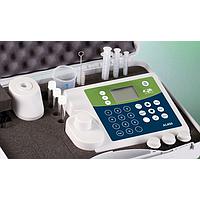
Laboratory Equipment Repair Service
Keeping laboratory operations stable often depends less on replacing equipment and more on restoring critical instruments quickly and correctly. For research labs, QA/QC facilities, universities, pharmaceutical sites, and industrial testing environments, reliable Laboratory Equipment Repair Service helps reduce downtime, protect measurement integrity, and extend the usable life of essential systems.
This category brings together repair support for a wide range of laboratory instruments used in heating, sample preparation, analysis, storage, and routine bench work. Whether the issue involves performance drift, temperature instability, vacuum loss, mechanical wear, display faults, or control problems, a structured repair process can help return equipment to safe and practical operation.
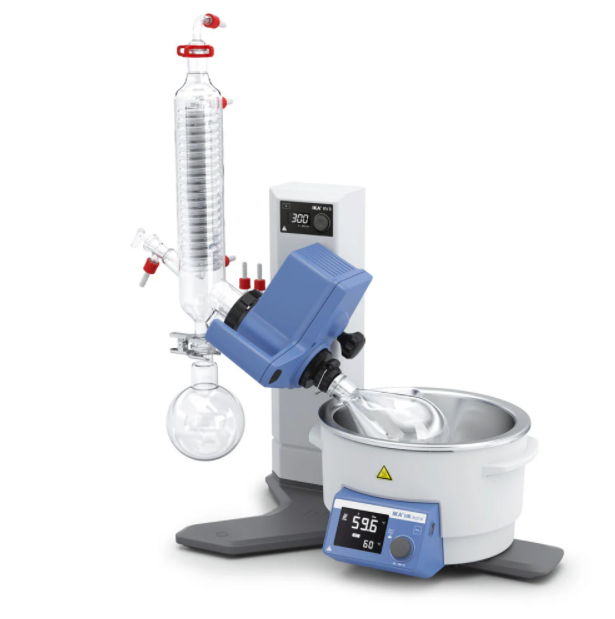
Why laboratory equipment repair matters
In many laboratories, one failed instrument can affect far more than a single workstation. A faulty centrifuge may delay sample preparation, a water bath with unstable temperature can compromise repeatability, and an analyzer with optical or electronic issues may interrupt testing schedules. Repair services are therefore not only about fixing hardware, but also about supporting workflow continuity.
Compared with immediate replacement, repair is often a practical option when the instrument remains important to the process and the fault is isolated to serviceable components. This is especially relevant for equipment used in regulated environments, routine quality checks, and production-linked laboratories where consistency and turnaround time are important.
Scope of equipment covered in this category
This category focuses on a broad range of laboratory instruments used across chemical, biological, environmental, materials, and industrial labs. The overall scope includes thermal devices, sample handling equipment, optical instruments, analytical systems, and supporting bench-top units that are central to day-to-day testing and preparation work.
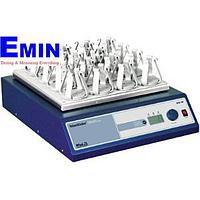
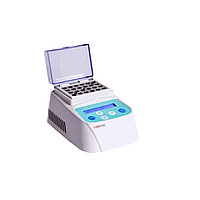
Typical examples represented here include repair support for water baths, centrifuges, spectrophotometers, viscometers, titration equipment, vacuum pumps, extractors, polarimeters, incubators, drying cabinets, and related systems. If your needs extend beyond laboratory-specific instruments, related service areas such as electrical and electronic meter repair may also be relevant for supporting measurement infrastructure across the facility.
Common repair needs across laboratory equipment
Laboratory devices can fail in different ways depending on whether they rely mainly on mechanics, heating systems, optics, fluid handling, or electronics. Common issues include unstable temperature control, poor rotation or agitation, vacuum inefficiency, sensor errors, inaccurate readings, keypad or screen malfunction, and communication or power-related faults.
For analytical instruments, symptoms may appear as drift, reduced sensitivity, inconsistent results, or startup failures. For thermal and sample-preparation equipment, users often notice slow heating, overshoot, uneven temperature distribution, or safety-related alarms. In either case, accurate fault isolation is important because the visible symptom is not always the root cause.
Where a problem overlaps with adjacent device types, some laboratories may also need support from categories such as mechanical measuring instrument repair or thermometer and thermal camera repair, especially when troubleshooting broader measurement chains.
Representative equipment and brands in service demand
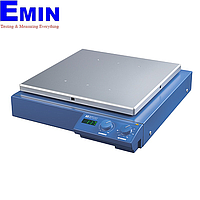
Within this category, several instruments appear frequently because they are heavily used in routine lab work. Examples include the IKA Vacuum Pump Repair Service, IKA Centrifuge Repair Service, and IKA Water Bath Repair Service, all of which reflect the ongoing demand for maintenance and fault recovery in sample preparation and thermal processing equipment.
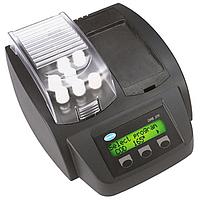
Analytical and physical property instruments are also well represented. This includes BROOKFIELD Water Heating Bath Repair Service and BROOKFIELD Viscometer Repair Service, KONICA MINOLTA Spectrophotometer Repair Service, HACH Spectrophotometer Repair Service, YSI Titration Equipment Repair Service, ATAGO Polarimeter Repair Service, Buchi Extractor Repair Service, ELCOMETER Viscometer Repair Service, and Binder Ultra Low Temperature Freezer Repair Service. These examples show how repair needs span both classic bench instruments and more application-specific laboratory systems.
How to evaluate the right repair path
Not every instrument fault should be handled in the same way. A good starting point is to identify the equipment function most affected: heating, rotation, vacuum, optical measurement, viscosity testing, titration, refrigeration, or sample extraction. From there, the service approach can be aligned with the likely failure area, such as control boards, sensors, motors, pumps, seals, optical assemblies, or user interface components.
It is also useful to consider the instrument’s role in the process. Equipment used in critical testing, release inspection, or regulated workflows may require closer attention to performance verification after repair. Devices used for utility or preparation tasks may be assessed more on operational stability, turnaround time, and maintenance practicality. This functional view helps buyers and lab managers prioritize service decisions more effectively.
Repair service in the wider laboratory and test ecosystem
Modern laboratories rarely operate with standalone devices only. Bench instruments often connect to broader electrical, data, and quality systems, so service planning benefits from looking at the complete equipment ecosystem. For example, an analytical instrument may appear to fail because of power instability, while a temperature-controlled unit may show process errors caused by an external measurement issue rather than an internal hardware defect.
In facilities where laboratory work overlaps with electronics troubleshooting, product validation, or embedded development, related services such as oscilloscope and logic analyzer repair can support broader diagnostic capability. This kind of internal linkage is useful for procurement teams and maintenance departments that manage diverse equipment portfolios under one service structure.
What buyers and lab managers usually look for
When sourcing a repair service, technical buyers typically want clarity on equipment type, fault description, brand familiarity, and the expected service outcome. The most useful service request usually includes the instrument category, visible symptoms, startup status, history of the fault, and any recent maintenance or environmental changes that may have contributed to the issue.
For this reason, a well-organized category page should help users quickly identify whether their need relates to a water bath, centrifuge, spectrophotometer, viscometer, vacuum pump, freezer, extractor, or other laboratory device. It should also make it easier to compare service options across different instrument families without forcing the reader through repetitive brand or model lists.
Choosing a suitable laboratory equipment repair service
The right service depends on the equipment function, the severity of the fault, and how critical the instrument is to your workflow. Laboratories handling routine QA, research, environmental analysis, formulation, or sample preparation often benefit from a repair partner that understands both instrument behavior and the operational context in which the device is used.
This category is designed to support that selection process by organizing repair needs around real laboratory equipment types rather than generic service language. If you are comparing options for thermal units, analytical instruments, sample preparation systems, or supporting lab hardware, these service listings provide a practical starting point for identifying the most relevant repair path for your equipment.
Get exclusive volume discounts, bulk pricing updates, and new product alerts delivered directly to your inbox.
By subscribing, you agree to our Terms of Service and Privacy Policy.
Direct access to our certified experts