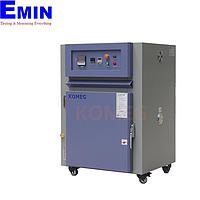
Drying Cabinet Repair Service
When a laboratory drying cabinet starts showing unstable temperature control, slow heat-up, or uneven drying performance, daily workflows can be affected quickly. In testing, sample preparation, and general lab processing, dependable thermal equipment is essential for repeatable results and safe operation. This is where a professional Drying Cabinet Repair Service becomes important for restoring equipment performance and extending usable service life.
On this page, you can explore repair support for common laboratory drying cabinet issues across a range of manufacturers. The focus is not only on fixing obvious faults, but also on identifying the root cause of temperature instability, heating failure, airflow problems, controller issues, or component wear that may reduce process reliability over time.
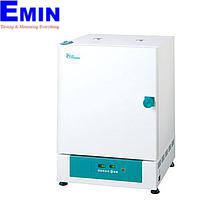
Why drying cabinet repair matters in laboratory environments
Drying cabinets are used in many laboratories for controlled heating, drying glassware, sample conditioning, and other temperature-based preparation steps. Because these processes often depend on stable and repeatable thermal conditions, even a small deviation can influence turnaround time, material quality, or internal validation procedures.
A structured repair service helps address failures in heating systems, temperature sensing, control electronics, door sealing, and circulation-related functions. In many cases, timely repair is more practical than prolonged downtime, especially when the cabinet remains suitable for the required temperature range and daily workload.
Typical issues seen in drying cabinets
Drying cabinet faults are not always limited to a complete stop in operation. Many units continue running while delivering poor heating consistency, inaccurate displayed temperature, slow recovery after door opening, or non-uniform chamber conditions. These symptoms can point to multiple causes rather than a single defective part.
Common service concerns include heater malfunction, thermostat or controller error, damaged sensors, aging relays, fan-related issues in forced-air designs, and deterioration of gaskets or insulation. When these problems are left unresolved, the cabinet may consume more energy, take longer to complete heating cycles, or produce inconsistent drying results.
For laboratories that operate several types of thermal equipment, related support may also be relevant for devices such as water bath repair service when temperature control reliability is a broader concern across the lab.
Repair scope for different brands and equipment lines
This category includes repair support for widely used laboratory brands such as NABERTHERM, Elma, KMT, JFM, JSR, and Labstac. Brand-specific examples in this category include the NABERTHERM Drying Oven Repair Service, Elma Drying Oven Repair Service, KMT Drying Oven Repair Service, JFM Drying Oven Repair Service, and JSR Drying Oven Repair Service.
Although individual cabinet designs may differ by chamber size, airflow method, controller type, or temperature architecture, the repair logic generally follows the same path: inspect the thermal path, verify control response, assess component condition, and confirm that the cabinet returns to stable operation after corrective work. For compact heating equipment in the same ecosystem, support may also extend to services such as the Labstac Mini Dry Bath Repair Service where similar temperature-control principles apply.
What a repair process typically focuses on
An effective repair process usually starts with fault identification rather than immediate part replacement. In laboratory heating equipment, visible symptoms can be misleading. For example, overheating may be related to control failure, while poor drying can come from weak circulation, incorrect sensing, or heat loss around the chamber.
Service work commonly focuses on checking controller behavior, sensor feedback, heater response, electrical continuity, switching elements, and general chamber condition. After repairs are completed, the cabinet should be evaluated for operational stability so users can return it to service with better confidence in routine lab use.
- Temperature not reaching the expected setpoint
- Unstable heating or excessive fluctuation during operation
- Display, controller, or alarm malfunction
- Heating present but drying performance remains poor
- Mechanical wear affecting doors, seals, or safe chamber closure
How to choose the right service for your equipment
When selecting a drying cabinet service, it helps to prepare a clear description of the fault history, current symptoms, and operating context. Information such as whether the problem is intermittent or constant, whether the chamber heats at all, and whether the unit has recently shown alarm behavior can make diagnosis more efficient.
It is also useful to match the request to the actual equipment type. Some users search for drying oven repair while others refer to the same class of equipment as a drying cabinet. If your facility operates multiple laboratory systems, related categories such as rotary evaporator repair service or biosafety cabinet repair service may also be relevant for broader maintenance planning.
Representative repair services in this category
To help users quickly identify suitable options, this category highlights several representative services linked to recognized laboratory equipment brands. Examples include Elma Drying Oven Repair Service, NABERTHERM Drying Oven Repair Service, KMT Drying Oven Repair Service, JFM Drying Oven Repair Service, and JSR Drying Oven Repair Service.
These listings are useful when your laboratory already knows the equipment brand and wants a more direct route to service support. If the issue involves a smaller heating unit rather than a full chamber cabinet, the Labstac Mini Dry Bath Repair Service is another example of how repair support can be aligned with the actual device type instead of using a one-size-fits-all request.
Supporting uptime, consistency, and safer operation
Laboratory thermal equipment often sits in the background of daily operations, but its impact on process consistency is significant. A cabinet that drifts from setpoint, heats unevenly, or fails unexpectedly can disrupt sample preparation, delay testing schedules, and create unnecessary uncertainty in routine work.
Choosing the right laboratory equipment repair path helps maintain dependable operation without overstating what the equipment can do after service. For many labs, the practical goal is clear: restore stable heating behavior, reduce downtime, and return the unit to normal use with a more predictable operating condition.
Final considerations before requesting service
Before submitting a repair request, it is a good idea to record the model reference, observed fault, error indications, and basic operating symptoms. This simple preparation helps narrow the diagnostic path and improves communication around the required repair scope.
For laboratories using drying cabinets as part of routine sample handling or thermal preparation, targeted repair support is often the most efficient way to recover performance. A well-matched service category makes it easier to find support for the relevant brand and equipment type, whether you are dealing with a standard drying cabinet, a drying oven, or another related laboratory heating device.
Get exclusive volume discounts, bulk pricing updates, and new product alerts delivered directly to your inbox.
By subscribing, you agree to our Terms of Service and Privacy Policy.
Direct access to our certified experts