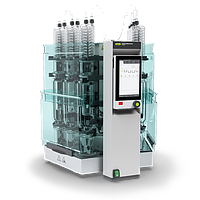
Extractor Repair Service
When an extraction system starts showing unstable heating, solvent recovery issues, poor sealing, or inconsistent cycle performance, routine lab work can quickly slow down. In these situations, a reliable Extractor Repair Service helps restore equipment function, reduce downtime, and support safer day-to-day operation in analytical, food, environmental, and research laboratories.
Extractor systems are often used in workflows where repeatability matters, so even small mechanical or control-related faults can affect productivity. A professional repair approach is especially important when the equipment is part of a larger sample preparation process and must return to service with dependable performance.
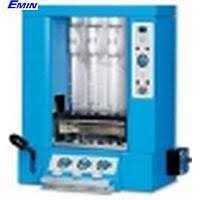
Why extractor repair matters in laboratory operation
Laboratory extractors work under conditions that combine heat, glassware or sealed assemblies, solvent handling, and repeated operating cycles. Over time, these demands can lead to wear in seals, fittings, control components, heating elements, or other functional parts that influence extraction consistency.
A structured repair service helps identify the source of failure rather than only treating visible symptoms. This is important for labs that need to maintain workflow continuity, protect sample integrity, and avoid extended interruption in sample preparation or analytical support tasks.
Common service needs for extractor systems
Repair requirements can vary depending on equipment design and usage intensity, but they often involve issues related to heating behavior, leaks, damaged assemblies, unstable operation, or control faults. In some cases, the unit may still power on but no longer perform extraction cycles as expected, which can create hidden process risk.
Service may also be needed after prolonged use, improper shutdown, contamination from process residue, or general aging of critical components. For labs managing several instruments, addressing these problems early is often more practical than waiting for a complete failure that affects scheduling and throughput.
Support for Buchi and VELP extractor equipment
This category includes service options for well-known laboratory brands such as Buchi and VELP, both of which are commonly associated with extraction workflows in lab environments. Brand-specific familiarity can be helpful when troubleshooting recurring faults, assessing component condition, or planning the next maintenance step after repair.
Representative services in this category include the Buchi Extractor Repair Service and VELP Extractor Repair Service. These listings are useful reference points for laboratories looking for repair support aligned with the equipment brand already in use.
How to evaluate the right repair path
Not every fault requires the same level of intervention. Some extractor issues are relatively localized, while others may indicate broader wear affecting reliability, thermal stability, or process repeatability. A practical evaluation usually considers the type of failure, overall equipment condition, operating history, and the role of the unit in the laboratory workflow.
For B2B buyers, the decision is often less about a single symptom and more about total operational impact. If the extractor is used regularly in sample preparation, timely repair can be more efficient than prolonged workarounds that reduce productivity or create inconsistency between batches.
Extractor repair within the broader lab equipment service ecosystem
Extractor maintenance and repair are rarely isolated from the rest of the laboratory setup. In many facilities, extraction is closely connected with evaporation, heating, storage, or controlled preparation steps, so equipment reliability should be considered across the whole process chain.
Depending on your application, it may also be helpful to review related service categories such as rotary evaporator repair for downstream solvent handling or water bath repair for temperature-controlled support equipment. Looking at the wider equipment ecosystem can help reduce repeated downtime across connected lab operations.
What laboratories typically look for in a repair service
For technical buyers and lab managers, a useful service category should make it easier to identify support by equipment type and manufacturer. In the case of extractor systems, that usually means access to repair options that are clearly aligned with the instrument platform and the practical realities of laboratory use.
Key considerations often include service suitability for the equipment brand, relevance to the specific instrument type, and the ability to support restored functionality in a way that fits routine laboratory work. This is particularly important for labs that depend on stable extraction results as part of regulated, repetitive, or high-throughput processes.
When to arrange service instead of delaying intervention
It is generally worth arranging repair when the extractor begins to show repeated faults, inconsistent heating behavior, unexpected interruption during operation, leakage concerns, or signs that extraction performance has become less predictable. Delaying service in these cases can lead to longer outages and may complicate troubleshooting later.
Early attention is also useful when the instrument is part of a critical workflow and replacement is not immediately practical. Addressing issues before they escalate helps maintain continuity and supports better planning for service windows, backup equipment use, and laboratory scheduling.
Choosing the appropriate service listing
If your lab already knows the equipment brand, selecting a service listing tied to that manufacturer can help narrow the search more efficiently. For example, laboratories operating Buchi or VELP systems can start with the corresponding repair service entries in this category and then assess the service path based on equipment condition and actual symptoms.
Overall, this category is intended to help laboratories find relevant repair support for extractor equipment without unnecessary complexity. A well-matched repair service can improve equipment uptime, support consistent extraction work, and make it easier to manage the reliability of the broader laboratory instrument fleet.
Get exclusive volume discounts, bulk pricing updates, and new product alerts delivered directly to your inbox.
By subscribing, you agree to our Terms of Service and Privacy Policy.
Direct access to our certified experts