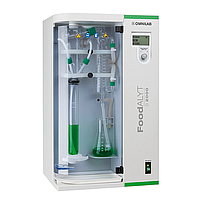
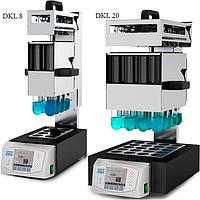
Protein Distillers Repair Service
Reliable protein analysis depends on stable thermal performance, controlled distillation, and repeatable operation throughout the entire workflow. When a protein distillation system starts showing inconsistent heating, poor recovery, leaks, or control faults, repair work is not just about restoring power to the unit; it is about bringing the instrument back to dependable laboratory use.
Protein Distillers Repair Service is intended for laboratories that need practical support for distillation equipment used in Kjeldahl and related protein determination processes. This service category is especially relevant when equipment downtime affects sample throughput, method consistency, and day-to-day lab productivity.
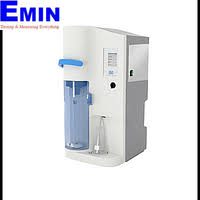
Why protein distillation equipment requires specialized service
Protein distillers operate under demanding conditions that combine heat, steam, condensate handling, chemical exposure, and repeated laboratory cycles. Over time, these factors can affect seals, tubing, heating behavior, sensors, valves, condensers, and control components, leading to performance drift or complete interruption of the process.
In a protein analysis environment, even minor faults can have a noticeable impact. A unit that heats unevenly, fails to distill efficiently, or shows unstable operation may slow down routine testing and create uncertainty in analytical workflows. A focused repair approach helps identify the root cause rather than only addressing surface symptoms.
Common issues seen in protein distillers
Service requests for this type of equipment often begin with changes in normal operating behavior. Users may notice longer distillation times, unexpected shutdowns, poor condensate flow, temperature instability, or visible wear in parts exposed to moisture and reagents.
Other cases involve interface or control problems, difficulty starting a program, irregular response from safety functions, or signs of leakage around fluid paths. In many laboratories, these symptoms appear gradually, which is why early inspection and timely repair can be valuable before a small issue develops into a longer period of downtime.
- Heating and thermal control issues that affect process stability
- Leaks, worn connections, or degraded fluid-handling components
- Sensor or control faults that interrupt normal operation
- Reduced condensation efficiency or inconsistent distillation behavior
- General wear caused by routine laboratory use and chemical exposure
What this service category is designed to support
This category focuses on repair support for laboratory distillation systems used in protein analysis workflows. The goal is to help laboratories restore safe and functional operation, reduce unnecessary replacement costs where repair is appropriate, and keep critical analytical equipment available for routine work.
Where relevant, users looking for brand-specific support may also explore VELP laboratory equipment pages for broader manufacturer context. A representative example in this category is the VELP Distillation Unit Repair Service, which reflects the type of service support typically required for this class of equipment.
How to evaluate a repair need before placing a service request
Before arranging service, it helps to document the operating condition of the unit as clearly as possible. Details such as the fault pattern, when the issue began, whether the problem is constant or intermittent, and whether it affects heating, drainage, condensation, or controls can make troubleshooting more efficient.
It is also useful to note any visible signs such as error indications, abnormal noise, fluid leakage, scaling, or damaged accessories connected to the system. In a B2B laboratory setting, this information helps service teams understand whether the issue is likely related to wear, maintenance condition, operating environment, or a specific functional subsystem.
Repair service in the context of laboratory workflow continuity
For many labs, a protein distiller is part of a wider analytical and sample-preparation setup rather than a standalone instrument. When this equipment is unavailable, downstream reporting schedules and routine testing capacity can be affected, especially in food, feed, agricultural, and quality control environments.
That is why repair planning often needs to consider the broader equipment ecosystem. If your facility also manages other lab devices requiring technical support, related service categories such as rotary evaporator repair service or water bath repair service may also be relevant when coordinating maintenance across the laboratory.
When repair is preferable to replacement
Not every performance issue means the instrument has reached end of life. In many cases, functional problems come from identifiable service items, component wear, or control-related faults that can be addressed through targeted repair. This can be a practical option when the existing system still fits the laboratory method and workflow requirements.
Repair is often worth considering when the equipment has an established place in validated processes, when replacement lead time would disrupt operations, or when the issue appears limited to a specific operating function. A structured service assessment helps determine whether restoration is technically and economically sensible.
Choosing the right repair support for protein distillers
For this type of laboratory equipment, the most useful service support is usually the one that understands both the instrument function and the operational expectations around analytical repeatability. The focus should be on restoring dependable use, checking the affected subsystems carefully, and aligning the repair outcome with normal lab practice.
When comparing options, look for service relevance to distillation-based laboratory equipment, familiarity with the manufacturer where applicable, and a clear understanding of fault symptoms that influence daily analytical work. In environments where uptime matters, selecting an appropriate repair pathway can help extend equipment usability and reduce disruption to protein testing routines.
Final considerations
Protein distillation systems play an important role in analytical laboratories, and service needs should be handled with attention to real operating conditions rather than generic equipment repair alone. A well-matched repair service can help restore process stability, support safer operation, and keep laboratory workflows moving with less interruption.
If your unit is showing reduced performance, inconsistent operation, or visible wear, this category provides a practical starting point for evaluating repair support for protein distillers and related distillation equipment used in routine lab analysis.
Get exclusive volume discounts, bulk pricing updates, and new product alerts delivered directly to your inbox.
By subscribing, you agree to our Terms of Service and Privacy Policy.
Direct access to our certified experts