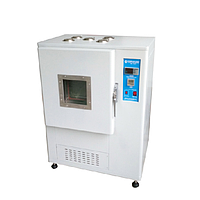
Aging Test Chamber Repair Service
Stable long-term reliability testing depends on environmental equipment that can hold temperature conditions consistently over time. When an aging chamber starts drifting, heating unevenly, failing to control timing, or showing unstable operation, test results can quickly become difficult to trust. In these situations, a professional Aging Test Chamber Repair Service helps restore operational confidence and reduce disruption in quality control, materials evaluation, and product durability testing.
This service category is intended for laboratories, manufacturers, and industrial testing teams that rely on aging equipment as part of routine verification or product development work. Whether the issue is related to chamber control, temperature behavior, electrical components, or overall system stability, repair work should focus on returning the equipment to dependable working condition with attention to the actual testing process it supports.
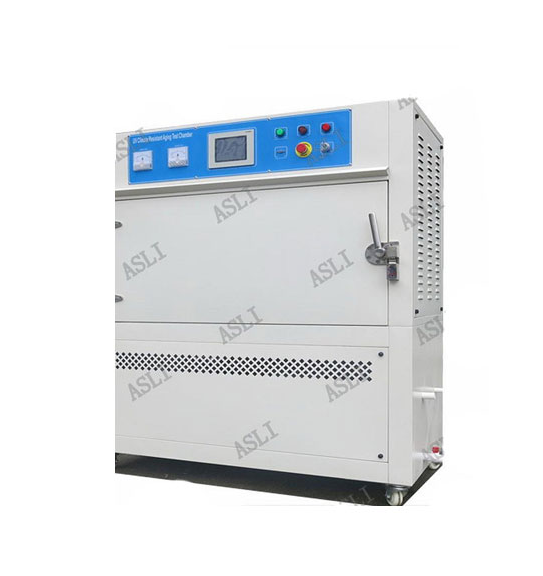
Why aging test chamber repair matters in testing environments
Aging chambers are commonly used to expose samples to controlled thermal conditions over extended periods. Because these tests are often linked to product life evaluation, material change analysis, or process validation, even small deviations in chamber performance may affect repeatability and interpretation of results. Repair is therefore not only about making the unit run again, but also about restoring test consistency.
In practical use, equipment may experience wear in heaters, sensors, control boards, relays, wiring, airflow-related components, or door sealing areas. Over time, this can lead to slow ramp-up, unstable hold conditions, alarms, unexpected shutdowns, or visible mismatch between setpoint and actual chamber behavior. A structured repair approach helps identify the root cause rather than only addressing the symptom.
Common issues addressed by repair service
The most frequent service requests involve chambers that no longer maintain the intended operating condition for the required test duration. Users may notice fluctuating readings, delayed heating response, controller faults, timer irregularities, or communication problems between control elements and the chamber system. In some cases, the unit still powers on but cannot complete a stable test cycle.
Mechanical and electrical faults can also appear together. For example, aging test chambers may suffer from sensor aging, loose terminal connections, degraded insulation, worn switching components, or controller parameter problems. Effective repair work usually includes fault isolation, inspection of key assemblies, replacement or restoration of damaged parts where appropriate, and functional verification after service.
Facilities managing multiple test instruments may also need support across related equipment types. If your lab handles broader material or packaging performance testing, you may also review services such as water vapor transmission rate test system repair or oxygen permeation system repair when maintaining the overall test workflow.
Repair scope for major chamber brands
This category includes service examples for equipment from Cometech, Yasuda, and TONYHK. Each manufacturer may use different controller layouts, chamber structures, and electrical designs, so repair work benefits from familiarity with brand-specific configurations while still following sound troubleshooting principles.
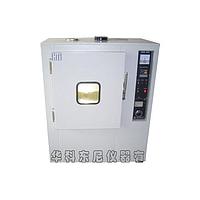
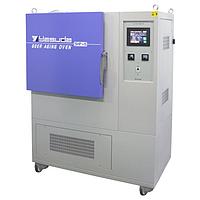
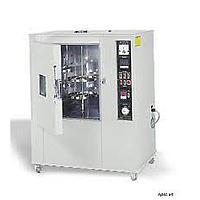
Representative services in this category include the Cometech Aging Test Machine Repair Service, Yasuda Aging Test Machine Repair Service, and TONYHK Aging Test Chamber Repair Service. These examples help illustrate the type of support available for aging and thermal endurance equipment used in industrial and laboratory settings. The emphasis should remain on diagnosing the actual fault condition of the installed unit and restoring reliable performance for day-to-day testing needs.
What to evaluate before requesting service
Before arranging repair, it is useful to document the chamber’s current symptoms in real operating conditions. Useful details may include whether the chamber reaches setpoint, how long it takes to stabilize, whether alarms appear at startup or during hold periods, and whether the issue is repeatable across multiple test runs. This information can shorten diagnosis time and support a more accurate repair plan.
It is also helpful to note the controller display behavior, sample load conditions, and any recent maintenance or electrical events. In some facilities, chamber faults are first detected indirectly through failed product tests or inconsistent comparison data between runs. A clear service request based on these observations often leads to faster root-cause analysis and less unnecessary downtime.
How repaired aging chambers fit into the wider test equipment ecosystem
Aging chambers are rarely standalone assets in a quality or R&D environment. They often operate alongside thermal equipment, physical durability testers, and analytical instruments that together support product qualification and material comparison. When one chamber is out of service, the impact can spread to production schedules, incoming material checks, or development timelines.
For organizations managing a broader maintenance program, it may be useful to coordinate service planning with other equipment categories such as furnaces repair service or abrasion tester repair service. This kind of structured approach can help reduce unplanned interruptions across the lab or production support environment.
Choosing the right repair support
When selecting a repair service for aging chambers, the most important factors are technical understanding, a methodical troubleshooting process, and attention to actual application requirements. A chamber used for routine production verification may require a different service priority from one used in product development or failure analysis, even if the visible fault appears similar. The goal is not only to restore power or remove alarms, but to return the system to usable testing condition.
It is also worth considering how the service provider handles fault confirmation after repair. For this type of equipment, post-repair functional checks are important because stable control behavior is central to the chamber’s role. Clear communication about symptoms, expected operating range, and observed issues before service can help ensure the repair outcome matches the real needs of the testing process.
Conclusion
When an aging chamber begins to show unstable control, heating problems, or repeated operational faults, timely repair helps protect both equipment uptime and the reliability of test results. A focused repair service supports the continued use of important thermal aging equipment in laboratories, inspection departments, and industrial quality systems.
By reviewing the chamber’s symptoms, application context, and manufacturer platform, users can make a more informed service decision for equipment from brands such as Cometech, Yasuda, and TONYHK. For organizations that depend on repeatable long-duration testing, maintaining aging chambers in sound working condition is a practical step toward more dependable evaluation and smoother daily operation.
Get exclusive volume discounts, bulk pricing updates, and new product alerts delivered directly to your inbox.
By subscribing, you agree to our Terms of Service and Privacy Policy.
Direct access to our certified experts