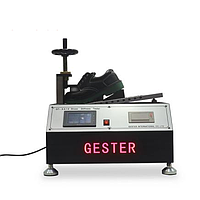
Footwear Testing Equipment Repair Service
Reliable test results depend not only on the instrument itself, but also on how well it is maintained over time. In footwear laboratories, quality control rooms, and material testing environments, even small mechanical wear or sensor drift can affect repeatability, compliance work, and product development decisions. A dedicated Footwear Testing Equipment Repair Service helps restore instrument performance, reduce downtime, and keep testing workflows stable.
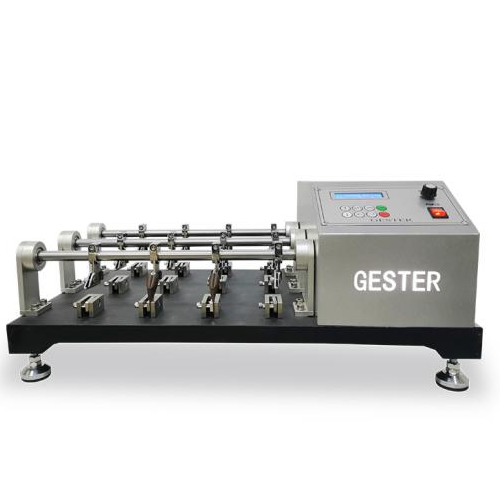
Why repair service matters for footwear testing equipment
Footwear testing instruments are typically used to assess durability, abrasion resistance, flex behavior, material performance, and other mechanical properties that are important in product validation. Because these systems often involve moving parts, controlled force application, timers, sensors, and fixtures, long-term use can lead to alignment issues, unstable readings, or inconsistent test cycles.
A structured repair service is useful when equipment starts showing signs of reduced accuracy, unexpected stoppages, abnormal noise, damaged components, or communication faults. In these situations, service work is not only about getting the machine running again; it is also about recovering measurement reliability so test data remains useful for quality and engineering decisions.
Typical issues seen in footwear testing instruments
Repair needs can vary depending on the test principle and instrument design, but several failure patterns are common across mechanical and physical testing equipment. Wear on drive assemblies, loosened fixtures, damaged switches, unstable control boards, and sensor response problems are typical causes of poor repeatability or interrupted operation.
In many labs, the first sign of trouble is not complete failure but gradual inconsistency. Operators may notice test results drifting from historical values, uneven motion, failure to hold settings, or interruptions during repeated cycles. Early diagnosis can help prevent secondary damage and shorten recovery time.
For equipment exposed to repeated friction or durability testing, related support may also be relevant for systems such as an abrasion tester repair service, especially where test methods and wear mechanisms overlap across materials and finished footwear components.
What a repair service usually covers
A professional repair process generally begins with fault assessment, followed by inspection of mechanical assemblies, electrical connections, control functions, and key operating parts. The objective is to identify whether the issue comes from wear, impact, improper use, aging electronics, or broader system instability.
Depending on the condition of the unit, service may involve replacing failed components, correcting alignment, restoring motion control, checking load or sensing behavior, and verifying that the instrument can return to normal operating conditions. For users running multiple test methods, it can also be helpful to review neighboring service categories such as discoloration meter repair when color or appearance evaluation is part of the same quality workflow.
Support for GESTER footwear testing equipment
Many buyers look for service support that aligns with the original equipment ecosystem. This category includes repair support related to GESTER instruments, including the featured GESTER Footwear testing equipment Repair Service. For laboratories already using this brand, service continuity can help simplify troubleshooting and reduce the effort needed to restore routine test operations.
When repair is approached with knowledge of the instrument family, it is easier to evaluate typical wear points, functional dependencies, and the role of accessories or fixtures within the test setup. That is especially important in footwear applications, where a small mechanical deviation can influence comparative testing across batches or product revisions.
How to know when service is needed
Not every issue starts with a complete shutdown. In practice, many instruments continue operating while producing unstable or questionable results. That is why service should be considered not only after a failure, but also when the equipment behaves differently from its usual baseline.
- Unexpected variation between repeated tests
- Mechanical vibration, noise, or irregular movement
- Display, control, or response problems during setup
- Fixtures that no longer hold samples properly
- Interrupted test sequences or failure to complete cycles
- Visible wear, damage, or poor alignment after extended use
If similar symptoms appear in other lab systems, broader maintenance planning may be worthwhile. For example, facilities that also operate thermal or barrier-related equipment sometimes review services such as furnaces repair service or other instrument-specific repair categories to keep the full testing environment dependable.
Choosing the right repair path for your lab or factory
The right service approach depends on how the equipment is used, how critical it is to production or quality approval, and whether the issue appears mechanical, electrical, or control-related. In a development lab, restoring repeatability may be the main priority. In a factory quality environment, minimizing downtime and returning the instrument to stable routine operation may be equally important.
It is also useful to prepare basic information before requesting service: instrument type, observed fault pattern, operating symptoms, and any recent events such as heavy use, impact, or abnormal readings. Clear fault reporting helps speed up diagnosis and improves the chance of an efficient repair process.
Repair service as part of long-term equipment reliability
Repair should not be viewed only as a one-time response to breakdown. In many technical environments, it is part of a broader strategy for equipment lifecycle management, helping extend usable life while protecting the quality of test data. For footwear testing applications, that matters because product evaluation often depends on consistent comparison over time, not just one isolated measurement.
When instruments are repaired promptly and returned to stable condition, teams can maintain confidence in test outcomes, reduce workflow disruption, and avoid unnecessary replacement decisions. For organizations that rely on regular mechanical and physical testing, a focused repair service for footwear equipment is a practical step toward keeping the lab productive and dependable.
Get exclusive volume discounts, bulk pricing updates, and new product alerts delivered directly to your inbox.
By subscribing, you agree to our Terms of Service and Privacy Policy.
Direct access to our certified experts