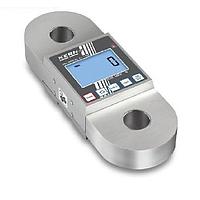
Force Gauges Repair Service
When force measurement becomes inconsistent, every tensile test, compression check, and production verification step can be affected. A reliable Force Gauges Repair Service helps restore measuring stability, reduce downtime, and keep mechanical testing workflows aligned with actual process requirements.
Force gauges are widely used in quality control, laboratory testing, packaging validation, assembly force checks, and material evaluation. Over time, sensors, displays, buttons, connectors, and internal electronics can drift, wear, or fail under repeated use. Repair is often a practical way to bring existing equipment back into service, especially when the instrument is already integrated into an established testing routine.
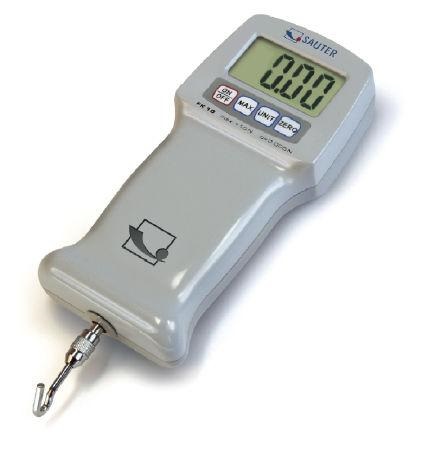
Why force gauge repair matters in testing environments
A force gauge is expected to deliver repeatable readings across push and pull applications. If readings fluctuate, respond slowly, or no longer match known references, the issue can affect inspection decisions, product acceptance, and process troubleshooting. In industrial and lab settings, even a small measurement deviation may lead to unnecessary rejects or missed defects.
Professional repair work typically focuses on restoring the instrument’s measurement reliability and normal operating condition. Depending on the fault, this may involve diagnosing signal instability, addressing mechanical wear, resolving display or keypad issues, or correcting problems caused by impact, overload, or aging components.
Common issues seen in force gauges
Force gauges operate in demanding conditions, from repetitive bench testing to portable field inspections. Because of that, failures are not always limited to one part of the instrument. Some units may power on but show unstable values, while others may have broken housings, damaged load mechanisms, or communication issues with stands and external systems.
Typical repair cases include zero drift, inaccurate readings, intermittent buttons, cracked screens, charging or power faults, and damage after overload events. Instruments used for tensile and compression work can also show wear related to fixtures, connectors, or repeated high-cycle use. If your application includes related testing equipment, it may also be useful to review services such as abrasion tester repair for other mechanical test stations within the same lab or production area.
Supported brands and typical service scope
This category covers repair support for a range of commonly used brands in force and tension measurement. Examples include IMADA, DILLON, ELCOMETER, EXTECH, KERN, Optibelt, PCE, TECLOCK, Arcotest, and Cometech. Brand-specific handling matters because each manufacturer may use different sensing structures, interfaces, or mechanical layouts.
Representative service entries in this category include IMADA Force gauge Repair Service, DILLON Force gauge Repair Service, Cometech Force gauge Repair Service, EXTECH Force gauge Repair Service, PCE Force gauge Repair Servicen, KERN Tensile force gauge Repair Service, TECLOCK Tension Gauge Repair Service, Optibelt Tension Meter Repair Service, and ELCOMETER Tension Monitor Repair Service. These examples show the practical scope of the category, covering both classic force gauges and related tension-measurement instruments used in mechanical testing applications.
How repair service fits different force and tension measurement tasks
Not every instrument in this category is used the same way. Some force gauges are dedicated to handheld pull and push checks, while others are installed on stands for more controlled testing. Tension-related devices may be used in wire, belt, film, coating, or process-monitoring applications where stable readings are essential for production consistency.
Because of this variety, repair work should be approached with attention to the actual application, not only the product name. A tensile force gauge used for repetitive QC checks may require different diagnostic priorities than a tension monitor installed in a production line. In broader testing environments, users may also need related service support such as discoloration meter repair service when multiple material evaluation instruments are maintained together.
What to prepare before sending a force gauge for repair
Clear fault information can speed up diagnosis and improve the repair workflow. It is helpful to record the brand, model name, visible symptoms, operating condition, and whether the problem occurs continuously or only under load. If the unit shows incorrect values, note whether the issue appears at zero, across the full range, or only at certain test points.
Accessories and usage context can also matter. If the force gauge is used with fixtures, hooks, test stands, chargers, or external displays, mention that in the service request. For some cases, a problem that seems to come from the main unit may be linked to cabling, power supply behavior, or the connected setup. Similar preparation is also useful when arranging service for other barrier or material test systems, such as an oxygen permeation system repair service.
Choosing the right repair approach
The best repair path depends on the instrument condition, criticality of the application, and whether the gauge remains suitable for the required measurement range and use environment. In many cases, repair is appropriate when the instrument has known value in an existing workflow, operators are already familiar with it, and replacing the setup would disrupt fixtures, procedures, or records.
It is also worth considering the broader goal: restoring usable performance rather than simply making the device power on again. For force gauges used in inspection or compliance-related testing, the quality of diagnosis and restoration is especially important. If your facility maintains several types of mechanical test equipment, coordinated service planning can help reduce interruptions across the full testing process.
Applications where dependable force gauge performance is essential
Force gauges are used in many B2B environments where repeatable mechanical measurement supports process control and product verification. Common examples include packaging seal checks, spring testing, button force evaluation, wire pull testing, peel testing, component insertion force checks, and material handling assessments. In these contexts, a repaired and properly functioning instrument helps maintain continuity in both routine inspections and troubleshooting work.
Tension-related instruments in this category are also relevant where line tension or applied force influences product quality. That can include belts, films, coated materials, wires, and other process-sensitive applications. Whether the requirement is simple handheld checking or more controlled test-bench measurement, maintaining instrument condition is a practical part of sustaining reliable test data.
Keep force measurement equipment working with less disruption
A well-managed repair process can extend instrument usability, support more stable testing results, and reduce unnecessary replacement costs. For users working with IMADA, DILLON, TECLOCK, Optibelt, ELCOMETER, EXTECH, PCE, KERN, Arcotest, or Cometech equipment, this category provides a focused path for addressing faults in force gauges and related tension-measurement devices.
If your testing operation depends on consistent push, pull, or tension readings, choosing the right repair service is an important step toward restoring normal workflow. Reviewing the applicable brand or service entry in this category can help you identify the most relevant option for your instrument and application.
Get exclusive volume discounts, bulk pricing updates, and new product alerts delivered directly to your inbox.
By subscribing, you agree to our Terms of Service and Privacy Policy.
Direct access to our certified experts