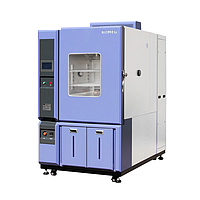
Thermal Shock Chamber Repair Service
Unexpected temperature transitions can place heavy stress on both test samples and the chamber itself. When a thermal shock system starts showing unstable performance, transfer issues, sensor drift, refrigeration faults, or controller alarms, timely maintenance and repair helps restore reliable testing conditions and reduces the risk of unplanned downtime. This page focuses on Thermal Shock Chamber Repair Service for industrial and laboratory environments where repeatable environmental testing is essential.
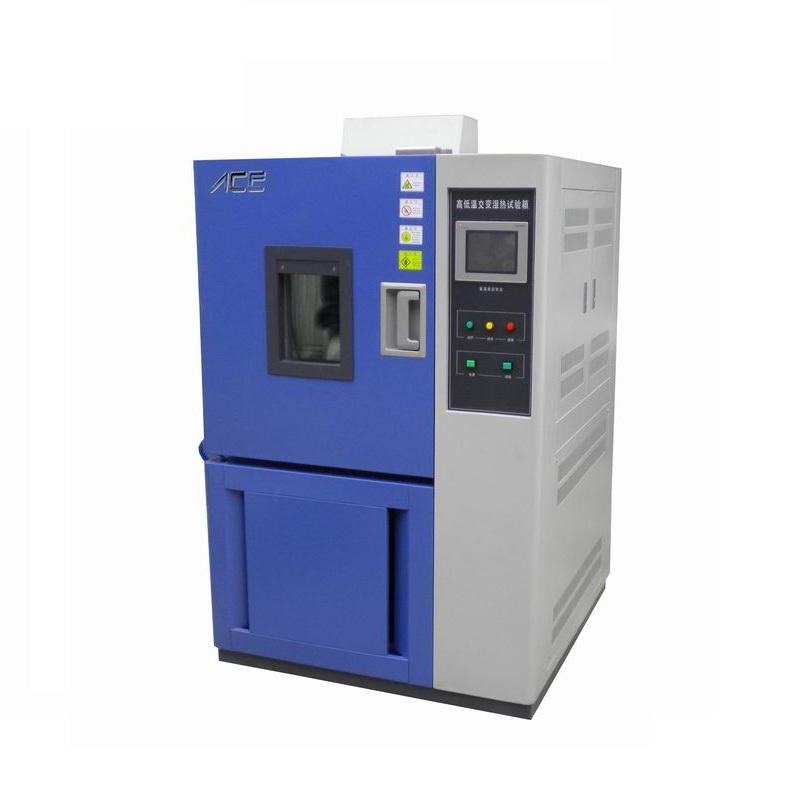
Why thermal shock chamber repair matters
A thermal shock chamber is designed to move test specimens through extreme hot and cold conditions within short time intervals. Because this process depends on coordinated heating, cooling, airflow, sensing, and control, even a small fault can affect test consistency, cycle timing, and equipment safety.
Repair service is not only about fixing a visible failure. It is also about identifying the root cause behind temperature overshoot, slow recovery, door seal leakage, mechanical transfer problems, compressor abnormalities, or communication errors in the controller. In B2B settings, this is especially important because inaccurate chamber behavior can directly affect product validation, quality control, and reliability screening.
Common issues seen in thermal shock chambers
In day-to-day operation, chambers may develop problems related to refrigeration performance, heater response, thermal balance, or electrical control. Operators may notice inconsistent temperature change rates, abnormal noise, alarm conditions, unstable sensors, or unexpected interruption during programmed cycles.
Mechanical wear is another common factor, especially in systems that repeatedly move baskets or test zones between hot and cold sections. Over time, seals, relays, contactors, actuators, fans, and internal wiring may degrade. A proper repair service should therefore combine troubleshooting of both the thermal system and the mechanical or electrical subsystems that support stable chamber operation.
Scope of service for different chamber brands
This category includes service options for widely used brands such as ESPEC, JFM, and MStech. Brand familiarity matters because controller architecture, spare part layout, refrigeration design, and chamber transfer mechanisms can vary from one manufacturer to another.
Representative service items in this category include ESPEC Thermal Shock chamber Repair Service, JFM Thermal Shock chamber Repair Service, and MStech Thermal Shock chamber Repair Service. These listings help users identify support for installed equipment, while the actual repair process typically centers on fault diagnosis, restoration of thermal performance, and verification that the chamber can return to practical testing use.
What a typical repair process may include
A structured service workflow usually begins with inspection of operating symptoms and chamber history. This can include reviewing alarm logs, checking controller behavior, observing temperature transitions, and evaluating the condition of refrigeration components, heaters, sensors, fans, interlocks, and moving assemblies.
After fault isolation, the next step is corrective work such as replacing worn components, restoring wiring or control functions, correcting leakage, or resolving thermal instability. In many cases, technicians also verify cycle behavior after repair so the chamber can return to use with more predictable performance. For facilities running multiple test platforms, it may also be useful to review related services such as furnaces repair service where high-temperature equipment maintenance is part of the same reliability workflow.
How to choose the right service option
When selecting a provider, buyers typically look beyond the basic product name and focus on service relevance. The key questions are whether the team can support the installed brand, whether they understand environmental test equipment, and whether the service approach covers electrical, mechanical, and temperature-control related issues rather than only isolated part replacement.
It is also useful to prepare practical information before requesting service: chamber brand, fault symptoms, alarm codes if available, and the impact on test operation. This shortens diagnostic time and helps clarify whether the issue is likely tied to refrigeration, sensing, basket transfer, controller logic, or another subsystem. For laboratories managing multiple material and packaging test platforms, related support categories such as water vapor transmission rate test system repair may also be relevant.
Typical applications behind thermal shock chamber service demand
Thermal shock testing is commonly used where products must withstand rapid temperature transitions during development, qualification, or production screening. This makes chamber uptime important in electronics, components, assemblies, and other industrial test programs that depend on repeatable environmental stress conditions.
Because these chambers are often integrated into broader quality or R&D workflows, delays in repair can affect schedules well beyond the equipment itself. A stable chamber helps maintain confidence in test results, while a poorly functioning one can create uncertainty about pass-fail outcomes, sample exposure conditions, and repeatability between test runs.
When repair is preferable to replacement
Not every malfunction means the chamber must be replaced. If the main structure remains usable and the issue is concentrated in controls, refrigeration, sensing, or moving mechanisms, repair can be a practical way to restore value from an existing asset. This is often the case when the chamber is already integrated into a known test procedure and users want to minimize disruption.
At the same time, a good evaluation should be realistic. The goal of service is not simply to restart the unit temporarily, but to restore dependable operation as far as the actual condition of the chamber allows. In mixed-equipment facilities, maintenance planning may also extend to related systems such as oxygen permeation system repair service to keep testing operations coordinated across departments.
Support for ongoing equipment reliability
Thermal shock chambers operate under demanding conditions, and faults often develop progressively before they become a complete shutdown. Early attention to alarm history, temperature deviation, unusual noise, or slower cycle response can help reduce secondary damage and simplify repair work.
If your facility relies on rapid temperature transition testing, choosing a suitable thermal shock chamber service path helps protect both equipment uptime and test reliability. This category is intended to support users looking for repair options for ESPEC, JFM, MStech, and similar chamber platforms where accurate environmental testing remains a critical part of the production or validation process.
Get exclusive volume discounts, bulk pricing updates, and new product alerts delivered directly to your inbox.
By subscribing, you agree to our Terms of Service and Privacy Policy.
Direct access to our certified experts