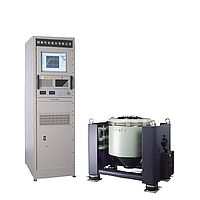
Vibration Tester Repair Service
When a vibration tester starts producing unstable results, irregular motion, or unexpected shutdowns, test quality can decline quickly and disrupt production or validation work. In laboratories, packaging evaluation, product reliability testing, and mechanical durability programs, timely repair is often just as important as the original equipment specification. This page covers Vibration Tester Repair Service for organizations that need to restore stable operation, improve measurement confidence, and reduce downtime in demanding test environments.
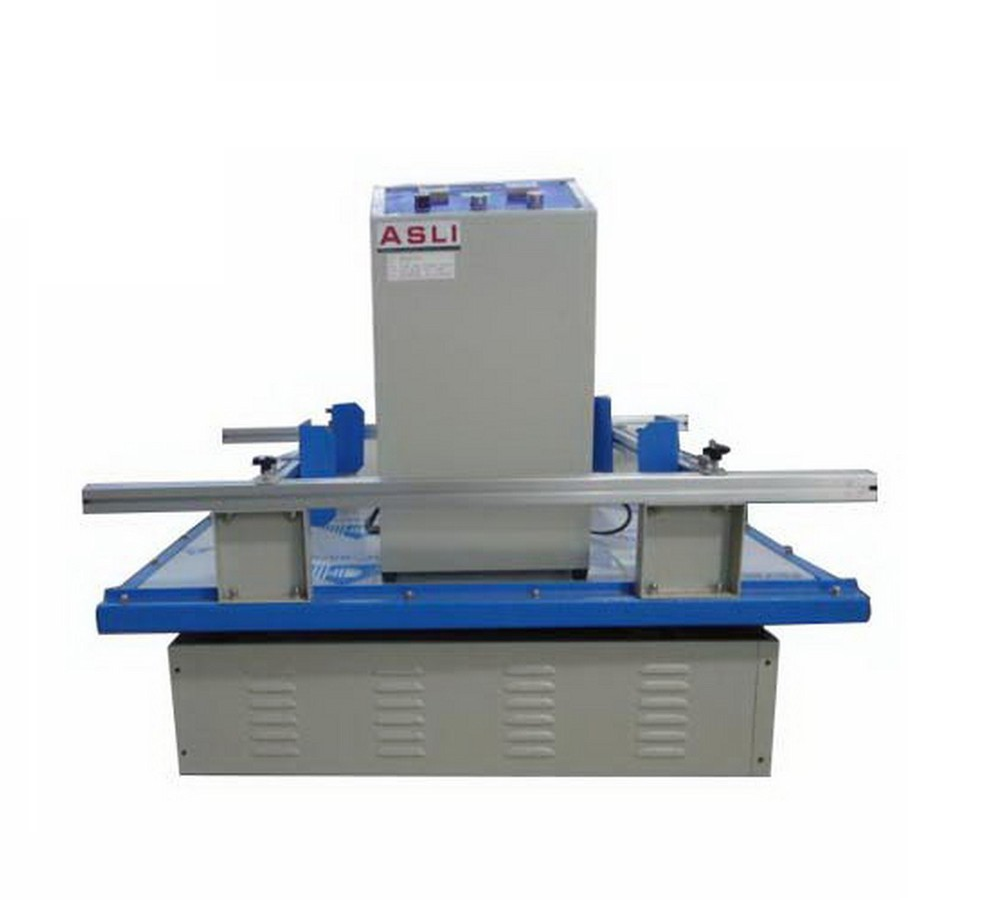
Why vibration tester repair matters
A vibration tester is expected to generate controlled mechanical motion so engineers can evaluate how a product behaves under repeated stress, transport simulation, or vibration exposure. When the machine no longer performs consistently, the issue is not only equipment failure; it can also affect test repeatability, maintenance planning, and the validity of pass/fail decisions.
Repair service is therefore more than a basic fix. A proper service approach helps identify the source of abnormal behavior, whether it relates to motion output, control response, electrical issues, mechanical wear, or supporting subsystems. For many B2B users, restoring the equipment to dependable working condition is essential for keeping qualification schedules on track.
Common service situations for vibration testers
Repair requests often begin with symptoms rather than a confirmed root cause. Operators may notice that the tester does not start properly, cannot maintain stable vibration, produces unusual noise, trips unexpectedly, or shows inconsistent behavior during repeated test cycles. In other cases, the system may still run, but the output no longer appears trustworthy for critical evaluation work.
These situations usually require a structured inspection process. Service teams need to review the condition of the equipment, check motion-related performance, examine wear-prone mechanical parts, and evaluate the integrity of the control and electrical sections. In practical terms, this helps determine whether the fault is localized or linked to a broader performance issue that could reappear if not corrected properly.
For companies operating multiple types of lab and physical testing equipment, it can also be useful to align service planning across related assets such as abrasion tester repair service and furnace repair support to reduce overall maintenance disruption.
Scope of a professional repair service
A well-handled repair service for vibration testing equipment typically focuses on fault diagnosis, corrective action, functional restoration, and post-repair verification. The exact work scope depends on the equipment condition, but the service should always aim to bring the tester back to reliable operating status rather than only addressing the most visible symptom.
In many industrial settings, users also expect clear communication on the repair path: what has failed, what needs replacement or adjustment, and what kind of follow-up checks are necessary before the system returns to active use. This is especially important for equipment that supports internal quality control, supplier validation, or product development programs where schedule delays can have a wider commercial impact.
Supported brands and representative service options
This category includes service references for brands such as KMT and JFM, both of which are relevant within the current scope of listed repair solutions. Rather than treating every unit in the same way, service should reflect the machine design, usage history, and the role it plays in the customer’s testing workflow.
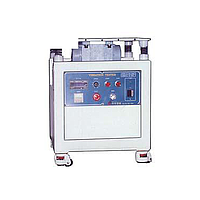
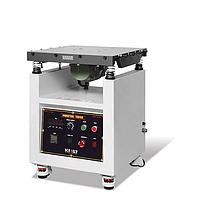
Representative examples in this category include the KMT Vibration Tester Repair Service and the JFM Vibration Shock Tester Repair Service. These examples illustrate the kind of brand-specific support organizations may look for when they need to restore equipment performance without replacing the full system. For buyers comparing service options, brand familiarity can be helpful, but the more important factor is whether the repair process addresses the actual operating condition of the tester.
How to evaluate the right repair approach
Choosing the right service path starts with understanding the business impact of the failure. If the tester is used for routine screening, the priority may be rapid return to operation. If it supports qualification, compliance, or customer-facing test documentation, the emphasis is usually on diagnostic accuracy and dependable performance after repair.
It is also useful to review the broader maintenance environment. Questions often include how often the system is used, whether it operates in a high-cycle test schedule, whether previous faults have recurred, and whether other mechanical testing assets are showing similar aging patterns. A structured repair decision helps avoid repeated stoppages and supports more predictable asset management.
In facilities that maintain a wider testing lab, related services such as discoloration meter repair or oxygen permeation system repair may be considered as part of a coordinated equipment service strategy.
Applications that depend on stable vibration testing
Vibration testers are used wherever products or materials must be evaluated under mechanical stress conditions. Depending on the industry, this may support packaging validation, transport simulation, component durability checks, or general product reliability assessment. Because the equipment influences how stress is applied to the test item, repair quality directly affects confidence in the testing process.
For this reason, organizations often look for service support that aligns with the real application, not just the machine label. A unit used occasionally for simple screening may have different service priorities from one used daily in a quality lab. In both cases, however, the end goal remains the same: restore stable test performance and reduce uncertainty in ongoing work.
What buyers should prepare before requesting service
Before arranging repair, it helps to gather a short record of the problem. Useful information can include the equipment brand, the operating symptoms, whether the issue is constant or intermittent, and any recent events such as transport, overload, power issues, or prolonged inactivity. Even a simple maintenance history can make troubleshooting more efficient.
Buyers may also benefit from identifying how urgent the repair is in relation to current testing demand. If the vibration tester supports a production release schedule, prototype validation, or customer audit activity, that context can help prioritize service handling. Clear problem reporting usually leads to faster diagnosis and a more practical repair plan.
Restore performance with a service strategy that fits your lab
Reliable vibration testing depends on more than a machine that powers on. It depends on consistent motion behavior, predictable operation, and enough confidence in the equipment to support real engineering and quality decisions. A focused vibration tester repair service helps bring that reliability back when faults start affecting output, repeatability, or uptime.
For companies managing mechanical and physical testing equipment, the right repair support should fit both the technical condition of the tester and the operational demands around it. Reviewing suitable service options for KMT, JFM, and related testing equipment can be a practical next step toward reducing downtime and keeping critical test work moving.
Get exclusive volume discounts, bulk pricing updates, and new product alerts delivered directly to your inbox.
By subscribing, you agree to our Terms of Service and Privacy Policy.
Direct access to our certified experts