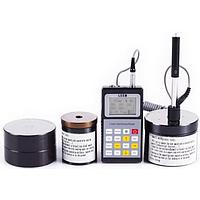
Hardness Meter Repair Service
When a hardness instrument starts producing unstable readings, fails to power on, or shows signs of impact damage, test results can quickly become unreliable. In production, incoming inspection, and quality control environments, that can lead to unnecessary rework, disputed measurements, or delays in material evaluation. A professional Hardness Meter Repair Service helps restore instrument performance so the device can return to daily use with greater confidence.
This category is intended for businesses that need support for portable and bench-related hardness measurement equipment from well-known brands. Whether the issue involves display problems, sensor response, mechanical wear, electronic faults, or general functional instability, repair service is often the practical next step before replacing the instrument entirely.
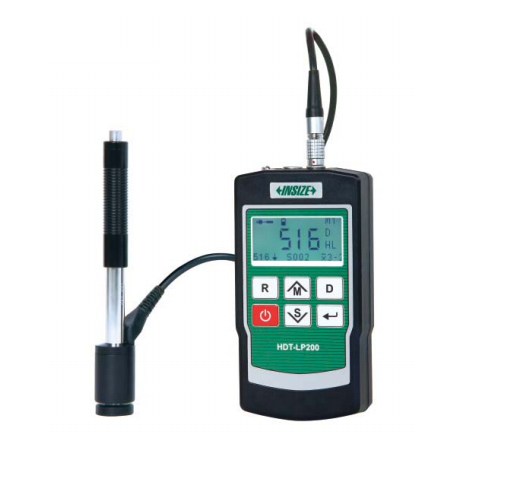
Why hardness meter repair matters in industrial measurement
Hardness testing plays an important role in checking material properties, verifying heat treatment results, and supporting process consistency across metalworking and manufacturing operations. Even small deviations in instrument behavior can affect decision-making, especially when hardness values are used as part of acceptance criteria or traceable inspection workflows.
A proper repair process is not only about making the unit turn on again. It is about addressing the root cause of the problem, checking key functional points, and restoring measurement reliability as far as the service scope allows. For many users, this is especially important when the instrument is already integrated into an established inspection routine alongside related tools such as thickness gauge repair services.
Typical issues covered by hardness meter repair service
Hardness meters can develop faults from repeated field use, accidental drops, aging components, environmental exposure, or improper handling during transport and storage. In portable instruments, problems often appear as inconsistent readings, poor probe response, connection failures, or abnormal device behavior during testing. In other cases, users may notice damaged housings, worn contact parts, keypad faults, or charging and battery-related issues.
Mechanical and electronic problems can also occur gradually. A device may still operate, but response time, repeatability, or user interface stability may decline over time. In quality-driven environments, it is usually more efficient to investigate these symptoms early rather than continue using an instrument with uncertain performance.
Supported brands and service examples
This category includes repair service references for a range of recognized manufacturers used in industrial testing and inspection. Examples include service support related to MITUTOYO, DEFELSKO, ELCOMETER, PCE, PROCEQ, TECLOCK, Cometech, KMT, NOVOTEST, and 3M equipment.
Representative service entries in this category include the 3M Ultrasonic Hardness Tester Repair Service, TECLOCK Hardness Tester Repair Service, DEFELSKO Hardness Tester Repair Service, Cometech Hardness Tester Repair Service, PROCEQ Hardness Tester Repair Service, ELCOMETER Hardness Tester Repair Service, KMT Hardness Tester Repair Service, PCE Hardness Tester Repair Service, Mitutoyo Hardness Tester Repair Service, and NOVOTEST Hardness Tester Repair Service. These references help illustrate the scope of supported equipment families without turning the page into a simple product list.
What to consider before sending a hardness meter for repair
Before requesting service, it is useful to document the instrument condition as clearly as possible. Note the brand, model designation, visible damage, power status, error symptoms, and whether the issue is constant or intermittent. If the problem occurs only during certain test conditions, that information can help shorten the initial diagnostic stage.
It is also good practice to mention any accessories involved in normal use, such as probes, chargers, cables, or carrying cases, if they may be related to the fault. For organizations managing multiple dimensional and inspection tools, keeping a structured service record is helpful across categories, especially when the same maintenance program also covers micrometer repair and other precision instruments.
Repair service in the context of instrument lifecycle management
For many B2B users, repair is part of a broader asset management strategy rather than an isolated event. A hardness meter may remain operational for a long time if issues are identified early, handled correctly, and followed by suitable verification before the unit returns to production or inspection work.
This makes repair service relevant not only for urgent failures but also for preventive planning. Companies that rely on a mix of hardness testers, dimensional tools, and coating or thickness inspection devices often benefit from a service approach that reduces downtime across the full measurement fleet. In that context, users may also explore related options such as calliper repair services when maintaining multiple instrument types under one workflow.
Choosing the right repair path for your equipment
The right service path depends on the instrument type, the severity of the fault, and the role of the device in your operation. If the hardness meter is used for routine verification, repeatability and stable functionality are usually the main concerns. If it supports incoming inspection, supplier qualification, or product release processes, repair decisions may need to account for tighter quality documentation and faster turnaround expectations.
Brand familiarity can also matter. Service requests tied to equipment from manufacturers such as DEFELSKO, MITUTOYO, PCE, or PROCEQ may involve different usage contexts, but the same practical principle applies: clear fault reporting and correct identification of the instrument help create a more efficient repair process.
When repair is a practical alternative to replacement
Replacing a hardness meter is not always the most efficient option, especially when the existing unit already fits the application, operators are trained on it, and the issue appears repairable. In many cases, restoring the original device can reduce disruption and preserve continuity in established inspection procedures.
Repair service is especially relevant when the fault is functional rather than structural, when the instrument remains suitable for the required testing method, or when organizations want to manage maintenance costs more carefully. Instead of making assumptions based only on symptoms, a service-based evaluation provides a more informed path forward.
Final considerations
A dependable hardness instrument supports better material verification, more consistent inspection results, and smoother day-to-day quality control. When problems appear, a specialized repair service offers a practical way to assess the issue, restore usability, and extend the working life of the equipment where appropriate.
If your team uses hardness testing as part of a wider measurement system, this category can also serve as a starting point for organizing related maintenance needs across other precision tools. The goal is not just to fix a fault, but to keep industrial measurement equipment working more reliably within real production and inspection environments.
Get exclusive volume discounts, bulk pricing updates, and new product alerts delivered directly to your inbox.
By subscribing, you agree to our Terms of Service and Privacy Policy.
Direct access to our certified experts