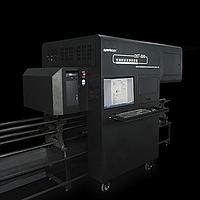
Optical Analyzer Repair Service
When an optical analyzer starts drifting, losing stability, or failing to produce repeatable measurements, the impact usually reaches far beyond a single instrument. In lighting labs, production quality control, and test environments, unreliable optical data can slow validation work, interrupt maintenance schedules, and create uncertainty in product performance. A well-structured optical analyzer repair service helps restore measurement confidence while extending the useful life of critical test equipment.
This category is intended for organizations that rely on optical analysis instruments as part of inspection, evaluation, or calibration workflows. Whether the issue involves power-up faults, unstable readings, communication problems, or general performance degradation, repair support is often the most practical path before considering replacement.
Why optical analyzer repair matters in technical environments
Optical analyzers are commonly used where measurement accuracy, repeatability, and traceable testing processes are important. Even minor faults can affect trend analysis, incoming inspection, R&D validation, or routine production checks. In many cases, the instrument may still power on, but hidden issues such as unstable optical response or interface errors can reduce trust in the results.
Repair services are especially relevant for B2B users who need to keep existing assets in operation, reduce equipment downtime, and maintain continuity across established test procedures. Instead of replacing an instrument immediately, repair can be a cost-conscious way to recover functionality and preserve workflow familiarity for technical teams.
Typical situations that lead to repair requests
Service needs vary depending on usage conditions, instrument age, and operating environment. Some units show obvious failures, while others develop gradual performance issues that only become visible when results stop matching expected trends or cross-check instruments.
Common reasons for sending an analyzer in for service include startup failure, display or control issues, inconsistent readings, abnormal response behavior, connector damage, and communication faults with host systems. In optical test setups, these symptoms may also be noticed when the analyzer no longer aligns well with related instruments such as an optical power meter repair service workflow or other verification tools used in the same lab.
Service coverage for major instrument brands
This category includes support examples for equipment from Lisun and EVERFINE, two brands often encountered in optical and photometric test environments. Brand-specific familiarity can be useful when evaluating faults, identifying likely problem areas, and planning the most appropriate repair route for the instrument in question.
Representative service items in this category include the Lisun Optical Analyzer Repair Service and the EVERFINE Optical Analyzer Repair Service. These listings help illustrate the scope of support available for organizations using established optical analysis platforms in testing, maintenance, or production applications.
What to consider before choosing a repair service
Not every fault presents itself in the same way, so it is useful to review the analyzer’s behavior in context. A good starting point is to note when the issue appears, whether it is constant or intermittent, and whether it affects core measurement functions, user controls, communication, or output consistency. This information can help speed up initial assessment and reduce unnecessary back-and-forth.
It is also important to distinguish between a true analyzer fault and issues originating elsewhere in the setup. Cabling, accessories, connected light sources, software settings, and environmental conditions can all influence apparent instrument performance. In broader optical maintenance workflows, users may also need related support such as OTDR photometer repair service when multiple devices in the chain are involved.
How repair support fits into maintenance planning
For many industrial and laboratory teams, repair is part of a wider equipment lifecycle management strategy. Instead of reacting only when complete failure occurs, organizations often monitor performance changes, document anomalies, and schedule service when results begin to drift or instrument behavior becomes unreliable. This approach can help avoid sudden interruptions in validation and inspection processes.
Optical analyzers are rarely standalone assets in real-world operation. They are typically part of a broader ecosystem of optical test and service equipment. Depending on the application, adjacent needs may include support for tools such as optical fault locator repair service or other optical device repair categories used in maintenance and troubleshooting programs.
Suitable applications for this category
This service category is relevant to companies and institutions that depend on stable optical testing in daily work. Typical users may include lighting manufacturers, electronics test labs, quality assurance departments, R&D teams, technical service centers, and educational or industrial laboratories that need dependable analyzer performance.
It is particularly useful when internal teams have already confirmed abnormal behavior and need a structured path for restoring the instrument. In these cases, repair evaluation can support practical decision-making by helping determine whether a unit should be serviced, further diagnosed, or managed as part of a wider equipment maintenance plan.
Preparing an analyzer for repair assessment
Before submitting a unit for service, it helps to record the model name, observed symptoms, error messages if any, and the conditions under which the problem occurs. Details such as whether the fault appears during warm-up, after extended use, or only in certain test modes can be valuable for technical assessment. Clear reporting often shortens the time needed to understand the issue.
If the analyzer is used in a system with multiple optical instruments, providing context about the surrounding setup can also be helpful. This is especially true when the suspected issue may involve interaction with other measurement tools, accessories, or production test stations rather than the analyzer alone.
Finding the right repair path for your optical analyzer
Choosing the right service option starts with understanding how critical the analyzer is to your workflow, how the fault affects measurement reliability, and whether related instruments show similar symptoms. For organizations using Lisun or EVERFINE equipment, reviewing the available service listings in this category can be a practical first step toward restoring normal operation.
A dependable optical analyzer repair service is not only about fixing a fault; it also supports continuity in testing, inspection, and quality control activities. If your instrument is showing instability, communication issues, or performance decline, this category provides a focused starting point for evaluating the appropriate repair solution.
Get exclusive volume discounts, bulk pricing updates, and new product alerts delivered directly to your inbox.
By subscribing, you agree to our Terms of Service and Privacy Policy.
Direct access to our certified experts