Optical Equipment Repair Service
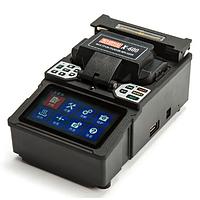
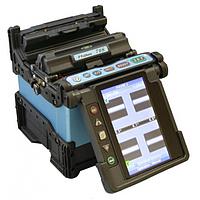
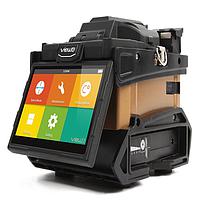
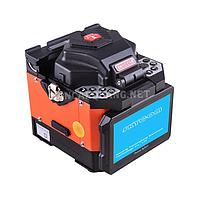
Reliable optical test equipment is essential for fiber installation, telecom maintenance, network troubleshooting, and laboratory measurement. When a power meter drifts, a visual fault locator weakens, or an analyzer stops responding consistently, repair is often the fastest way to restore workflow while protecting the value of specialized instruments. This page focuses on Optical Equipment Repair Service for commonly used tools across fiber optic testing and optical measurement environments.
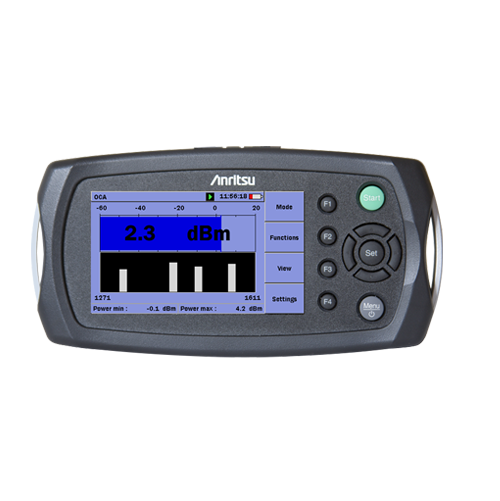
Repair support for optical instruments used in field and lab work
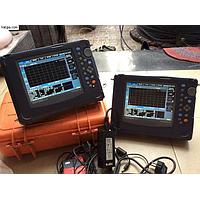
Optical equipment operates in demanding conditions: field testing on live networks, repeated connector handling, transport between sites, and long operating hours in technical service departments. Over time, this can lead to unstable readings, charging issues, display faults, damaged optical ports, failed laser output, key response problems, or communication errors that affect daily work.
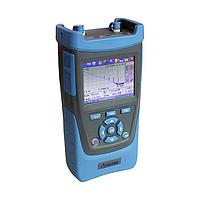
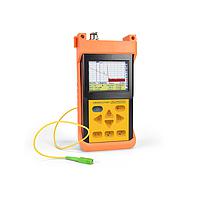
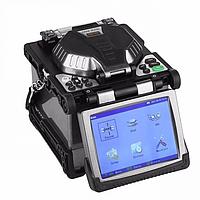
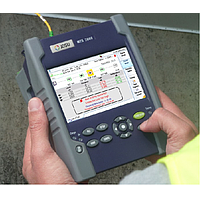
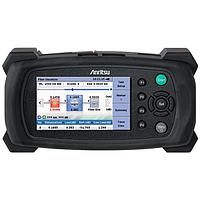
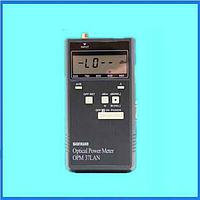
Our repair scope is relevant to several instrument groups within this category, including optical power meters, attenuation meters, visual fault locators, optical fiber identifiers, fiber rangers, and optical spectrum analyzers. For organizations managing broader fleets of electronic instruments, related support may also be useful in electrical and electronic meter repair services.
Typical devices covered in this category
This category is built around repair needs for practical optical and fiber test equipment rather than general-purpose electronics. In day-to-day maintenance work, common examples include the ANRITSU Optical Power Meter Repair Service, YOKOGAWA Optical Power Meter Repair Service, and the YOKOGAWA Optical Attenuation Meter Repair Service for instruments used to verify signal level and link loss conditions.
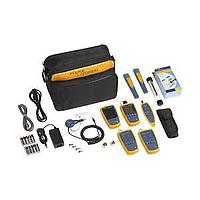
For fault isolation and cable tracing, services may also apply to tools such as the ANRITSU Visual Fault Locator Repair Service, Fluke Network Visual Fault Locator Repair Service, ANRITSU Optical Fiber Identifier Repair Service, Promax Optical Fiber Identifier Repair Service, and Fluke Network Fiber Ranger Repair Service. When analysis extends to spectral behavior, examples like the ANRITSU Spectrum Analyzer Repair Service, KEYSIGHT Spectrum Analyzer Repair Service, and METRIX Spectrum Analyzer Repair Service help illustrate the wider measurement ecosystem served here.
Common issues that lead to optical equipment repair
Many optical instruments are sent for service because their measurement confidence has declined. Users may notice fluctuating optical power readings, poor repeatability, loss values that no longer match known references, intermittent light emission in a fault locator, or unstable signal detection in identifier tools. In other cases, the problem is mechanical or electronic rather than optical, such as broken ports, battery and charging faults, keypad wear, display failure, or startup errors.
Another frequent trigger is accidental stress in the field. Impacts, contamination at connector interfaces, improper storage, and repeated plugging cycles can affect both performance and reliability. Instruments that combine optical, electronic, and firmware-controlled functions often require a repair approach that checks not only damaged parts but also overall operating stability after service.
Why specialized repair matters for optical test equipment
Unlike basic handheld tools, optical measurement instruments depend on stable signal handling, accurate detection, and proper interface condition. Even a small issue in the optical path or input stage can influence measurement results and lead to wrong decisions during installation or troubleshooting. That is why repair should focus on functional recovery in a way that supports real testing tasks, not only cosmetic restoration.
Brand familiarity can also matter when working with instruments from manufacturers such as ANRITSU, Fluke Network, YOKOGAWA, KEYSIGHT, METRIX, or Promax. Different product lines may use different optical interfaces, internal architectures, and user workflows, so service experience with professional test equipment is especially important when the instrument is part of a larger telecom or network maintenance process.
How to choose the right repair path
The most effective starting point is to identify the instrument type and the symptom seen in actual use. A power meter with inconsistent readings should be evaluated differently from a visual fault locator with weak output or a spectrum analyzer with display and sweep issues. Describing the failure in operational terms helps shorten diagnosis time and improves the chance of restoring the device to useful service quickly.
If your equipment base extends beyond optical tools, it may be practical to coordinate service planning across adjacent categories as well. For example, teams handling RF, embedded testing, or mixed electronics maintenance may also need oscilloscopes and logic analyzers repair service or DC/AC power supply repair service to keep the full bench operational.
Representative brands and service context
This category includes repair demand associated with well-known optical and electronic test brands such as Fluke Network, YOKOGAWA, KEYSIGHT, METRIX, and Promax, along with fiber-focused names commonly used in telecom environments. In many service scenarios, the brand is less important than the instrument role: locating faults, identifying live fiber, checking attenuation, measuring optical power, or analyzing signal behavior.
That said, manufacturer ecosystem can still influence user expectations for interfaces, accessories, and application workflows. Organizations that standardize on one supplier may prefer service options aligned with that installed base, whether they use handheld field tools or more advanced analyzers. Readers working with network certification and fiber test platforms may also want to explore the Fluke Network brand page for related equipment context.
What to prepare before sending an instrument for repair
Before arranging service, it helps to record the model name, visible symptoms, power behavior, connector condition, and any error messages. If the issue appears only during specific tasks, such as measuring low optical levels or checking active fiber, note those conditions clearly. This information can be more useful than a generic statement that the unit is “not working.”
It is also a good idea to include relevant accessories only when they are directly linked to the fault, such as chargers or adapters involved in the power issue. For optical tools, protecting the interface area during packing is especially important. A clear service description usually leads to a smoother repair workflow and reduces unnecessary back-and-forth during inspection.
Supporting stable operation across your optical maintenance workflow
Optical instruments are often part of a connected service chain: installers verify links, technicians isolate faults, and maintenance teams confirm performance after intervention. When one device becomes unreliable, it can delay the entire workflow and create uncertainty in measurement results. A focused repair service for optical equipment helps extend instrument life and supports more dependable testing in the field or on the bench.
Whether you are maintaining optical power meters, attenuation meters, fiber identifiers, fault locators, fiber rangers, or analyzer platforms, choosing the right repair path starts with matching the service to the actual application and failure symptoms. This category is designed to help buyers and technical teams find relevant repair support for specialized optical test tools without turning the selection process into guesswork.
Get exclusive volume discounts, bulk pricing updates, and new product alerts delivered directly to your inbox.
By subscribing, you agree to our Terms of Service and Privacy Policy.
Direct access to our certified experts