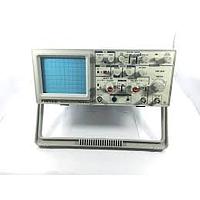
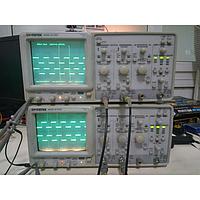
Oscilloscopes, Logic Analyzers Repair Service
When waveform capture becomes unstable or timing measurements can no longer be trusted, troubleshooting slows down across the entire lab or production environment. This is where Oscilloscopes, Logic Analyzers Repair Service becomes especially important: it helps restore critical test instruments used in electronics design, maintenance, validation, and industrial diagnostics.
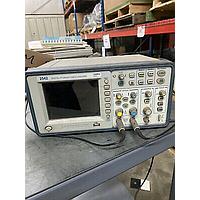
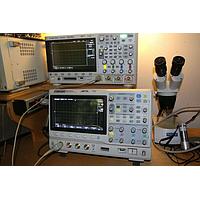
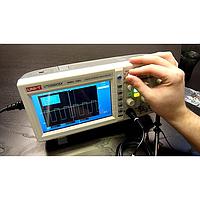
From bench-top digital scopes to handheld units, PC-based oscilloscopes, and logic analyzers, repair work in this category supports equipment that engineers rely on for signal visibility and bus-level analysis. For companies that depend on accurate electrical measurement, repairing an existing instrument can be a practical way to return assets to service and reduce disruption.
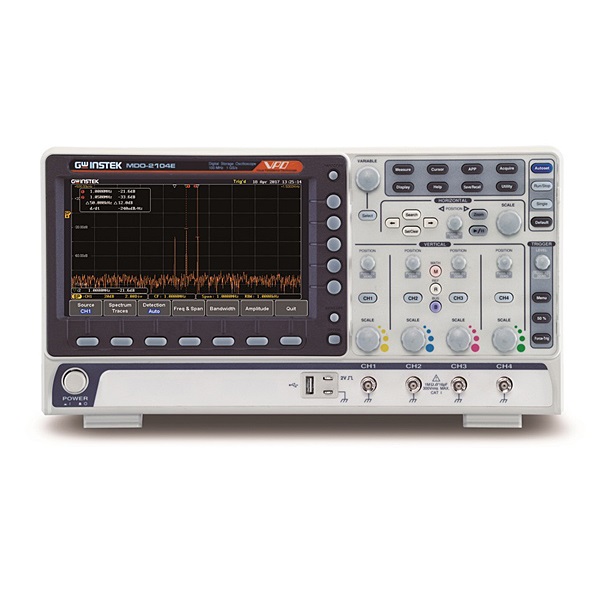
Repair support for oscilloscopes and logic analyzers used in real-world testing
Oscilloscopes and logic analyzers are central to diagnosing analog behavior, digital timing, communication problems, and intermittent faults. In R&D, maintenance, field service, and electronics manufacturing, these instruments are often exposed to heavy use, transport stress, aging components, or accidental input overload.
A dedicated repair service for this equipment is relevant when users notice issues such as display abnormalities, unstable triggering, missing channels, battery or power problems in portable units, communication errors in PC-based instruments, or unreliable acquisition performance. In many cases, the objective is not simply to power the unit back on, but to restore dependable measurement behavior for daily work.
Types of instruments covered in this category
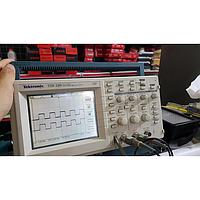
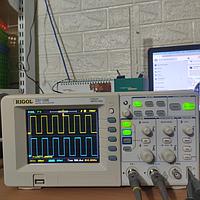
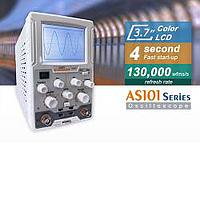
This category spans a broad range of service needs rather than a single device type. It includes support for conventional analogue and digital oscilloscopes, portable and handheld models for field diagnostics, PC oscilloscopes used in compact test setups, and logic analyzers required for digital bus observation and timing correlation.
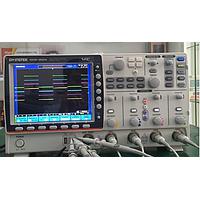
Examples within this scope include services such as KEYSIGHT Logic Analyzers Repair Service, PICO PC Oscilloscope Repair Service, NI PC Oscilloscope Repair Service, GW INSTEK Digital Oscilloscope Repair Service, and FLUKE Handheld Oscilloscope Repair Service. These examples reflect how the category serves different measurement formats, from embedded development benches to mobile troubleshooting in electrical and electronic systems.
Common situations that lead to repair requests
Repair demand often starts with symptoms that affect confidence in the measurement result. A scope may boot normally but show noisy traces, incorrect scaling, trigger instability, or intermittent channel response. A logic analyzer may have connection, sampling, or recognition problems that make digital debugging difficult even if the hardware appears physically intact.
Portable devices can also develop faults related to connectors, charging circuits, screens, and environmental exposure. PC-connected instruments add another layer of complexity because users may be dealing with both hardware faults and interface-related issues. In these cases, proper service helps separate instrument failure from software, cable, or host-system causes.
For organizations managing broader test assets, it may also be useful to review related services such as electrical and electronic meter repair when multiple instrument groups require maintenance planning.
Support across major instrument brands
Repair requirements vary by platform, form factor, and application, so brand familiarity can matter in practice. This category is relevant for equipment from manufacturers commonly used in industrial and laboratory environments, including KEYSIGHT, FLUKE, NI, PICO, Rohde & Schwarz, TEKTRONIX, YOKOGAWA, BKPRECISION, EXTECH, and GW INSTEK.
Representative service items in this category include KEYSIGHT PC Oscilloscope Repair Service, Rohde & Schwarz Handheld Oscilloscope Repair Service, EXTECH Handheld Oscilloscope Repair Service, BKPRECISION Handheld Oscilloscope Repair Service, and GW INSTEK Analogue Oscilloscope Repair Service. Mentioning these examples helps clarify coverage across bench, handheld, and PC-based platforms without limiting the category to only one equipment style.
How to choose the right repair path
Selecting a suitable repair service usually starts with identifying the instrument type and the failure behavior. An analogue oscilloscope, a digital storage oscilloscope, a handheld unit, and a logic analyzer each have different operating architectures, so the reported symptom should be described as clearly as possible. Useful details include startup condition, channel status, trigger behavior, display issues, accessory or connector problems, and whether the fault is constant or intermittent.
It also helps to match the service request to the actual equipment family. A PC oscilloscope repair request should focus on the acquisition unit and hardware behavior, while a logic analyzer case should highlight protocol capture or timing issues. Where maintenance needs extend beyond waveform instruments, companies may also compare options such as DC/AC power supply repair service to keep the wider test setup operational.
Why repair matters in B2B test and measurement environments
In technical operations, a failed oscilloscope or logic analyzer can affect more than one workstation. It may delay fault isolation, interrupt product verification, or reduce available capacity in service labs and production support teams. Repair therefore plays a role in equipment lifecycle management, especially when organizations need to maintain continuity with existing fixtures, procedures, and operator familiarity.
For many users, the practical value of repair lies in returning a known instrument to usable condition without immediately changing workflows. This can be especially relevant for handheld scopes used by field technicians, PC oscilloscopes integrated into compact setups, or logic analyzers associated with established digital development processes.
Related service categories worth considering
Oscilloscopes and logic analyzers often operate alongside other instruments in the same workflow. If a maintenance program covers several classes of equipment, nearby service categories can help create a more complete support plan. Depending on the application, teams may also need thermometer and thermal camera repair services for thermal diagnostics or condition-based troubleshooting.
In facilities where mechanical inspection tools are part of the same quality or maintenance process, mechanical measuring instrument repair may also be relevant. These adjacent categories are not replacements for oscilloscope service, but they help organizations manage instrument reliability more consistently across departments.
Choosing service with the instrument application in mind
The best starting point is to think about how the instrument is used: bench debugging, field maintenance, PC-connected measurement, or digital timing analysis. That context helps determine the most suitable repair path and makes fault reporting more accurate. It also reduces back-and-forth during service intake.
Whether the requirement involves a handheld unit from FLUKE, a PC oscilloscope from PICO or NI, a digital scope from GW INSTEK, or a KEYSIGHT logic analyzer, this category is designed to support the restoration of essential test and measurement equipment. A clear service request, aligned to the actual device type and symptom, is the most practical way to get the instrument back into productive use.
Get exclusive volume discounts, bulk pricing updates, and new product alerts delivered directly to your inbox.
By subscribing, you agree to our Terms of Service and Privacy Policy.
Direct access to our certified experts