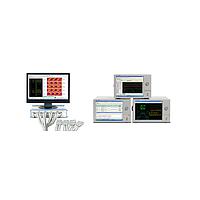
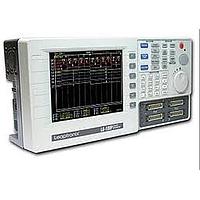
Logic Analyzers Repair Service
When digital buses, timing relationships, or trigger events become unreliable, troubleshooting can stall even if the rest of the test bench appears operational. In many labs, service centers, and manufacturing environments, a faulty logic analyzer means delayed diagnostics, incomplete waveform correlation, and less confidence in high-speed digital verification. That is why Logic Analyzers Repair Service is an important support category for teams that depend on accurate signal capture and timing analysis.
Whether the issue involves unstable acquisition, communication problems, display faults, or inconsistent triggering behavior, repair work helps restore instrument usability and extend the working life of valuable test equipment. This category is intended for organizations looking for practical repair options for logic analyzers used in electronics design, maintenance, validation, and production support.
Why logic analyzer repair matters in digital test environments
A logic analyzer is typically used when engineers need visibility into digital timing, protocol activity, and multi-channel logic states that are difficult to verify with basic tools alone. When the instrument develops faults, even routine debugging can become slower because engineers lose a reliable way to inspect bus transactions, trigger sequences, and timing dependencies across multiple channels.
Repair service is especially relevant for B2B users who need to keep test assets available without unnecessary replacement. In many cases, restoring an existing unit is a practical path for maintenance teams, contract manufacturers, and engineering departments that rely on established workflows and accessory setups.
Common service needs for logic analyzers
Repair requirements can vary depending on instrument age, usage intensity, and operating conditions. Some service requests are prompted by clear hardware symptoms, while others begin with intermittent issues that only appear during certain trigger conditions or longer acquisition sessions.
Typical concerns may include startup problems, display or interface faults, unexpected measurement behavior, failed input channels, unstable triggering, or connectivity issues during data transfer and control. For digital troubleshooting, even a small fault can affect confidence in captured results, so instrument reliability is often just as important as basic power-on status.
In practice, service evaluation may also be relevant when the unit still operates but no longer performs consistently enough for engineering or maintenance work. This is particularly important where repeatability, troubleshooting speed, and dependable event capture are part of the daily workflow.
Representative brands and service examples
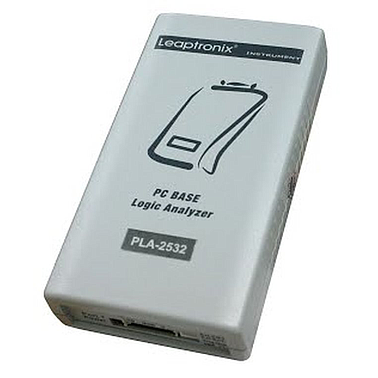
This category includes repair support examples for major logic analyzer platforms from manufacturers such as KEYSIGHT and LEAPTRONIX. For teams already using these brands in development or service environments, repair can help preserve familiar interfaces, existing accessories, and known test procedures.
Representative service listings include KEYSIGHT Logic Analyzers Repair Service and LEAPTRONIX Logic Analyzers Repair Service. These examples help illustrate the scope of supported service demand within the category, especially for organizations that prefer to maintain continuity with installed equipment rather than immediately replacing it.
Brand-specific service can also be relevant when users need support aligned with the characteristics of a particular instrument family. Even so, repair decisions are usually based on overall condition, operational value, and how critical the analyzer is within the broader test system.
How to evaluate whether repair is the right option
For many companies, the decision is not simply repair versus replacement. It is often a question of downtime, replacement lead time, retraining impact, and compatibility with the current bench setup. If an existing logic analyzer is already integrated into established debug procedures, restoring it may reduce disruption compared with introducing a different platform.
It is also useful to consider the role of the analyzer in relation to other instruments. In mixed-signal or embedded debug workflows, logic analyzers often work alongside oscilloscopes and related measurement tools. If the broader bench also requires service support, users may want to review related options such as digital oscilloscope repair service or PC oscilloscope repair service where relevant.
A sensible evaluation usually looks at symptom severity, business criticality, instrument age, and whether the analyzer still fits the current application. This approach helps buyers and maintenance teams make a decision based on operational value rather than on product age alone.
Typical applications that depend on a stable logic analyzer
Logic analyzers are widely used in embedded development, digital electronics troubleshooting, board-level validation, and manufacturing support. They are especially helpful when technicians or engineers need to inspect logic states across many channels at once, analyze control sequences, or confirm whether events occur in the expected order.
In production and repair settings, these instruments can support root-cause analysis for communication problems, startup failures, timing errors, and intermittent digital faults. In design environments, they help verify whether firmware, control logic, and hardware are interacting correctly under real operating conditions. That makes signal integrity in captured digital events and dependable triggering behavior essential for meaningful analysis.
What buyers and maintenance teams should look for in a service category
For B2B procurement and technical teams, a useful repair category should make it easier to identify relevant brand coverage, product examples, and nearby service paths within the same instrument ecosystem. This is particularly important when multiple test instruments require maintenance planning at the same time.
It is also helpful when the category supports straightforward navigation between instrument types and manufacturers. In this case, users can quickly explore repair paths associated with known brands such as KEYSIGHT and LEAPTRONIX, while also comparing adjacent service categories for oscilloscopes if their service requirement extends beyond logic analyzers.
From an operational perspective, the goal is not only to restore power or display function, but to return the analyzer to a condition suitable for dependable debug and verification work. For many organizations, that means prioritizing service options that support continued use of existing test processes and bench familiarity.
Choosing the right repair path for ongoing equipment support
Repair service for logic analyzers is most valuable when the instrument still plays an active role in diagnosing digital systems, validating interfaces, or supporting production troubleshooting. A well-matched service path can help reduce disruption, protect prior equipment investment, and keep established workflows intact.
If your team relies on logic analyzers for day-to-day debug or fault isolation, this category provides a focused starting point for identifying suitable repair options, including examples from KEYSIGHT and LEAPTRONIX. Combined with related oscilloscope service categories where needed, it supports a more practical approach to maintaining a complete and usable electronic test environment.
Get exclusive volume discounts, bulk pricing updates, and new product alerts delivered directly to your inbox.
By subscribing, you agree to our Terms of Service and Privacy Policy.
Direct access to our certified experts