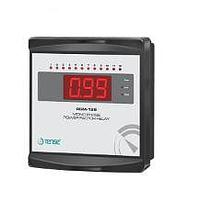
Power Controller Repair Service
When a power controller starts behaving unpredictably, the impact is usually felt immediately in production stability, heating control, motor response, or overall process consistency. In many industrial systems, restoring the controller quickly is more cost-effective than replacing surrounding equipment, especially when the existing control architecture is still suitable for the application. This page brings together Power Controller Repair Service options for common industrial requirements, with support focused on practical recovery of controller performance and system reliability.
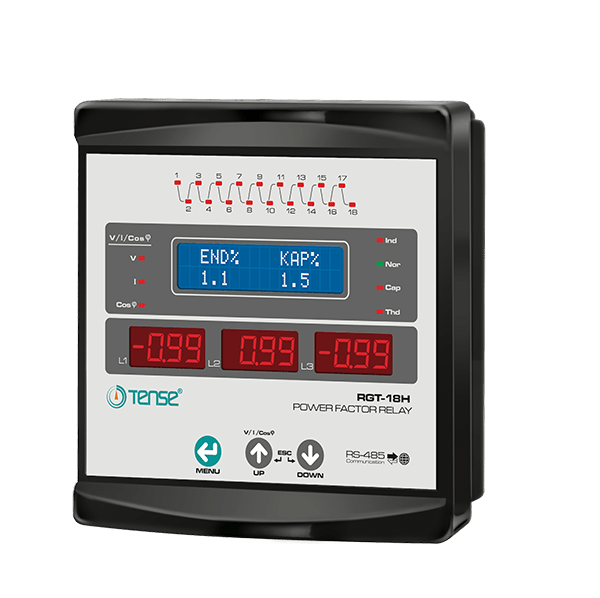
Why power controller repair matters in industrial systems
A power controller plays a central role in regulating electrical output to a load, helping maintain stable operation in equipment that depends on controlled power delivery. When faults appear, they can lead to unstable output, poor process repeatability, nuisance shutdowns, or difficulty maintaining target operating conditions.
Repair service is often considered when the installed unit is already integrated into a panel, connected to existing wiring, and matched to the process requirements. In these cases, a structured repair approach can help reduce downtime, preserve system compatibility, and extend the usable life of the equipment without forcing an immediate redesign.
Typical situations where repair service is needed
Power controller issues may show up in different ways depending on the application. Some users see irregular output behavior, while others notice that the controller no longer responds correctly to setpoint changes, external signals, or load variations. In continuous or batch processes, even small control instability can affect quality, energy use, and throughput.
Repair is especially relevant when the controller is part of a broader automation chain that includes sensors, PLCs, operator interfaces, or online monitoring devices. If your maintenance scope also includes related field instruments, it may be useful to review services such as load cell controller repair or conductivity and TDS controller repair for connected process equipment.
Supported brands and representative repair service options
This category includes repair service coverage for several well-known controller brands used in industrial environments. Available examples include the MADE product ecosystem, along with service options for TENSE, Vessel, and Sansel equipment where controller recovery is required.
Representative service entries in this category include MADE Power Controller Repair Service, Sansel Power Controller Repair Service, TENSE Power Controller Repair Service, and Vessel Power Controller Repair Service. These examples help illustrate the range of supported equipment without turning the page into a model list, and they are relevant for users who need service aligned with the original brand platform already installed in the field.
What to consider before sending a controller for repair
Before arranging service, it helps to confirm the controller brand, visible model information, and the operating symptoms observed in the system. Useful details may include whether the issue is constant or intermittent, whether it occurs under load, and whether related components such as sensors, contactors, or upstream power supplies are operating normally. This context can make troubleshooting more efficient and improve the chances of a targeted repair outcome.
It is also worth considering the role of the controller within the full process. A fault may appear to be inside the controller while the root cause is influenced by feedback devices, wiring conditions, or process-side components. In systems with multiple online instruments, some users may also need related support for devices such as chlorine sensor and online controller repair, especially where control and measurement loops interact closely.
Repair service in the context of process reliability
Industrial repair service is not only about fixing a failed unit. In many facilities, the goal is to restore predictable control behavior so that the wider machine or process can return to stable operation. For that reason, repair decisions are usually tied to maintenance planning, spare part strategy, and the criticality of the controlled load.
In applications involving heat regulation, drive-related power adjustment, or automated production sequences, a working controller supports repeatable operation and safer system response. Choosing repair over replacement can also help when panel layouts, electrical interfaces, or machine documentation are built around the current unit and changing hardware would introduce unnecessary complexity.
How to choose the right repair path
The best repair path depends on how critical the controller is, how quickly the process must be restored, and whether the existing equipment remains suitable for future use. For some operations, repairing the current unit is the most practical option because it avoids changes to programming, mounting, or surrounding electrical components. For others, repair evaluation helps determine whether maintaining the installed platform is still viable.
Brand familiarity can also be important. If your site standardizes on a specific manufacturer, it may be helpful to review the related product pages for TENSE and other supported brands in this category. This can provide broader context when planning maintenance for multiple assets using similar controller platforms.
Applications where power controller repair is commonly relevant
Power controllers are used in a wide range of industrial settings where electrical output must be adjusted or stabilized as part of process operation. Typical environments include manufacturing lines, utility systems, machine panels, and process installations where controlled power delivery influences performance, efficiency, or product consistency.
Repair service becomes particularly relevant when these controllers are embedded in systems that are otherwise mechanically sound and still aligned with production needs. In such cases, restoring the controller can be a practical way to return equipment to service while maintaining the original system structure and minimizing disruption to operations.
Practical support for ongoing maintenance planning
This category is intended for users who need a clear route to controller repair support rather than generic product browsing. Whether the requirement involves a MADE, Sansel, TENSE, or Vessel unit, the focus is on helping industrial users address faults in installed power control equipment with a service-based approach that fits real maintenance conditions.
If your facility manages several types of online instruments and control devices, reviewing repair categories by device type can also support better maintenance planning across the plant. A well-organized repair strategy helps reduce avoidable replacement costs, shortens downtime, and keeps critical systems operating with greater confidence.
For maintenance teams, system integrators, and plant operators, choosing the right Power Controller Repair Service starts with understanding the controller’s role in the process and the practical value of restoring the existing unit. This category provides a focused starting point for that decision, with service options linked to relevant industrial brands and adjacent repair needs.
Get exclusive volume discounts, bulk pricing updates, and new product alerts delivered directly to your inbox.
By subscribing, you agree to our Terms of Service and Privacy Policy.
Direct access to our certified experts