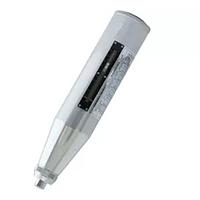
Concrete Test Hammer Repair Service
Accurate rebound hammer readings matter when concrete strength needs to be checked quickly on site, in the lab, or during maintenance inspections. When a test hammer starts giving inconsistent values, sticks during operation, or shows signs of wear, timely Concrete Test Hammer Repair Service helps restore dependable performance and reduces the risk of incorrect assessment results.
This service category is intended for users who need repair support for concrete rebound hammers used in civil engineering, construction quality control, and structural evaluation. Whether the issue involves impact performance, scale indication, mechanical wear, or general serviceability, proper repair work is an important step before returning the instrument to routine testing.
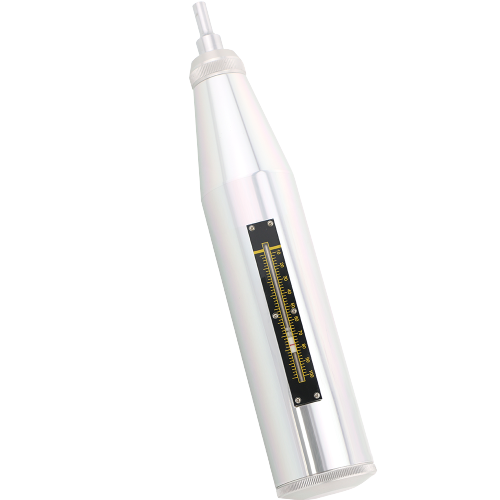
Why repair matters for a concrete test hammer
A concrete test hammer is a mechanical instrument that depends on repeatable impact energy and stable internal movement. Over time, springs, impact components, guides, and indication mechanisms can be affected by frequent use, dust, accidental drops, or improper storage. Even small deviations can influence repeatability and make field readings less trustworthy.
Repair is not only about fixing a damaged tool. In many cases, it is also about restoring measurement consistency so the instrument can continue to support routine inspection work. For contractors, testing laboratories, and asset owners, this is especially relevant when rebound results are used as part of broader concrete condition checks.
Common situations that indicate service is needed
Users typically look for repair support when the hammer no longer releases smoothly, the rebound movement feels irregular, or the displayed values appear unstable compared with expected results. Mechanical sticking, worn internal parts, abnormal impact behavior, or visible housing damage are also common reasons to send the instrument for inspection.
Another practical reason is preventive maintenance. A hammer may still function, but prolonged use in demanding environments can gradually affect reliability. Sending the unit for repair or service before major failure can help avoid disruption during site testing, quality control workflows, or scheduled audits.
What this service category generally covers
Concrete test hammer repair usually focuses on the mechanical condition of the instrument and its ability to operate as intended. Depending on the instrument’s condition, service may include fault diagnosis, replacement of worn parts, internal cleaning, mechanism adjustment, and functional checks after repair. The exact scope depends on the unit received and the symptoms observed during inspection.
For organizations managing several concrete testing instruments, repair should be viewed as part of a broader equipment care strategy. If your workflow also includes reinforcement location or cover inspection, related support may be relevant through cover meter and rebar detector repair services. In concrete diagnostics, some users also combine rebound testing with concrete ultrasonic detector repair support for other inspection methods.
Supported brands and example repair services
This category includes repair options for widely used brands in concrete testing, including ELCOMETER, Matest, and PROCEQ. These manufacturers are well known in concrete inspection and non-destructive testing environments, and brand-specific service references help users identify the most relevant repair path for their equipment.
Representative examples in this category include the Proceq Concrete Test Hammer Repair Service, Elcometer Concrete Test Hammer Repair Service, and Matest Concrete Test Hammer Repair Service. These examples are useful as a guide for users who already know the brand of their instrument and want a more direct route to repair assistance without having to search through broader service listings.
How to choose the right repair path
The most practical starting point is to identify the hammer brand, visible condition, and the main fault symptoms. If the instrument fails to trigger correctly, produces inconsistent rebound behavior, or has suffered impact damage, providing these details early can make the repair process more efficient. For service teams, symptom-based information is often just as useful as the model reference when planning inspection.
It is also worth considering how the hammer is used in your workflow. Instruments used frequently on active construction sites may require more regular servicing than those used occasionally in a controlled lab environment. If your organization handles multiple concrete and rebar testing methods, grouping maintenance by instrument type can simplify equipment uptime planning.
Repair service in the context of concrete inspection workflows
Rebound hammers are often part of a wider inspection toolkit rather than a standalone decision tool. In practice, users may pair them with methods related to reinforcement detection, permeability assessment, or corrosion investigation depending on the structure and inspection objective. That is why keeping each instrument in serviceable condition supports not just one test, but the overall quality of the inspection process.
Where broader maintenance planning is needed, users may also review related categories such as permeability tester repair service. This kind of category-level navigation is helpful for laboratories, contractors, and asset inspection teams responsible for several types of concrete testing equipment.
When repair is preferable to replacement
In many cases, repair is a sensible option when the instrument body remains fundamentally usable and the problem is linked to wear, contamination, impact mechanism issues, or degraded internal movement. A professionally repaired unit can often return to practical service for routine testing, especially when the damage does not involve severe structural failure of the device.
Replacement may be considered when the instrument has extensive physical damage or when repair is no longer economical. However, for many users, repair is the more efficient choice because it helps preserve familiar equipment and supports continuity in established testing routines. The right decision depends on condition, usage frequency, and the importance of reliable field results.
Final considerations before sending a unit for service
Before arranging repair, it helps to record the observed fault, check for any visible damage, and identify the brand or product reference where possible. Clear information shortens the inspection stage and improves the chance of receiving suitable service recommendations. It is also useful to note whether the issue is constant or only appears intermittently during testing.
For teams that depend on rebound testing as part of concrete quality assessment, a well-timed repair service can help maintain operational continuity and confidence in day-to-day measurements. This category brings together relevant repair options for concrete test hammers so users can find appropriate service support more efficiently and keep essential inspection equipment working as expected.
Get exclusive volume discounts, bulk pricing updates, and new product alerts delivered directly to your inbox.
By subscribing, you agree to our Terms of Service and Privacy Policy.
Direct access to our certified experts