Temperature Tester for Soldering Repair Service
Stable soldering results depend on one factor that is often underestimated: accurate temperature verification. In electronics assembly, rework, and SMT maintenance, even small deviations in tip, head, or process temperature can affect wetting, joint quality, component safety, and repeatability. That is why repair support for temperature checking equipment remains important for production lines, service centers, and technical labs that rely on consistent thermal control.
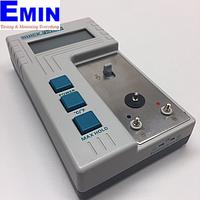
Temperature Tester for Soldering Repair Service supports users who need to restore the performance of testing and calibration devices used around soldering processes. This category is relevant when a temperature tester, calibration unit, or related measurement instrument no longer gives reliable readings, shows unstable behavior, or requires maintenance to return to normal operation.
Why temperature verification matters in soldering operations
In manual soldering, automated soldering, and rework applications, temperature is not just a machine setting on the controller. What matters in practice is the actual thermal condition at the working point, such as the soldering tip, heating head, or contact area. If the real temperature differs from the indicated value, process quality can become inconsistent even when the operator follows the same procedure.
A properly functioning temperature tester helps technicians check whether equipment is operating within expected conditions. This is useful for troubleshooting poor solder flow, checking heat recovery behavior, validating maintenance work, and supporting process control in environments where repeatability is important.
What this repair service category typically covers
This category focuses on repair needs related to instruments used for temperature measurement, checking, and calibration in soldering environments. These devices may be used to verify soldering station output, inspect welding head temperature, or assess process conditions linked to solderability and thermal performance.
Typical issues can include unstable readings, sensor input problems, display faults, connector damage, calibration drift, response delays, or general wear from workshop and production use. The goal of repair is not only to power the device back on, but to help restore measurement reliability so the instrument can continue supporting quality control and maintenance tasks.
Representative equipment and brands in this category
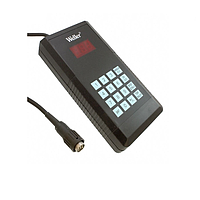
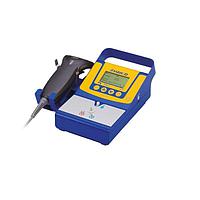
Several well-known manufacturers appear frequently in temperature-related soldering workflows. Users working with HAKKO tools may need support for equipment such as the HAKKO Welding Head Temperature Checking Device Repair Service, especially when verification of heating performance is part of routine maintenance. In similar environments, WELLER temperature measuring and calibration devices are also used to check thermal accuracy across soldering applications.
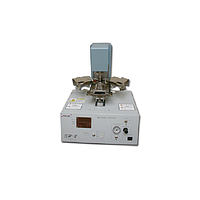
This category also includes more specialized testing contexts. For example, the Malcom Solder-Paste Wetting Tester Repair Service relates to process evaluation where thermal behavior and solder response are part of broader quality assessment. While each device serves a different role, they all support one common objective: better control of soldering conditions through dependable testing equipment.
When to consider repair instead of replacement
Repair is often worth considering when the device remains relevant to your workflow, but no longer performs consistently. A unit may still start up and appear functional, yet produce readings that vary too much for practical use. In a soldering process, that kind of uncertainty can lead to wasted time during troubleshooting and reduced confidence in setup validation.
Choosing repair can be especially practical for established instruments already integrated into maintenance routines, operator training, or internal quality checks. For B2B users, restoring an existing tester may reduce disruption compared with changing to a different platform or reworking a familiar process around a new instrument.
How repaired temperature testing equipment supports quality control
Once restored, these instruments help teams verify whether soldering systems are delivering heat as expected. That can support routine inspection before production, confirmation after maintenance, and investigation of process problems such as poor wetting, overheating, insufficient heat transfer, or inconsistent solder joint appearance.
In a broader service environment, temperature testing is only one part of maintaining soldering capability. Facilities that also maintain cutting, assembly, or robotic soldering systems may benefit from related services such as soldering station repair service or welding robot repair service when the issue extends beyond the measuring device itself.
Key points to review before selecting a repair service
Before arranging service, it helps to identify the device role in your process. Some units are used for direct temperature checking at the tip or head, while others are intended for calibration support or wetting-related test evaluation. Understanding how the instrument is used can make fault description clearer and improve the repair workflow.
It is also useful to record symptoms such as unstable values, missing channels, abnormal startup, intermittent operation, or suspected sensor problems. If the tester is linked to a larger soldering or rework setup, note whether the issue appears continuously or only under production conditions. This kind of information helps narrow down whether the fault is within the tester, the interface, or the surrounding equipment.
Suitable applications across electronics production and maintenance
This service category is relevant to electronics manufacturers, SMT lines, maintenance departments, repair workshops, and technical teams responsible for rework quality. Any operation that depends on controlled heating can benefit from reliable verification tools, especially where product quality, process repeatability, and equipment condition all need to be monitored over time.
It is equally useful in environments where different soldering technologies coexist, from manual stations to specialized heads and process test systems. In those cases, repaired test instruments help maintain confidence in thermal settings and provide a more dependable basis for process adjustment and fault finding.
Choose repair support based on actual testing needs
The right service choice depends on what your instrument is meant to verify and how critical that check is to daily operation. Whether the requirement involves a HAKKO temperature checking device, a WELLER calibration unit, or a Malcom wetting-related tester, the main priority is restoring dependable function for real production and maintenance tasks.
If your team is troubleshooting soldering quality issues or maintaining a broader electronics repair workflow, this category provides a focused path for servicing temperature-related testing equipment. A properly repaired tester can help reduce uncertainty, support process consistency, and make thermal verification more useful in everyday soldering operations.
Get exclusive volume discounts, bulk pricing updates, and new product alerts delivered directly to your inbox.
By subscribing, you agree to our Terms of Service and Privacy Policy.
Direct access to our certified experts