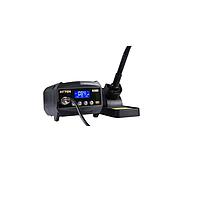
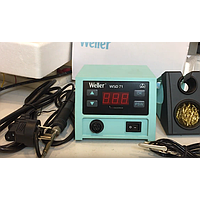
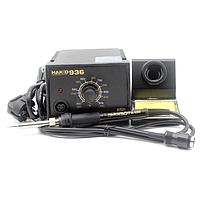
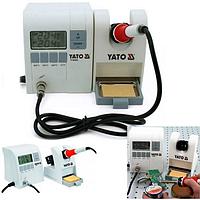
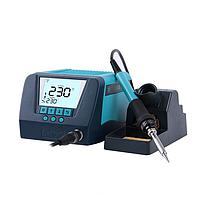
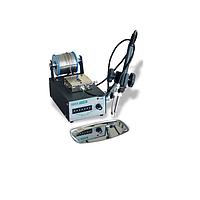
Soldering station Repair Service
Stable soldering performance is critical in electronics production, maintenance, and rework. When a station starts showing temperature drift, intermittent heating, poor tip response, or power instability, repair is often a practical way to restore reliability without interrupting the entire workflow. This page covers soldering station repair service for industrial, workshop, and technical service environments that depend on consistent hand-soldering quality.
Whether the equipment is used for PCB assembly, component replacement, cable work, or bench-level troubleshooting, proper repair work helps extend service life and reduce unnecessary replacement costs. It also supports process consistency where operators need predictable thermal control and dependable station behavior across repeated tasks.
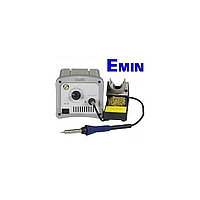
Why soldering station repair matters in technical operations
A soldering station is more than a simple heat source. In practical use, it is part of a controlled soldering system that affects joint quality, operator efficiency, and protection of sensitive electronic components. When faults appear, they can lead to uneven solder flow, excessive thermal stress, slow recovery time, or unexpected downtime at the workstation.
Repair service for soldering stations is especially relevant in environments where equipment is used frequently and must remain dependable. Instead of treating every issue as a replacement case, many users look for fault diagnosis and repair to bring the station back to usable condition while keeping the existing setup, handpiece familiarity, and operating routine.
Common issues seen in soldering stations
Service requests often begin when the station no longer heats correctly, takes too long to recover, cannot maintain the selected temperature, or behaves inconsistently during use. In some cases, the display or control section works but the handpiece does not heat properly. In other cases, the unit may power on but fail under load after a short period of operation.
Other common symptoms include unstable output, connection problems between the base unit and iron, switch or control faults, and wear-related electrical issues. These problems can affect both light bench work and higher-duty production use. If your process also involves suction-based rework tools, you may want to review related support for desoldering station repair as part of a broader maintenance plan.
Brand coverage and service context
This category includes repair service references for a range of widely used brands in electronics workstations. Examples on this page include service entries for HAKKO, PACEWORLDWIDE, Proskit, YATO, MANNCORP, Thermaltronics, KAWH, REN THANG, and WELLER. The purpose is not to overstate identical repair paths for every brand, but to show that service demand exists across multiple station types and user environments.
Representative items include HAKKO Soldering Station Repair Service, WELLER Soldering Station Repair Service, Proskit Soldering Station Repair Service, YATO Soldering Station Repair Service, and Thermaltronics Soldering Station Repair Service. These examples help buyers and maintenance teams identify the type of support they are searching for, especially when comparing service options for equipment already installed in the field.
What to consider before requesting repair
Before sending a unit for service, it helps to document the actual symptom in use. A station that does not heat at all may require a different inspection path than one that heats but cannot regulate temperature accurately. Clear symptom reporting can shorten evaluation time and make the repair process more efficient.
It is also useful to note how the equipment is used: occasional bench repair, daily assembly work, or repeated rework on sensitive boards. Operating context can reveal whether the issue is related to wear, intermittent electrical stress, or application intensity. For teams managing several electronics tools at once, it may also be useful to review nearby service categories such as repair service for soldering and assembly stations.
How repair service supports workflow continuity
For many B2B users, repair is not only about fixing a broken unit. It is part of maintaining production continuity and bench readiness. A functioning soldering station supports repeatable operator performance, cleaner solder joints, and smoother daily work in assembly, rework, and maintenance departments.
Downtime reduction is one of the main reasons organizations use repair services instead of handling faults informally. Structured service helps teams deal with malfunctioning equipment in a more controlled way, especially when several stations are deployed across technicians, lines, or service benches. In electronics environments where hand tools and process equipment work together, related services such as lead cutter repair may also be relevant.
Suitable users and application environments
This service category is relevant for electronics manufacturers, service centers, maintenance workshops, vocational labs, and technical departments that rely on controlled hand-soldering. It is also appropriate for users supporting PCB repair, cable harness work, component replacement, and light SMT-related bench tasks where stable thermal behavior matters.
Different organizations may prioritize different outcomes. A repair bench may focus on quick return to operation, while a production environment may be more concerned with consistency across multiple stations. In either case, serviceability, equipment familiarity, and process continuity are often key factors behind the decision to repair rather than replace.
Choosing the right service page for your equipment
If you already know the brand, selecting a manufacturer-specific service entry can make navigation easier. For example, users searching by installed equipment may look directly for HAKKO, WELLER, Proskit, YATO, PACEWORLDWIDE, or Thermaltronics repair service pages. If the exact brand is less important than the equipment type, this category page serves as the broader starting point.
Where the workstation includes robotic or automated soldering functions rather than a standard bench station, a more suitable route may be welding robot repair service. Choosing the correct service category helps align the request with the actual equipment configuration and use case.
Final notes
A reliable soldering station plays an important role in electronics assembly and repair quality. When performance becomes unstable, professional repair service can be a practical option for restoring usable operation, preserving existing equipment investment, and supporting day-to-day technical work.
This soldering station repair service category is intended to help buyers, technicians, and maintenance teams quickly identify relevant repair options by equipment type and brand context. If you are comparing service paths for multiple tools in the same workstation, reviewing related repair categories can also help build a more complete maintenance strategy.
Get exclusive volume discounts, bulk pricing updates, and new product alerts delivered directly to your inbox.
By subscribing, you agree to our Terms of Service and Privacy Policy.
Direct access to our certified experts