Audio Analyzers Repair Service
Accurate audio measurement depends on instruments that can resolve distortion, noise, level stability, impedance behavior, and signal quality with confidence. When an analyzer starts drifting, fails self-test, shows unstable readings, or no longer matches expected performance, professional Audio Analyzers Repair Service becomes essential to restore dependable test capability in labs, service centers, manufacturing support, and electronic validation environments.
This category focuses on repair support for audio analyzers and closely related instruments used in electronic test workflows. Whether the issue involves measurement inconsistency, interface faults, display problems, signal path degradation, or general functional failure, the goal of repair is to bring the instrument back into reliable working condition so it can continue supporting verification, troubleshooting, and maintenance tasks.
Why repair matters for audio measurement equipment
Audio analyzers are often used where measurement repeatability matters as much as raw functionality. In practical use, even a small fault can affect distortion readings, frequency response checks, signal level verification, or pass/fail decisions during repair and production work. That makes timely service especially important for organizations that rely on stable, traceable test performance.
Repair is also a practical option when the instrument remains relevant to an existing workflow, fixture setup, or maintenance procedure. Instead of replacing a familiar platform and retraining teams, many businesses prefer to restore the unit they already use, especially when it is integrated into established testing routines alongside related instruments such as RF voltmeter repair services or other electronic measurement support.
Typical issues seen in audio analyzers and related test instruments
Service requests for this category can stem from a wide range of symptoms. Common examples include instruments that fail to power on, show intermittent operation, produce unstable or implausible readings, lose channel functionality, or experience damaged input and output stages. In other cases, the analyzer may still operate, but performance degradation makes results difficult to trust.
Some environments also use adjacent audio test equipment such as distortion meters or impedance-focused instruments, so the fault may appear in a broader signal chain rather than in one isolated function. That is why repair evaluation usually starts with the reported symptoms, operating behavior, and the role of the unit inside the full test setup, rather than assuming every failure has the same cause.
Supported brands and service examples in this category
This category includes repair service references for well-known manufacturers used in electronic measurement. Examples include KEITHLEY, KEYSIGHT, BOONTON, GW INSTEK, and SEW, all of which appear in workflows where accurate signal analysis and instrument reliability are important.
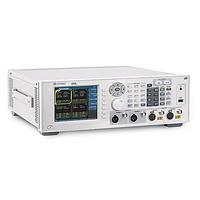
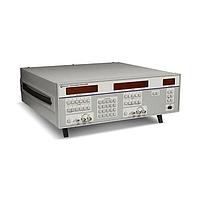
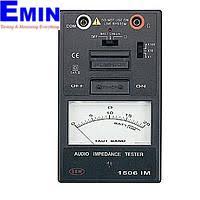
Representative service listings in this category include the KEITHLEY Audio Analyzer Repair Service, KEYSIGHT Audio Analyzer Repair Service, BOONTON Audio Analyzer Repair Service, SEW Audio Impedance Analyzer Repair Service, and GW INSTEK Distortion meter Repair Service. These examples help illustrate the range of supported instrument types around audio test and measurement, from core analyzer platforms to related devices used for distortion or impedance evaluation.
How audio analyzer repair fits into a broader test ecosystem
In many facilities, an audio analyzer is not used alone. It may sit alongside signal generation, RF measurement, power measurement, or network characterization tools depending on the device under test. Because of that, repair planning often benefits from looking at the wider bench or service line, especially if multiple instruments show age-related issues or need coordinated maintenance.
For organizations managing broader test assets, related categories such as vector network analyzer repair service and RF and microwave power meter repair may also be relevant. This kind of cross-category support is useful when troubleshooting spans multiple instruments in the same validation or maintenance process.
What to consider before sending an instrument for repair
A good repair outcome starts with clear information about the failure. If possible, document the exact symptom, any error messages, whether the issue is constant or intermittent, and what changed before the fault appeared. Details such as failed ports, unstable readings, startup behavior, or known damage can help narrow the scope of diagnosis more efficiently.
It is also helpful to note how the analyzer is used in practice: bench troubleshooting, production verification, service depot work, or laboratory testing. For example, an instrument used mainly for distortion and signal integrity checks may present a different service priority than one used for broader platform-level verification. Providing this context helps align the repair process with actual operating needs instead of treating every unit the same way.
Choosing the right service path for your instrument
Not every case has the same priority, and not every instrument has the same role in the workflow. Some users need to recover a critical analyzer that supports daily troubleshooting, while others are evaluating whether an older unit should be repaired, retained as backup, or serviced as part of wider equipment maintenance. A category like this is most useful when it helps buyers quickly identify relevant brand and instrument coverage without forcing them through generic product-only listings.
If your equipment list includes older or specialized audio measurement platforms, it makes sense to compare the service entry that most closely matches the instrument type and manufacturer. Even when the exact fault differs, the listed services for audio analyzers, impedance analyzers, and distortion meters provide a practical starting point for assessing repair options within a professional B2B test equipment environment.
Practical FAQ
Which instruments are relevant to this repair category?
The category primarily covers audio analyzers and related instruments referenced in the available service listings, including audio impedance analyzers and distortion meters where they belong to the same measurement ecosystem.
Can brand-specific repair services be found here?
Yes. Examples in this category include service references for KEITHLEY, KEYSIGHT, BOONTON, GW INSTEK, and SEW.
Is this category useful if my issue is measurement drift rather than total failure?
Yes. Repair needs often involve performance problems such as unstable readings, suspected drift, or inconsistent results, not only complete loss of function.
For teams that depend on reliable signal analysis, keeping existing instruments working properly can be more valuable than replacing them prematurely. This Audio Analyzers Repair Service category is designed to help buyers identify suitable repair paths for established audio measurement equipment, with enough context to support informed decisions across technical service, maintenance, and test operations.
Get exclusive volume discounts, bulk pricing updates, and new product alerts delivered directly to your inbox.
By subscribing, you agree to our Terms of Service and Privacy Policy.
Direct access to our certified experts