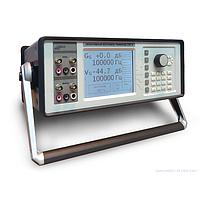
Low Frequency Meter Repair Service
Accurate low-frequency measurement is essential in audio testing, signal verification, broadcast support, and many telecom or electronics service environments. When a meter begins to drift, respond slowly, display unstable values, or fail basic checks, repair becomes more than a maintenance task—it is a way to restore confidence in every reading used for troubleshooting and validation.
Low Frequency Meter Repair Service is intended for organizations that rely on dependable signal measurement and want practical support for instruments that are too important to leave in uncertain condition. Whether the issue involves performance degradation, intermittent operation, or general wear from long-term use, professional repair helps extend instrument life and keep workflows moving.
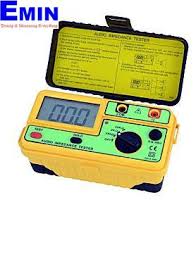
Why low-frequency meters still matter in technical service environments
Low-frequency meters continue to play a useful role wherever technicians need to verify signal level, monitor circuit behavior, or evaluate test conditions below the RF range. In many labs and service departments, these instruments support routine diagnostics, calibration checks, and fault isolation for analog and mixed-signal systems.
Because these meters are often used as reference tools in repeatable test processes, even small errors can affect troubleshooting results. A repair service focused on this type of equipment helps bring the instrument back to a stable, usable condition so measurements remain meaningful in daily work.
Common reasons to send a low-frequency meter for repair
Service is often needed when an instrument shows signs of measurement instability, unusual display behavior, connector problems, or inconsistent response across normal operating conditions. In some cases, the meter powers on but no longer delivers trustworthy readings; in others, the unit may fail completely or behave intermittently under load.
A proper repair process is also relevant when the meter has been stored for long periods, exposed to demanding field conditions, or used heavily in repetitive bench testing. Instead of replacing a specialized unit immediately, many users choose repair first to evaluate whether the original instrument can be restored efficiently.
What to expect from a repair-oriented service approach
For this category, the goal is not simply to address a visible fault, but to assess the broader condition of the instrument. A low-frequency meter may require inspection of signal handling behavior, internal assemblies, controls, and overall functionality to identify the source of inaccurate or unreliable performance.
Professional support is especially valuable when the instrument is part of a larger test chain and must work consistently with other equipment. In those cases, repair contributes to system reliability, helping reduce uncertainty during validation, servicing, and production support activities.
Representative equipment in this category
A relevant example in this category is the Kontour Low-Frequency Signals Meter Repair Service. This type of service is suitable when a dedicated low-frequency signal meter needs technical attention rather than simple operational checking.
For organizations using instruments from Kontour, category-level repair support can help maintain continuity in existing measurement setups. This is particularly useful when the instrument remains operationally important and replacement may not be the most practical first step.
How this service fits into a broader test and repair workflow
Low-frequency instruments are rarely used in isolation. They often support a wider bench environment that may include RF measurement, signal generation, audio evaluation, or telecom troubleshooting tools. When one meter becomes unreliable, the problem can spread through the entire diagnostic process by making comparison results harder to trust.
Teams working across multiple signal domains may also need related support for instruments such as audio analyzer repair or RF voltmeter repair. Looking at repair needs in the context of the full measurement chain often leads to better uptime planning and more consistent test results.
When repair is a practical choice
Repair is often a sensible option when the instrument has known operational value, matches an established procedure, or remains integrated into existing documentation and test habits. In technical B2B environments, preserving a familiar meter can reduce retraining needs and avoid unnecessary disruption to bench routines.
It can also be the right path when symptoms are clear but the root cause is not. Instead of making assumptions based on a single failure sign, a structured repair service allows the instrument to be evaluated properly and handled according to its actual condition.
Choosing the right category for your service request
If your equipment is specifically designed to measure low-frequency signals, this category is the most relevant starting point. It is best suited to cases where the core issue relates to signal-level measurement, low-frequency response, or general instrument functionality within that application range.
If the fault involves a different type of telecom or test instrument, another specialized service category may be more appropriate. For example, users dealing with broader signal characterization tasks may also want to review vector network analyzer repair services to match the request to the correct instrument family.
Support better measurement confidence
Reliable readings are the foundation of efficient troubleshooting, verification, and maintenance. A focused repair service for low-frequency meters helps organizations protect instrument value, reduce uncertainty in testing, and keep important measurement tools available for ongoing work.
If your low-frequency meter is no longer performing as expected, this category provides a clear route to service support tailored to that instrument type. Reviewing the specific repair option available for your equipment is a practical next step toward restoring dependable operation.
Get exclusive volume discounts, bulk pricing updates, and new product alerts delivered directly to your inbox.
By subscribing, you agree to our Terms of Service and Privacy Policy.
Direct access to our certified experts