
High Speed Camera Repair Service
When a high-speed imaging system goes down, the impact is rarely limited to the camera itself. Production diagnostics, motion analysis, impact testing, research capture, and failure investigation can all be delayed by unstable performance, communication faults, image issues, or hardware damage. A reliable High Speed Camera Repair Service helps restore measurement confidence and reduce disruption in technical environments where timing and image integrity matter.
This category is intended for organizations that need service support for professional high-speed cameras used in industrial, laboratory, and test applications. Whether the issue involves power-up problems, recording instability, storage or interface faults, or inconsistent image output, repair support is often the most practical path to returning an existing system to service.
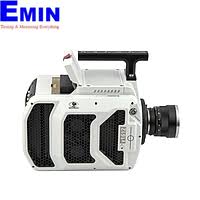
Why repair support matters for high-speed imaging equipment
High-speed cameras are specialized instruments, not general-purpose video devices. They are typically integrated into test cells, engineering labs, quality assurance workflows, and troubleshooting setups where frame timing, triggering behavior, and image consistency are essential. Even a minor fault can affect data capture quality and make recorded results difficult to trust.
Repair service is especially relevant when a system still fits the application but no longer performs reliably. Instead of replacing a complete setup, service can help address hardware failures, operational faults, or performance-related issues while preserving compatibility with the existing workflow, accessories, and software environment.
Common situations that lead to camera repair
Service requests often begin when users notice behavior that interrupts routine operation. This may include failure to boot, intermittent connection to control software, recording errors, overheating, physical port damage, or image artifacts that were not present during normal use. In many cases, the root cause is not obvious from symptoms alone, which makes structured diagnosis an important part of the repair process.
High-speed imaging systems can also be exposed to demanding environments such as vibration, repetitive testing, manufacturing dust, frequent transport, or accidental impact. Over time, these conditions may affect internal electronics, connectors, storage subsystems, or sensor-related performance. A focused repair process helps determine whether the issue is isolated, recurring, or linked to broader system use conditions.
Service coverage across leading camera brands
This category includes repair support for recognized manufacturers used in high-speed imaging applications. Organizations working with PHANTOM systems may look for service options that align with the performance expectations of established motion analysis and test environments. Repair needs can vary from basic recovery of camera operation to investigation of recurring capture problems.
Support is also relevant for users of Ametek high-speed camera platforms where continuity of test work and equipment uptime are important. The category may include examples such as the PHANTOM High Speed Camera Repair Service and Ametek High Speed Camera Repair Service, which illustrate the type of manufacturer-specific support available without turning the page into a simple product list.
What to consider before requesting a repair service
Before arranging service, it helps to document the camera’s operating condition as clearly as possible. Useful information usually includes the observed fault, when it occurs, whether it is repeatable, the accessories or interface used, and whether the issue began after transport, configuration changes, or environmental exposure. This context can speed up troubleshooting and reduce unnecessary back-and-forth during intake.
It is also worth distinguishing between camera failure and issues elsewhere in the setup. Trigger sources, cables, storage media, software configuration, power conditions, or external lighting can sometimes appear to be camera faults. A good repair workflow evaluates the device within its functional use case, not just as an isolated housing with electronics inside.
How high-speed camera repair fits into a broader maintenance strategy
For many technical teams, repair is only one part of a larger equipment lifecycle plan. Imaging devices used for inspection, diagnostics, and testing often need periodic evaluation alongside other visual instruments. If your operation also relies on remote inspection tools, related support areas such as industrial video borescope repair services may be relevant within the same maintenance ecosystem.
Looking at service this way helps purchasing, maintenance, and engineering teams standardize how faults are reported, how equipment is routed for evaluation, and how downtime is managed across different device types. This is particularly useful in B2B environments where multiple imaging tools support production reliability, product development, or non-destructive inspection workflows.
Choosing the right repair path for your application
The best service option depends on how the camera is used and how critical it is to the process it supports. In research and test applications, repeatability and data confidence may be the main concern. In manufacturing or troubleshooting environments, the priority may be restoring uptime quickly so teams can resume diagnostics and process verification.
It is often helpful to review service options within the broader high-speed camera repair service range to match the request to the equipment brand and operating context. A clear service scope makes it easier to assess whether repair is appropriate for a single fault event, recurring instability, or long-term support planning.
Typical benefits of professional repair support
A structured repair process can provide more than a simple return-to-power outcome. For technical users, the real value often lies in restoring operational reliability, reducing uncertainty in captured data, and extending the useful life of existing equipment. This is especially important when the camera is already integrated into fixtures, synchronized test systems, or established analysis procedures.
Professional support can also help teams make better decisions about asset management. After evaluation, it may become clearer whether a unit is suitable for continued service, should be reserved as a backup device, or requires broader review of how it is handled and deployed. That kind of insight is often just as important as the repair itself.
Final considerations
High-speed cameras play a critical role in applications where events happen too quickly for conventional imaging to capture with enough detail. When performance drops or faults interrupt operation, a specialized repair service offers a practical way to restore capability without immediately replacing the system. For engineering teams, labs, and industrial users, the right service approach supports continuity, protects prior investment, and helps maintain confidence in every recorded event.
If you are reviewing options for a specific brand or recurring camera issue, this category provides a focused starting point for identifying relevant manufacturer-aligned service support and planning the next step with less guesswork.
Get exclusive volume discounts, bulk pricing updates, and new product alerts delivered directly to your inbox.
By subscribing, you agree to our Terms of Service and Privacy Policy.
Direct access to our certified experts
