

10/20/2026 16:35:05
Diagnosing the causes of plastic color variation, managing metamerism, distinguishing between SCI/SCE measurement modes, and applying Delta E standards for color deviation assessment in QA/QC
Diagnosing the causes of plastic color variation, managing metamerism, distinguishing between SCI/SCE measurement modes, and applying Delta E standards for color deviation assessment in QA/QC
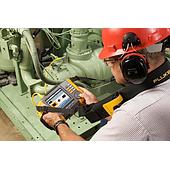
Industrial maintenance is shifting from fixed-schedule inspections to condition monitoring based on measurement data. Temperature, vibration, current, power quality, insulation resistance, and air leakage levels are recorded over time to identify signs of deterioration before equipment failure occurs.
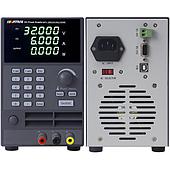
Programmable DC power supplies can improve test accuracy by enabling fine voltage and current settings, repeatable sequences, and direct visibility of live output values. The MPS-200 Series provides 1 mV voltage resolution and 0.1 mA current resolution.
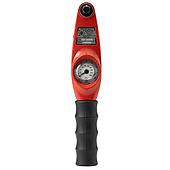
Torque measurement can support quality control at three points: tool setup before assembly, dynamic auditing during fastening, and residual torque verification after assembly.
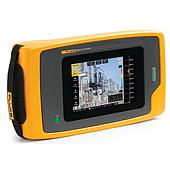
Ultrasonic cameras allow technicians to locate sources of ultrasonic sound through visual imaging. Instead of inspecting every connection or relying on hearing to locate a leak, operators can quickly scan a large area, identify anomalies on the screen, and save inspection data for maintenance purposes.
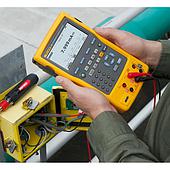
In automated production lines, the central control system relies entirely on the accuracy of signal loops. Mastering process signal calibration methods along with precise measurement solutions is a core requirement for the maintenance engineering team
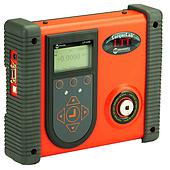
Precision torque control supports assembly quality by matching torque requirements to the joint, verifying tools regularly, and maintaining consistent work practices.
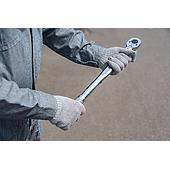
Monitor the operating cycle or usage hours to schedule maintenance. Check the lubrication, loose components, and signs of wear. Clean the exterior with a dry cloth and store the tool in a clean, dry place. Return a calibrated torque wrench to the minimum scale setting before storage.

Assembly automation and line monitoring help manufacturers pursue consistent quality through repeatable tasks, fastening-process monitoring, error notification, and line-control integration.
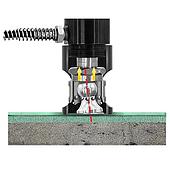
Reliable pull-off adhesion testing depends on a sound adhesive-to-dolly bond. For the aluminum dollies evaluated, abrasion and removal of loose debris were the most influential preparation steps.
Get exclusive volume discounts, bulk pricing updates, and new product alerts delivered directly to your inbox.
By subscribing, you agree to our Terms of Service and Privacy Policy.
Direct access to our certified experts