Understanding the GT-D34 Fabric Wascator
The GT-D34 fabric wascator is an accelerated washing apparatus for evaluating the wash-related performance of knitted and woven fabrics. In textile laboratories and manufacturing quality-control workflows, washing tests help teams assess how a material responds to a controlled washing process before decisions are made about product consistency or further evaluation.
Fabric shrinkage is a central consideration, but a standardized washing cycle can also support assessment of other properties affected by laundering. These include fabric stability, color fastness to washing, finish durability, spirality, and pilling performance. Bringing these observations into one testing process can help laboratories organize repeatable evaluations for textile materials.
What a Fabric Shrinkage Tester Evaluates
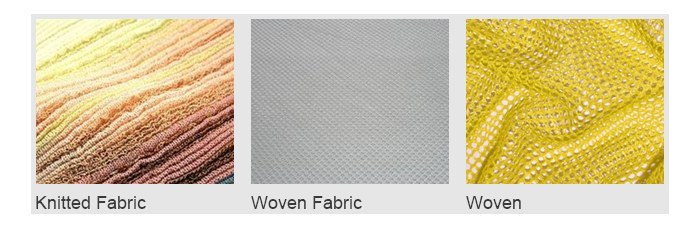
A fabric shrinkage testing machine applies a standardized washing process to textile specimens. The purpose is to provide a controlled basis for assessing dimensional change after washing. This is relevant to both knitted and woven fabrics, which may respond differently to laundering because of their structure, construction, and finishing.
For a useful test workflow, the washing process should be selected in line with the applicable method and the evaluation objective. After washing, the laboratory can review the required characteristics, such as shrinkage or stability. Where the test plan calls for it, the same washing exposure may also be used when evaluating color fastness, finish durability, spirality, or pilling related to washing.
Standards Referenced for Washing Tests
The GT-D34 is described as supporting a range of international and regional textile test standards. The referenced methods include:
- GB/T8629 and GB/T8630
- ISO6330, ISO5077, and ISO19954
- FZ/T70009
- BS4923
- EN25077 and EN26330
- JIS L1909
- IWSTM31
- SATRA TM158
Laboratories should identify the specific method required for their material, customer requirement, or internal test plan before setting the washing program. A listed standard does not remove the need to follow the full method and any applicable specimen preparation or evaluation requirements.
Key Operating Features of GT-D34
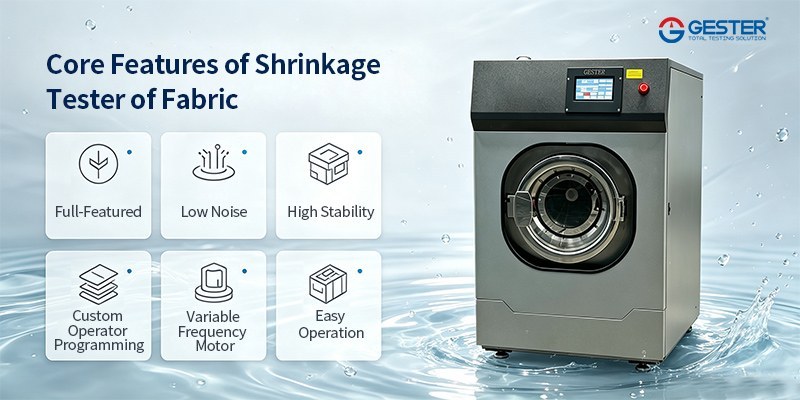
The GT-D34 uses an MCU program controller and includes ten washing programs required by ISO, along with an operator self-programming function. This arrangement is intended to help users select established programs while retaining flexibility for appropriate programmed testing needs.
The unit is described as operating without the need for floor fixing by foot screws while maintaining stability during use. A soft connection between the rotating cage and rack is designed to reduce vibration and noise. Its variable-frequency motor supports switching between high and low speeds, and the tester uses a blue fluorescent LCD display with dynamic icons to show test status.
Typical Textile Quality-Control Applications
A fabric shrinkage testing machine can be used in textile testing and quality-control environments where wash performance needs to be reviewed consistently. Common applications include assessing shrinkage of knitted and woven fabrics according to relevant test methods and evaluating post-wash fabric stability.
Additional applications described for this type of wascator washing test machine include testing color fastness machine, verifying the durability of a fabric finish, detecting washing-related spirality, and assessing pilling performance during washing. The applicable test scope depends on the selected method and the property being evaluated.
Basic Checks When a Test Issue Occurs
If program selection does not operate as expected, first review the selected program and confirm that the required standard program has been chosen. Restoring the default standard program may be appropriate after confirming the intended procedure.
A water-level deviation may be associated with the capacitance water-level meter. In that situation, inspect and calibrate the non-contact water-level meter as required. If the LCD display appears abnormal, check the control-panel circuit connection and restart the tester.
These checks are practical starting points rather than substitutes for the relevant operating procedure. When an issue remains unresolved, testing should be paused until the equipment condition and selected program can be verified.
The fabric shrinkage tester is intended for standardized washing evaluations of textile materials. Its programmed control, washing-program options, stable operating design, and status display support laboratories that need to conduct organized wash-performance testing. By aligning the program, test method, and evaluation objective, users can approach shrinkage and related washing assessments with a more consistent process.