Torque wrench maintenance should be based on how much the tool is used, with regular visual inspection, ratchet care, dry exterior cleaning, and protected storage. Because a torque wrench is a precision tool, worn parts, contamination, or unsuitable storage can affect its condition and contribute to premature failure.
For calibrated torque wrenches, returning the tool to its minimum setting after use and during storage is an important practice. This guidance is especially relevant to externally adjustable click wrenches that use an internal spring mechanism.
Summary: Track cycles or operating hours to plan service. Inspect wear, grease, fasteners, and ratchet movement. Keep the exterior dry and store the wrench in a clean, dry case or storage device. Return calibrated adjustable tools to the minimum scale value when not in use.
Why does a torque wrench need preventive maintenance?
Preventive maintenance helps identify wear or defective parts before they cause premature tool failure. Torque wrench may wear or go out of calibration more quickly as frequency of use increases, so maintenance should not rely solely on a calendar interval.
Monitoring cycles per day or total operating hours provides a practical basis for establishing maintenance intervals. Service should follow the manufacturer’s guidance and should not be delayed beyond 100,000 cycles, according to the available maintenance guidance.
What should be checked during a torque wrench inspection?
A visual inspection should look for old or dry grease, loose components, and parts with excessive wear. The handle should remain secure, free of corrosion, and free of lubricant during use.
The ratchet requires particular attention because it is a moving assembly. It should be checked for wear, cleaned and lubricated regularly, while the ratchet screws should be tight and the mechanism should spin freely when turned.
| Area to check | What to look for or do |
|---|---|
| Tool condition | Look for dry or old grease, loose components, and excessive part wear. |
| Ratchet | Inspect for wear; clean and lubricate it; verify screws are tight and movement is free. |
| Handle | Confirm it is secure, corrosion-free, and not lubricated during use. |
| Usage record | Monitor cycles per day or total operating hours to set maintenance intervals. |
How should a torque wrench be cleaned and stored?
Clean the exterior with a dry cloth, then store the wrench in a case or other storage device in a clean, dry environment. This helps protect the tool from dust, grime, chemicals, and similar hazards.
External cleaning fluids and chemical solvents should be avoided because they can corrode the tool’s internal lubrication and may lead to premature failure. If disassembly is needed, follow the manufacturer’s documented instructions or use a qualified technician.
Why should calibrated click wrenches be set to minimum after use?
Externally adjustable click wrenches should be returned to the minimum scale value after use, and calibrated wrenches should be stored at their minimum setting. This practice is intended to preserve the linearity of the spring used in the calibrated mechanism.
Most click wrenches use an internal spring compressed against a lever. Leaving a calibrated wrench at one setting over time can affect spring linearity and lead to errors, whereas returning it to minimum reduces that storage-related concern.
When is a preset torque wrench worth considering?
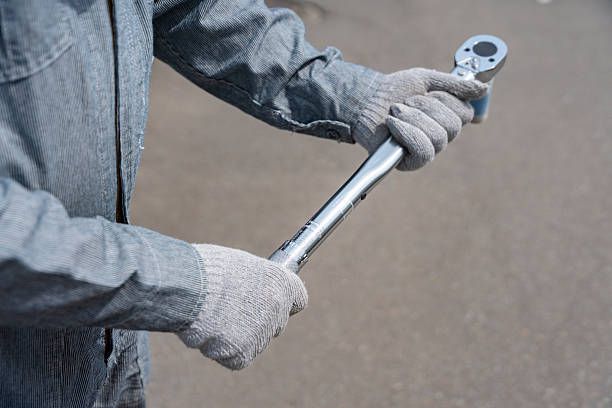
A preset version may suit an application that requires one fixed torque setting. The available guidance notes that a preset wrench calibrated by a torque tester removes the need for constant adjustment and can help preserve spring linearity.
This is a use-case consideration rather than a substitute for inspection and proper handling. Whether adjustable or preset, the wrench should be treated with the care expected for a measuring instrument.
What maintenance issues can lead to early torque wrench failure?
Early failure can result when worn parts are not inspected, lubricated, adjusted, or replaced as needed. A neglected ratchet, loose components, dry grease, contamination, corrosion, and inappropriate cleaning chemicals are all conditions that require attention.
A simple maintenance routine therefore combines usage tracking, visual checks, ratchet servicing, dry cleaning, and proper storage. Keeping these steps consistent supports reliable tool condition between scheduled service events.