Choosing a tensile testing machine is not simply a matter of selecting the highest available force capacity. The right instrument is the one that fits the materials, test procedures, measurement needs, and operating conditions of your laboratory or production environment.
A machine with excessive capacity may add cost without improving the usefulness of the data for lower-strength specimens. Conversely, a machine with insufficient capacity may not cover the full range of required tests. A structured evaluation helps purchasing teams choose equipment that supports reliable, practical testing.
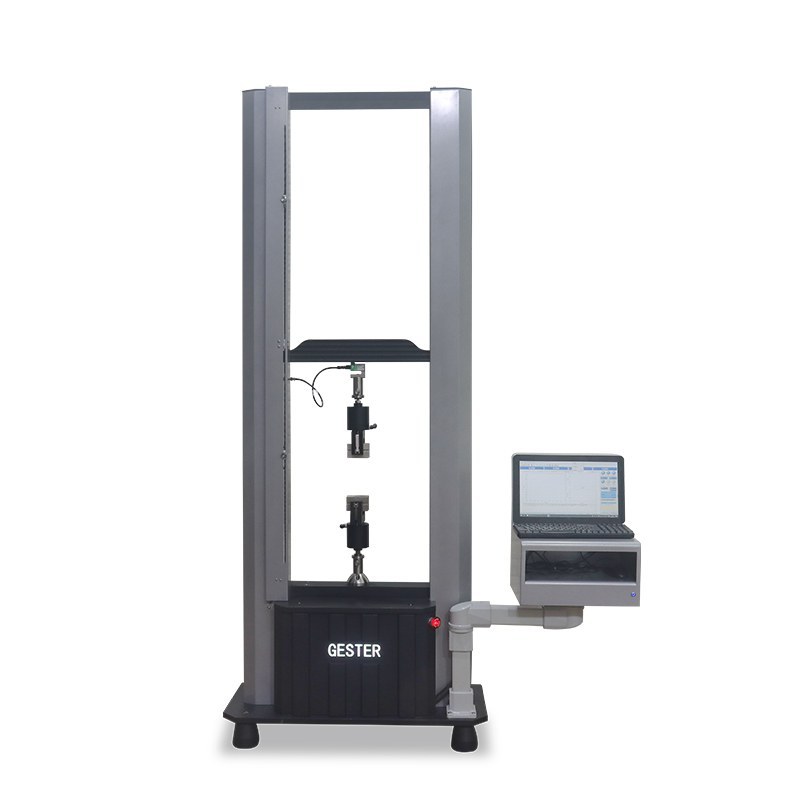
Start with the actual testing requirement
Begin by defining what must be tested. Tensile testing may be used for metals, plastics, rubber, textiles, footwear materials, and other products. These materials can behave very differently under load, so one application does not automatically determine the best configuration for another.
List the specimen types that will be tested now and those likely to be tested in the future. Consider the expected force levels, the type of measurement needed, and whether the work is intended for incoming inspection, production quality control, product development, or research. This process establishes a relevant working range rather than choosing capacity based on the assumption that more force is always better.
Match force range to the material
Force capacity should cover the materials and products in the test plan. Higher-strength materials may require a higher force range. More flexible materials, including some plastics and rubber materials, may be suited to a lower range. For fabric tensile strength testing, the appropriate range depends on the construction and intended use of the fabric being evaluated.
Material strength is only one part of the decision. Ductility, elongation behavior, and fracture characteristics can also affect how the test should be set up and controlled. Review the complete expected behavior of the specimen, not just the point at which it breaks.
Evaluate accuracy and resolution separately
Two tensile testing machines can have similar force ranges but different measurement performance. Accuracy and resolution are important because they influence how clearly changes in force can be detected and reported. This is especially relevant where test data support material comparison, process monitoring, or quality-control decisions.
When reviewing a machine, consider whether its measurement capability is suitable for the level of detail required by the test. A capacity that exceeds the application does not by itself ensure more useful results. The goal is a balanced system that can generate dependable data over the range that matters to the user.
Consider test speed and control capability
Test speed is another core selection factor. Different test methods may call for different speeds, and some materials can respond differently when the speed changes. Confirm that the intended machine can support the operating conditions required by the procedures used in your facility.
The control system also affects day-to-day usability. Flexible test modes and data-analysis functions can help teams run tests consistently, monitor progress, and organize results. For operations handling multiple materials or procedures, controls that are easy to use can make routine testing more efficient.
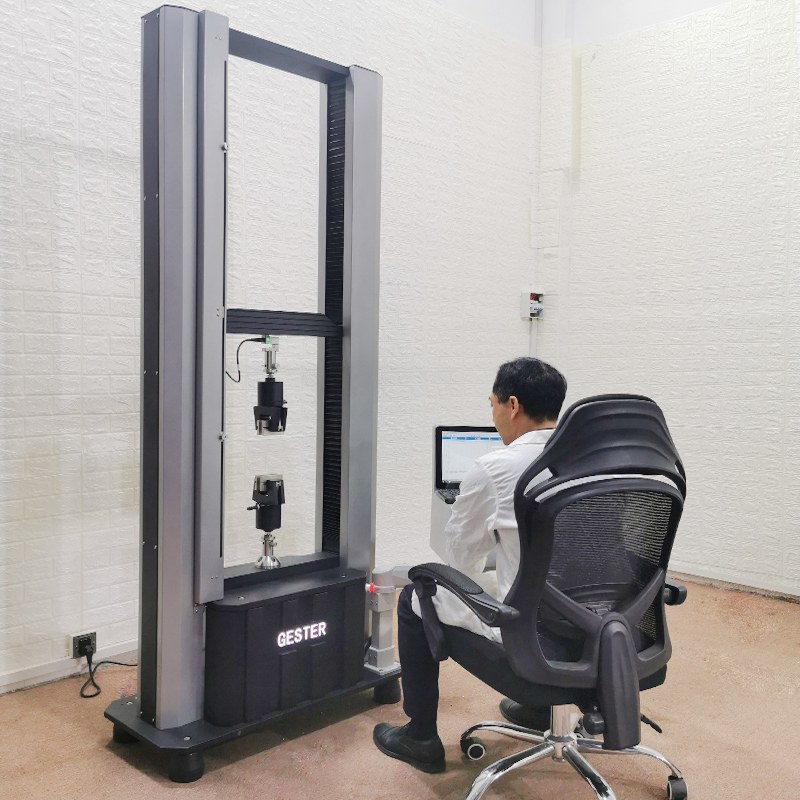
Assess budget beyond the purchase decision
Higher-force equipment is commonly associated with a higher initial cost. For that reason, it is useful to compare the investment with the real testing scope rather than treating maximum capacity as a universal advantage. A properly matched machine may provide better value when it meets the required workload without unnecessary capability.
Include maintenance and operating considerations in the evaluation. A purchasing decision should account for the resources needed to keep testing running smoothly over time, as well as the machine’s suitability for the personnel who will use it.
Review supplier support and make a balanced choice
Equipment support can be important when an instrument requires installation assistance, operator training, troubleshooting, or service. Ask about the support process and make sure it aligns with the needs of the laboratory or quality team.
GESTER offers material testing instruments across textile, footwear, furniture, luggage, children’s products, personal protective equipment, environmental testing, battery, and general physical testing applications. When selecting a tensile testing machine or fabric strength tester, compare the available configuration with your material types, testing range, accuracy needs, test speed, controls, budget, and support expectations.
In short, a higher force value is only beneficial when the application calls for it. Selecting the appropriate tensile testing machine requires a complete review of the testing task so that the chosen equipment can support consistent and meaningful results.