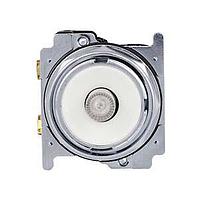
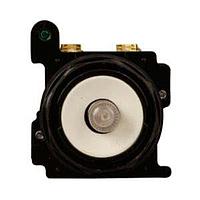
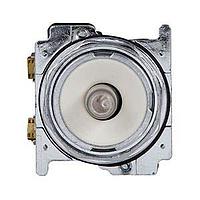
Neon & Incandescent Panel Mount Indicators
Clear visual status indication is still essential in control panels, operator stations, and industrial equipment where fast recognition matters. In many applications, Neon & Incandescent Panel Mount Indicators remain a practical choice for showing power presence, operating state, fault conditions, or simple machine feedback directly on the panel.
These indicators are commonly selected for straightforward signaling tasks where users need a durable, panel-mounted light with familiar colors, simple wiring, and easy integration into enclosures. Within this category, buyers typically compare mounting size, lamp type, lens color, voltage range, and suitability for the intended panel environment.
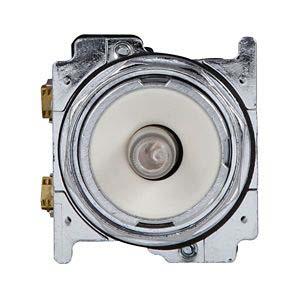
Where this indicator category fits in industrial panels
Panel indicators are used to communicate equipment status without requiring a display or complex interface. A lit indicator can confirm that a supply is present, a circuit is energized, a process is running, or an alarm condition needs attention. Because the signal is immediate and visible from the front of the enclosure, these components are widely used in switchboards, machine panels, and utility control cabinets.
This category focuses on panel-mounted units that use neon or incandescent light sources. If your application also needs broader signaling across a production area, products from the beacon and accessory range may be more appropriate. For applications that combine visual indication with sound, it can also be useful to review audio indicators.
Typical features buyers compare
Selection usually starts with the mounting diameter because the indicator must fit the panel cutout already defined in the enclosure or design drawing. In the products shown for this category, examples include compact 10.2 mm mounting styles as well as larger 15.2 mm options, which can influence visibility and installation compatibility.
Voltage rating is equally important. Depending on the model, indicators in this category may be intended for ranges such as 100 to 125 VAC, 125 VDC, 200 to 250 VAC, or higher-voltage panel circuits. Color also plays a functional role: red is often used for stop or fault-related status, green for normal operation, orange or amber for warning or intermediate conditions, and clear lenses where the panel design or internal lamp behavior calls for a more neutral appearance.
Neon and incandescent indicators in practical use
Neon indicators are often chosen for AC presence indication and simple pilot light duties, especially in traditional control architectures. They are commonly used where a clear on/off visual signal is needed and where the system already uses voltage levels suitable for neon lamp operation. Their familiar appearance makes them easy to interpret on legacy equipment and retrofit panels.
Incandescent-style panel indicators are often considered where users want a classic pilot light format and straightforward visual signaling. In mixed fleets of equipment, buyers may prefer this category because it supports maintenance continuity and replacement of existing installed components without redesigning the entire front panel. For broader comparison with adjacent signal products, you can also review industrial panel mount and switch indicators.
Representative products in this category
The available range includes compact models from Sato Parts, such as the BN-5701-1-R with a red luminescent indication and 125 VDC rating, and the BN-5701-1-C with a transparent lens style for 100 to 125 VAC applications. Other examples include the BN-5665-1-OR and BN-5668-1-G, which show how buyers can choose among orange and green lens options in similar mounting formats.
For higher-voltage panel requirements, examples such as the Sato Parts BN-7-2-OR and BN-5668-2-R illustrate 200 to 250 VAC class options in compact mounting sizes. The category also includes examples from other established manufacturers, such as the EAO EUS-14-131.022-1095N.0 and the SIEMENS 52PL4SA, giving buyers additional reference points when evaluating lens style, mounting construction, and panel integration approach.
How to choose the right model
Start by confirming the electrical requirement of the circuit being monitored. The indicator should match the actual operating voltage and current conditions of the application, rather than only the nominal panel supply. This is especially important when replacing an installed pilot light, because similar-looking units may be designed for different AC or DC ranges.
Next, verify the physical installation details: panel cutout size, front bezel clearance, termination style, and available depth behind the panel. Lens color should be selected according to your plant or machine indication standard so operators can interpret status consistently. If you are also sourcing mounting parts or replacement front-end components, the related indicator housings and hardware category can help complete the assembly.
Manufacturer coverage and sourcing considerations
This category is supported by well-known industrial brands, including Eaton, Honeywell, SIEMENS, EAO, NKK Switches, and Sato Parts. In practice, availability by brand may vary depending on mounting style, lens design, and target voltage range. For many B2B buyers, brand preference is tied to panel standardization, maintenance familiarity, or existing approved vendor lists rather than appearance alone.
When comparing options across manufacturers, it is useful to focus on function first: what the indicator must show, where it will be mounted, and under what electrical conditions it will operate. Once those requirements are clear, narrowing by preferred brand becomes much easier and helps reduce the risk of ordering a visually similar but electrically mismatched part.
Common applications for panel indication
These indicators are widely used in control cabinets, electrical distribution panels, test benches, process equipment, and machine operator interfaces. A simple pilot light can provide fast confirmation of line power, motor run condition, heater activation, interlock state, or alarm signaling without requiring software interpretation or advanced HMI hardware.
They are also valuable in retrofit projects where engineers need to maintain the original operating logic of a panel while replacing worn or obsolete front-panel components. In those cases, choosing the correct lamp type, color, and mounting format helps preserve usability for operators and maintenance technicians already familiar with the equipment.
Finding the right fit for your panel design
A good indicator choice balances visibility, electrical compatibility, and installation practicality. Whether you are replacing an existing pilot light or specifying components for a new panel, this category gives you access to neon and incandescent panel mount indicators in multiple colors, mounting diameters, and voltage options.
Review the product details carefully and compare the intended circuit voltage, panel cutout, and indication purpose before ordering. That approach makes it easier to select a component that fits the enclosure, aligns with your signaling standard, and performs reliably in day-to-day industrial use.
Get exclusive volume discounts, bulk pricing updates, and new product alerts delivered directly to your inbox.
By subscribing, you agree to our Terms of Service and Privacy Policy.
Direct access to our certified experts