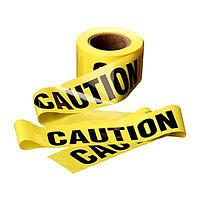
Labels & Industrial Warning Signs
Clear visual communication is one of the simplest ways to improve safety, compliance, and day-to-day efficiency in industrial environments. In facilities where people interact with machines, electrical systems, hazardous areas, or emergency equipment, the right marking helps reduce ambiguity and supports faster decisions under normal operation as well as during abnormal events.
Labels & Industrial Warning Signs in this category support a wide range of identification and safety-marking needs, from emergency stop legends and caution labels to reflective markings, shipboard signs, and application-specific industrial labels. These products are commonly used in manufacturing, energy systems, transportation, marine environments, and general industrial maintenance where durable visual identification matters.

Why industrial labels and warning signs matter
In practice, safety signage is not just about meeting a procedural requirement. A well-placed warning label or equipment marking can help operators identify hazards quickly, distinguish control functions, and follow site rules more consistently. This becomes especially important around machinery interfaces, electrical panels, emergency controls, access points, and system-specific installations such as solar or energy storage equipment.
Compared with generic office labeling, industrial marking products are selected with more demanding conditions in mind. Depending on the application, buyers may need labels that remain legible under abrasion, weather exposure, cleaning routines, temperature variation, or long-term outdoor use. For broader machine-protection strategies, labels often work alongside products such as safety relays and physical safeguarding devices rather than replacing them.
Typical product types in this category
This category covers several practical types of safety and identification media. One visible group is emergency stop legend labels, used to clearly mark E-stop actuators and improve recognition at the point of use. Examples include Banner Engineering ESL-46/70-25, ESL-44/70-10, and ESL-41/60-10, which are designed as adhesive-backed legends for compatible emergency stop actuator sizes.
Another important group includes reflective and high-visibility markings for vehicles, shipboard use, and general conspicuity. Products from 3M Electronic Specialty, such as Diamond Grade conspicuity markings, ship board numbers, and photoluminescent exit signs, illustrate how this category also serves transport, marine, and emergency wayfinding needs. For application-specific electrical and renewable-energy marking, HellermannTyton labels such as solar caution labels and energy storage system rating labels are also relevant.
Common applications across industrial environments
Industrial warning signs and labels are used wherever equipment status, hazards, or operating intent must be communicated quickly. On machines, they may identify emergency stop functions, restricted access points, pinch hazards, or mandatory operator actions. In electrical installations, they can mark energized circuits, disconnect points, panel information, and warnings related to specialized systems.
There are also industry-specific uses where label durability and readability are critical. Reflective markings may be chosen for fleet, roadside, or emergency vehicle visibility, while shipboard signs support directional and identification requirements in marine settings. In renewable-energy applications, labels such as HellermannTyton 596-00997 and 596-00251 help identify solar or energy storage hazards in a format better suited to field installation and inspection.
How to choose the right label or warning sign
A good starting point is the use case: hazard warning, equipment identification, emergency control marking, route guidance, or compliance signage. From there, it is important to match the format to the installation surface and viewing conditions. Adhesive-backed legends may be ideal around pushbuttons and control stations, while reflective films or photoluminescent signs are more suitable when visibility in low light or at longer distances is important.
Material behavior and environmental exposure also matter. Buyers should consider whether the label will be used indoors or outdoors, whether it may face chemicals or cleaning agents, and how much abrasion or UV exposure it is likely to experience. For facilities building a more complete protection system, warning labels are often selected together with items from PPE and lockout/tagout solutions so procedural safety and visual safety communication remain aligned.
Brand examples and product fit
Banner Engineering is a strong fit when the requirement is focused on machine-interface safety, particularly emergency stop legend labels sized for specific actuator configurations. These products are helpful where a control device must be immediately recognizable and consistently marked across multiple panels or stations.
3M Electronic Specialty is better aligned with applications involving reflective, photoluminescent, or highly visible industrial marking. Typical examples in this category include emergency vehicle reflective media, conspicuity markings, and shipboard signs. HellermannTyton products, meanwhile, are especially relevant for printed identification and system-specific warning labels used in areas such as solar installations, rating identification, and cable or flag-style labeling.
Where these products fit in a wider safety system
Labels and warning signs are most effective when they are treated as part of a broader safety communication layer. They help translate risk assessments, operating procedures, and equipment design into visible cues that can be understood quickly on the shop floor. This is valuable for operators, maintenance personnel, contractors, and inspectors who may interact with the same equipment under different conditions.
On higher-risk machines or automated cells, visual marking often complements engineered safeguards such as safety light curtains. In those cases, labels do not act as the primary protective function, but they still play an essential role in indicating boundaries, control points, emergency devices, and required actions during setup or service.
Practical buying considerations for B2B procurement
For maintenance teams, panel builders, OEMs, and facility managers, consistency is often as important as the individual label itself. Standardizing wording, size, color visibility, and placement across multiple machines or sites can make equipment easier to operate and maintain. It also helps reduce confusion when replacement labels are needed over time.
It is also useful to review pack quantity, dimensions, and application style before ordering, especially for recurring maintenance stock. Some products in this category are intended for specific actuator diameters, while others are better suited to large-area marking, coded identification, or specialized warning messages. If your requirement extends beyond standard signs, it may be worth exploring related industrial safety products to build a more complete solution around the labeled asset.
Conclusion
The right industrial label does more than identify a surface; it helps make equipment, hazards, and emergency actions easier to understand at a glance. Whether the need is for emergency stop legends, reflective conspicuity films, shipboard signs, or application-specific warning labels, this category brings together practical options for safer and clearer industrial communication.
When selecting products, focus on the environment, visibility requirement, mounting method, and the exact message that needs to be conveyed. A well-matched labeling approach supports safer operation, more consistent maintenance, and better clarity across the entire working area.
Get exclusive volume discounts, bulk pricing updates, and new product alerts delivered directly to your inbox.
By subscribing, you agree to our Terms of Service and Privacy Policy.
Direct access to our certified experts