Inline Urea Concentration Measurement for Process Control
Inline urea concentration measurement supports process teams that need ongoing visibility into urea solution conditions. In industrial production, environmental treatment, agricultural applications, and other process settings, concentration data can help operators maintain a more consistent process, support product-quality objectives, and respond to operating changes.
Conventional measurement routines may involve manual sampling, separate testing steps, and delays between collecting a sample and reviewing the result. For continuous processes, an inline approach can provide concentration-related data directly from the process point. This creates a practical basis for monitoring urea solutions in pipelines or tanks without relying solely on intermittent checks.
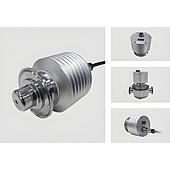
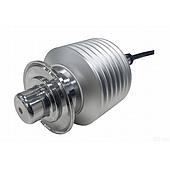
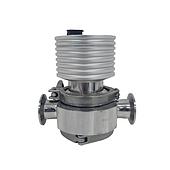
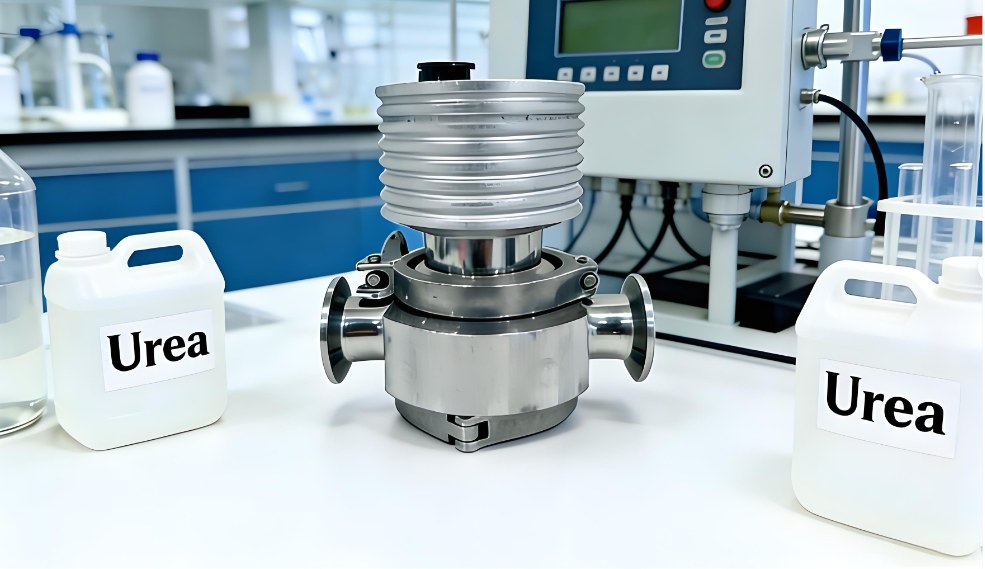
CHNSpec Inline Refractometers are presented as an option for inline liquid concentration detection in urea applications. Their stated installation flexibility allows use in pipeline monitoring and tank-based concentration control. The appropriate installation arrangement should still be selected according to the existing process layout and operating requirements.
Factors That Can Affect Urea Solution Monitoring
Urea concentration measurement can be influenced by both the liquid medium and changing process conditions. Bubbles, color, and turbidity are examples of medium characteristics that may affect detection. Pressure, flow, and temperature changes can also be relevant when interpreting process data.
The CHNSpec Inline Refractometer range is described as using technology intended to reduce interference associated with bubbles, color, turbidity, pressure, and flow. It also includes built-in temperature compensation to address temperature fluctuations in urea solutions. These functions are relevant where a process requires stable concentration-related output despite normal operating variation.
Before selecting or configuring an instrument, users should consider the specific urea solution, the installation point, expected operating conditions, and the data needed for control or review. This helps align the monitoring setup with the application rather than treating concentration measurement as an isolated task.
Installation, Calibration, and Maintenance Considerations
For plants seeking to add monitoring without extensive process changes, installation flexibility can be important. Inline refractometers can be used in pipelines and tanks, supporting monitoring during urea production or storage. A suitable mounting location should enable representative contact with the process liquid and fit the available equipment arrangement.
According to the supplied product information, the probes are calibrated before delivery and may be placed into service after complete delivery without complicated preliminary debugging. The instruments also support RI calibration and adjustment. This gives users a way to correct measurement errors according to their actual detection requirements.
Probe status self-diagnosis is another stated feature. By helping identify fault issues, self-diagnosis can support maintenance planning and reduce unnecessary interruptions to the production process. Maintenance teams can use this information alongside their established inspection and service procedures.
Data Handling and Signal Output Options
Inline urea concentration measurement is most useful when process data can be incorporated into the wider monitoring workflow. CHNSpec Inline Refractometers include a built-in concentration data processing system. Users can establish on-site data models and customize related parameters for their urea concentration testing needs.
The supplied information lists 4–20 mA and RS485 among the available signal output modes. These options can support connection to monitoring or control arrangements that use analog or serial communications. Optional accessories include split display controllers, multi-channel data acquisition control systems, and wireless remote data transmission modules.
Depending on the selected configuration, these options can support local viewing, remote monitoring, or centralized management of multiple measurement points. The required accessories and communication method should be confirmed against the needs of the individual installation.
Applications for Inline Refractometers in Urea Processes
Inline refractometers may be considered for urea wastewater treatment monitoring in environmental and chemical fields, as well as for concentration control of urea solutions in agricultural and industrial production. In each case, the central objective is to obtain usable concentration-related information at the point where the process requires attention.
The product information also states that the instruments do not require additional reagent consumables and use a low-power, long-service-life probe light source. Wetted parts are made from high-quality materials, while some models offer multiple corrosion-resistant material options. Material suitability should be evaluated for the actual urea solution and operating environment.
By combining suitable installation, temperature-aware measurement, calibration capability, and data integration, inline urea concentration measurement can become a structured part of process monitoring. A review of process conditions and required outputs is the key first step in choosing the right configuration.